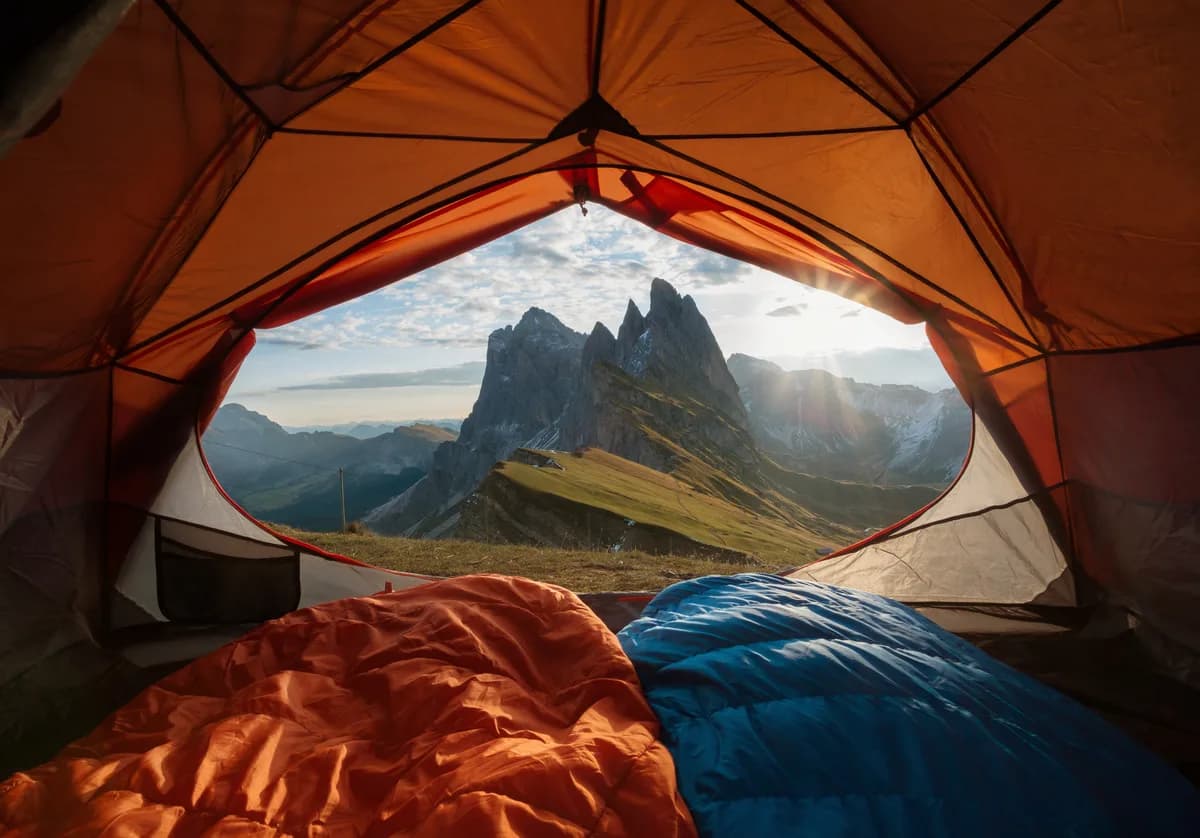
Shoulder season is the hardest weather to dress for. A bluebird trailhead at 9am can turn into graupel by the time you top out, and the temperature drops fast once the sun drops behind a ridge. The mistake most people make is dressing for the parking lot. Dress for the worst hour you'll see instead, then manage heat with layers you can shed and add without stopping.
The system that works is the one mountaineers have run for decades: a base layer to move moisture, a mid layer to trap heat, and a shell to block wind and water. What changes in the shoulder seasons is how aggressively you manage the three.
Base layer: synthetic or merino, never cotton
Your base layer has one job — move sweat off your skin before it chills you. Cotton holds water against your body and steals heat as it evaporates, which is how a warm hike turns into hypothermia on the descent. A lightweight synthetic or a 150–200gsm merino wool tee handles a hard climb without soaking through, and merino has the bonus of not stinking on multi-day trips.
Go thinner than you think. If your base layer is keeping you warm at the trailhead, it'll cook you twenty minutes into the climb.
Mid layer: the dial you actually adjust
The mid layer is where you regulate. A grid-fleece pullover breathes well on the move and dries fast; a light synthetic puffy buys you warmth at breaks and on the summit. On a variable day, carry both — you'll wear the fleece climbing and throw the puffy on the second you stop moving.
The rule on the move: be slightly cold when you start. You'll warm up within a few minutes, and you'll sweat far less than if you started comfortable.
Shell: your insurance policy
A waterproof-breathable hardshell like the Summit Hardshell is the layer you hope you don't need and are very glad to have when the sky opens. In shoulder season, pit zips matter more than almost any other feature — they let you keep the shell on for wind protection while dumping the heat you build on a steep climb. A helmet-compatible hood and a long drop hem keep the weather out where packs and harnesses pull a shell tight.
Pack the shell where you can reach it without taking the pack off. The whole point is to layer up before you're cold and wet, not after.
Putting it together
Start cold in a base and the shell. Climbing, shed the shell and vent. At the top, base plus puffy plus shell before you've stopped sweating. Descending, add the fleece back as your output drops. Manage the layers actively and you'll stay in the comfortable middle all day — which, in shoulder season, is the whole game.