Practice areas
Six kinds of cases, one careful review
We take medical malpractice and birth injury cases only. Each kind needs a different expert, and each page below explains what the law asks you to show.
Every case has to show four things
A bad outcome alone is not enough, and neither is a mistake that caused no harm. These four questions decide whether there is a case, whatever the kind of care.
- 1.Duty
- The provider was responsible for your care. This is usually the simplest part.
- 2.Breach
- The care fell below what a careful provider in the same field would have done. This needs an expert.
- 3.Causation
- That failure caused the harm, rather than the illness or a known risk. This is where most cases are won or lost.
- 4.Harm
- The injury led to real losses: medical costs, lost income, future care, pain, or a death.
-

01 / 06
Surgical errors
Wrong-site surgery, retained instruments, injuries that were missed afterward, and anesthesia mistakes.
Often looks like
- Surgery on the wrong side, the wrong site or the wrong patient
- A sponge, clamp or other item left inside the body
- An injury to a nearby organ, nerve or blood vessel that was not recognised and treated
-

02 / 06
Misdiagnosis and delayed diagnosis
A cancer, stroke, heart attack or infection that was missed, or a test result that no one followed up.
Often looks like
- A cancer missed on a scan, mammogram or biopsy
- A stroke or heart attack sent home from the emergency room
- Sepsis or a serious infection not recognised in time
-

03 / 06
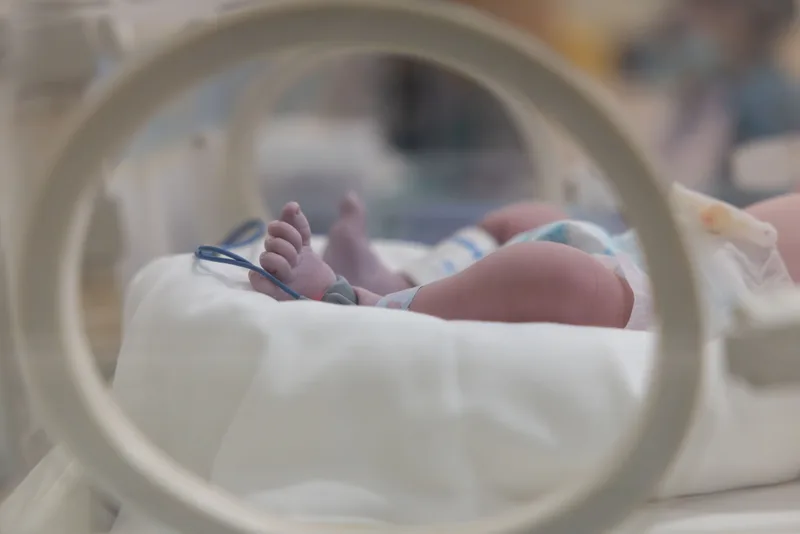
Birth injuries
Injuries to a baby or mother during pregnancy, labour and delivery, including brachial plexus and Erb's palsy.
Often looks like
- A C-section delayed after fetal monitoring showed distress
- Forceps or a vacuum used incorrectly or for too long
- Too much force during shoulder dystocia, injuring the brachial plexus (Erb's palsy)
-
04 / 06
Cerebral palsy and HIE
Brain injury from a lack of oxygen around birth, and the cerebral palsy that can follow.
Often looks like
- Signs of fetal distress on the monitor that were not acted on
- A delayed emergency C-section
- Umbilical cord problems or uterine rupture not managed in time
-

05 / 06
Medication errors
The wrong drug or dose, a missed interaction or allergy, or a pharmacy that filled the wrong medicine.
Often looks like
- The wrong drug, or the wrong dose, prescribed
- A dangerous interaction or a known allergy missed
- A pharmacy that filled the wrong medicine or strength
-
06 / 06
Hospital and nursing negligence
Patients not monitored, falls, pressure injuries, missed warning signs and unsafe staffing.
Often looks like
- A patient not monitored after surgery or sedation
- A fall when the patient was known to be at risk
- Pressure injuries (bedsores) that developed and worsened
Not sure which of these fits?
Many cases cross more than one: a missed infection after surgery, or a medication given wrongly in a hospital. Choose "not sure" on the evaluation and tell us what happened in your own words. Sorting it out is our job.
Tell us what happened. We will tell you the truth about it.
A free, confidential review by our nurse and an independent physician. If we do not believe it was malpractice, we will say so and explain why.