Caring for solid oak
Solid oak rewards a little attention and forgives almost everything. A simple routine to keep yours looking better with age.
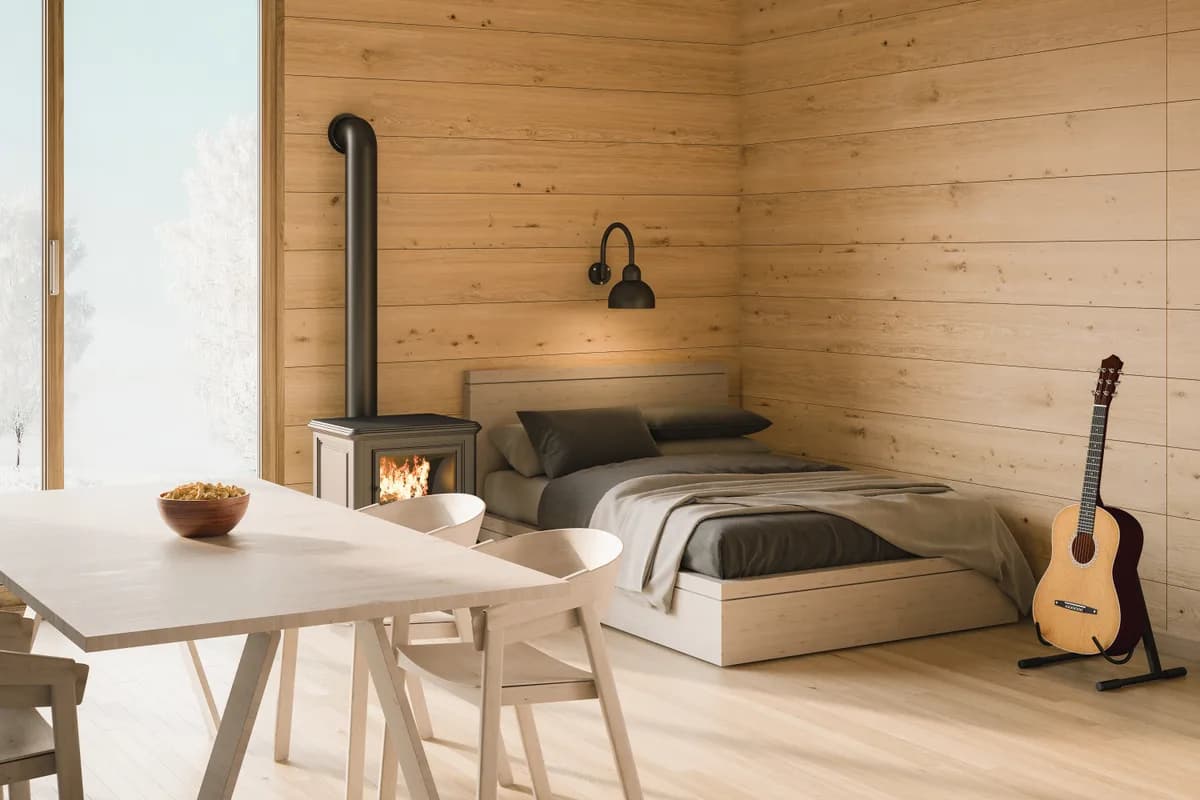
One of the quiet pleasures of solid wood is that it gets better, not worse, with use. Unlike a veneer wrapped over particleboard — which can only ever degrade — a solid oak surface can be cleaned, refreshed, and even repaired by hand for the life of the piece. The catch is that it asks for a little understanding in return. Here is everything you actually need to know.
Everyday cleaning
For daily cleaning, less is more. A soft, dry or barely-damp cloth wiped along the grain handles most of it. Skip the all-purpose sprays: most contain solvents or silicones that build up on an oiled finish and can leave a cloudy film over time. If you need more cleaning power, a drop of pH-neutral soap in lukewarm water on a wrung-out cloth is plenty — then dry the surface straight away so water never sits.
- Wipe spills promptly — oak is forgiving, but standing water is the one thing it dislikes.
- Use coasters and trivets under anything hot or wet; heat marks are harder to lift than scratches.
- Avoid abrasive pads and bleach-based cleaners entirely.
Refreshing the oil finish
We finish our oak with hardwax oil rather than lacquer, because oil keeps the surface open, natural to the touch, and — crucially — repairable. Once or twice a year, or whenever the wood starts to look dry or pale, give it a refresh: clean the surface, let it dry fully, then apply a thin coat of clear hardwax oil with a lint-free cloth, working along the grain. Wipe off any excess after a few minutes and leave it to cure overnight. The colour will deepen back to its rich tone instantly.
Dealing with marks
This is where solid wood shines. A water ring or a shallow scratch that would be permanent on veneer can be sanded out of solid oak in minutes. Use a fine sanding pad (around 320 grit), work gently along the grain over the affected area, wipe clean, and re-oil that spot to blend it. Deeper dents will often lift if you lay a damp cloth over them and apply a warm iron briefly — the steam swells the compressed fibres back up.
Living with the wood
Oak moves a little with the seasons, drinking in moisture in summer and releasing it in winter; a faint seasonal gap at a join is normal and will close again. Keep pieces out of prolonged direct sun, which can bleach the tone unevenly, and away from radiators that dry the wood too fast. Do that, and a solid oak table will not just survive decades of meals — it will quietly look better for every one of them.