Dark roasts cover up bean character. Here's the cupping data behind why we hold our defaults at city and city-plus.
It's the question we get most: why don't you offer a dark roast option on every bag? The short answer is that we spent two years cupping our own coffee at four roast levels and the data was unambiguous. The longer answer is worth a few hundred words, because it explains how we think about the whole catalog.
What roasting actually does
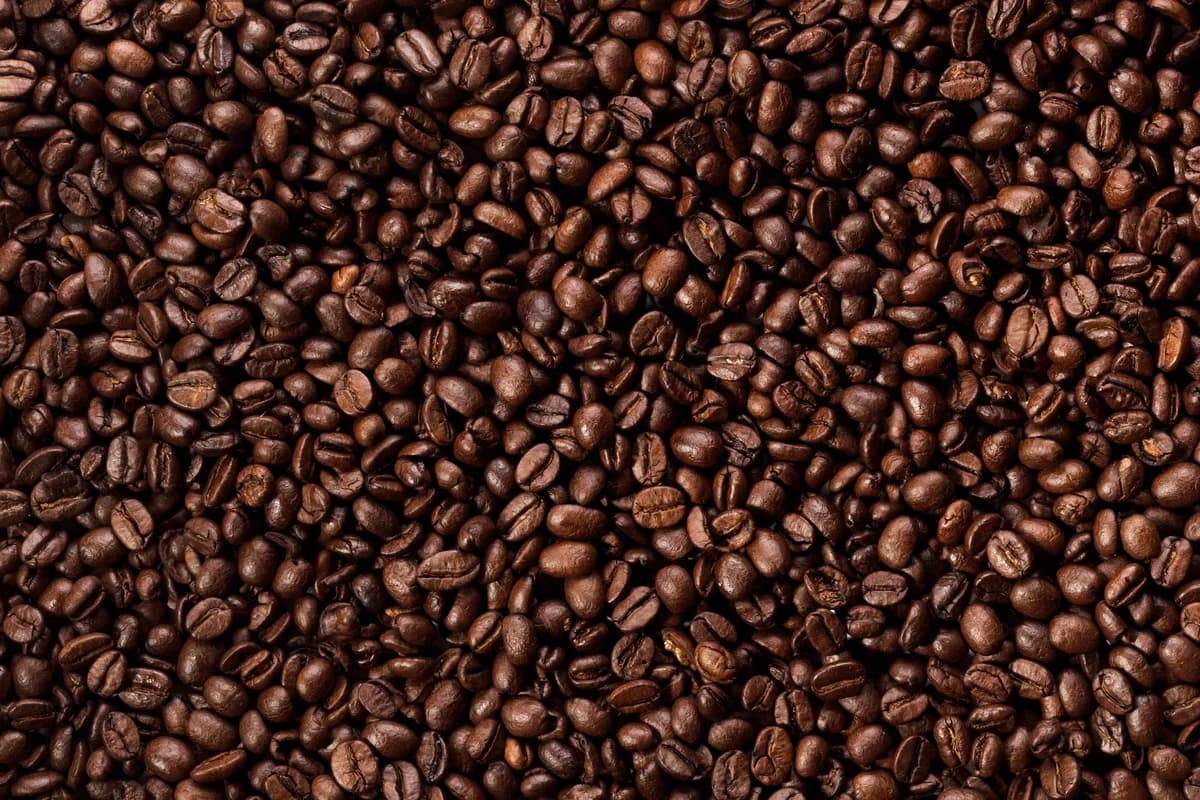
Roast development is a trade. The longer you push a bean past first crack, the more you trade origin character — the florals, the fruit, the specific sweetness a farm worked years to develop — for generic roast character: the toast, the smoke, the bittersweet caramelisation that tastes the same whether the bean came from Ethiopia or Brazil. Past a certain point you're tasting the roast, not the coffee.
For a washed Yirgacheffe or a Geisha, that's a tragedy. The whole reason that coffee costs what it does is the delicate aromatics that a dark roast incinerates. So our defaults sit at city and city-plus: developed enough to be sweet and free of grassy under-roast notes, light enough to keep the farm in the cup.
The cupping data
We ran a blind triangulation panel — six tasters, the same three coffees each roasted light, medium, city-plus, and full-city-plus, scored on the SCA form. A few things held across every origin:
- Aroma and flavour scores peaked at city for the bright, washed coffees and dropped sharply past city-plus.
- Sweetness scores held up well through city-plus, then fell off as roast bitterness crept in.
- Body increased with roast level — the one thing dark roasting reliably improves — which is exactly why our espresso and Sumatra bags get the city-plus treatment.
- Tasters consistently confused the two darkest roasts across different origins. They literally could not tell the coffees apart.
“If a panel of trained tasters can't tell your Kenyan from your Brazilian once it's roasted dark, you've paid a direct-trade premium for a flavour you erased.”
Spring cupping notes
The exceptions
We're not roast-level purists. Our Fazenda da Lagoa espresso and Gayo Highlands Sumatra are roasted noticeably darker than the rest of the menu, because body and crema are the point of those bags and the origin character holds up. The rule isn't 'light is better.' The rule is 'roast to the coffee.' Most specialty coffee just happens to be at its best lighter than the supermarket taught us to expect.
If you genuinely love a darker cup, that's completely valid — taste is personal. Reply to your first shipment's email and we'll point you at the bags that take a darker roast gracefully, or talk through a custom request.