Auto insurance
Auto coverage that matches how you actually drive
Ohio requires 25/50/25 liability minimums. Almost nobody should stop there: one ER visit outruns a $25,000 limit fast. We quote real limits across our carriers and show you what each step up costs before you decide.
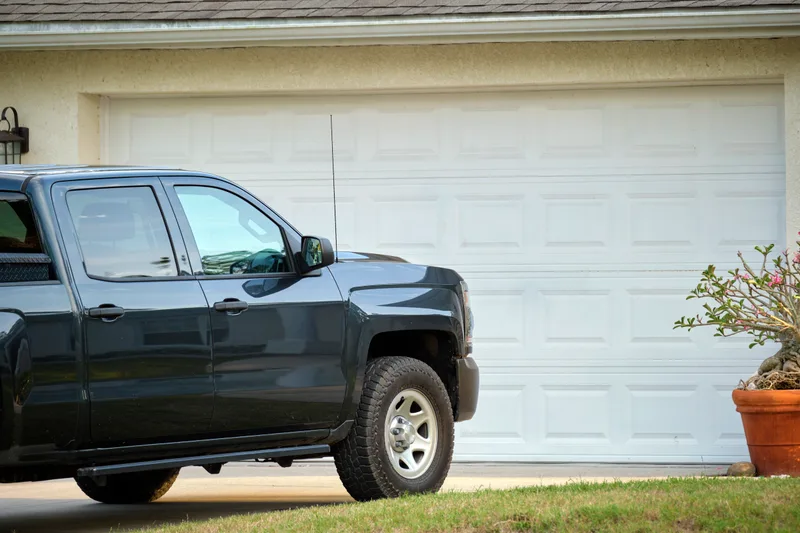
What auto insurance covers, and what it doesn't
What it covers
- Liability (bodily injury & property damage) Pays people you hurt and property you damage when an accident is your fault. This is the part that protects your savings, not your car.
- Collision Repairs your own car after a crash, whoever caused it, minus your deductible.
- Comprehensive The not-a-crash stuff: hail, deer, theft, a branch through the windshield.
- Uninsured / underinsured motorist Stands in when the other driver has no insurance or not enough. Roughly 1 in 8 drivers nationally is uninsured: this one earns its keep.
- Medical payments Small, fast coverage for injuries to you and your passengers regardless of fault.
What it typically doesn't
- Wear and tear or mechanical breakdown Brakes, transmissions, and rust are maintenance, not insurance: no policy pays for them.
- Rideshare driving (without an endorsement) The moment you flip the app on, personal policies step back. If you drive for a platform, tell us: the endorsement is cheap; the gap isn't.
- Intentional damage or racing Exactly what it sounds like.
Worth asking about
- Roadside assistance. Tows, jump starts, lockouts.
- Rental reimbursement. A rental car while yours is in the shop after a covered claim.
- Gap coverage. If the car is totalled while you owe more than it's worth, this pays the difference. Worth it on new cars with small down payments.
State minimums keep you legal. They don't keep you solvent. The difference between 25/50 and 100/300 limits is usually a few dollars a month: we'll show you the real number for your household.
The premium, honestly
What actually moves the price
No secret handshake here: these are the levers underwriters actually pull, and an honest note about which ones are yours to move.
| Factor | Why it matters | Whose lever is it? |
|---|---|---|
| Your driving record | Tickets and at-fault accidents follow you 3–5 years. It's the single biggest lever on price. | You control this |
| Deductibles you choose | Raising collision/comprehensive deductibles lowers premium. Pick the number you could actually pay on a bad Tuesday. | You control this |
| The vehicle itself | Repair cost, theft rate, and safety ratings all price in. A common sedan is cheaper to insure than a rare trim with one supplier for bumpers. | You control this |
| Annual mileage & commute | More miles, more exposure. Working from home is worth mentioning at renewal. | Partly in your hands |
| Age and experience | Young and newly licensed drivers cost more to insure. Time fixes this one; good-student and training discounts soften it. | Not up to you |
| Where the car sleeps | ZIP-code claim history (theft, hail, deer, traffic density) is baked into every rate. | Not up to you |
Sample site: factors are real, but no premium amounts appear here because honest pricing needs your actual details: that's the ten-minute conversation, not the webpage.
Next step
Not sure what you're missing? Start there.
The five-minute coverage checkup finds the gaps in plain English: no premium guessing, no obligation, nothing stored. Then, if you want numbers, we shop your details across our carriers for real.