What we do
Design. Build. Maintain.
Most landscapes go wrong in the hand-offs: designer to contractor, contractor to maintenance crew. We removed the hand-offs. One studio draws the garden, builds it and keeps it beautiful, so nothing gets lost along the way.
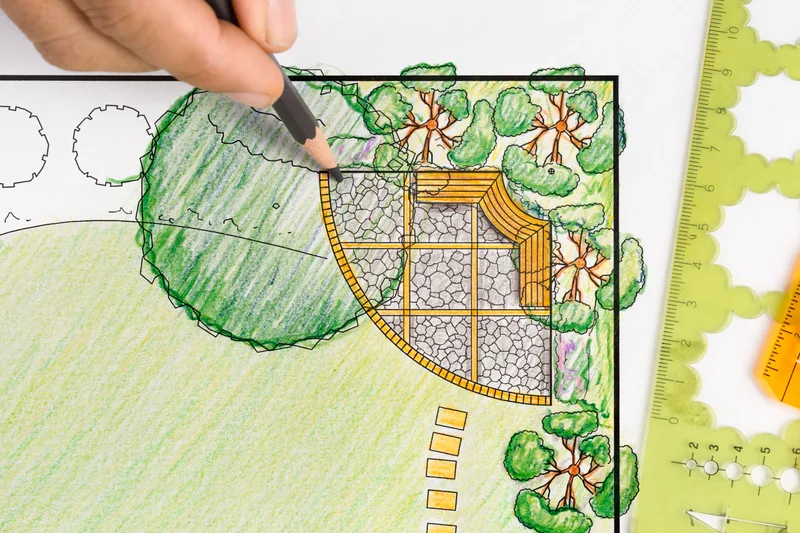
01 · Design
Master plans worth building
Every project begins as a drawing. Our studio draws the master plan, the planting plans and the construction details in-house. So what we draw is what our crews can actually build, and it is priced honestly before a shovel moves.
What's included
- Site walk-through & survey review
- Concept design with two directions
- Scaled master plan & 3D study views
- Planting plans with full plant schedules
- Hardscape construction details
- Fixed-price build proposal from the plan
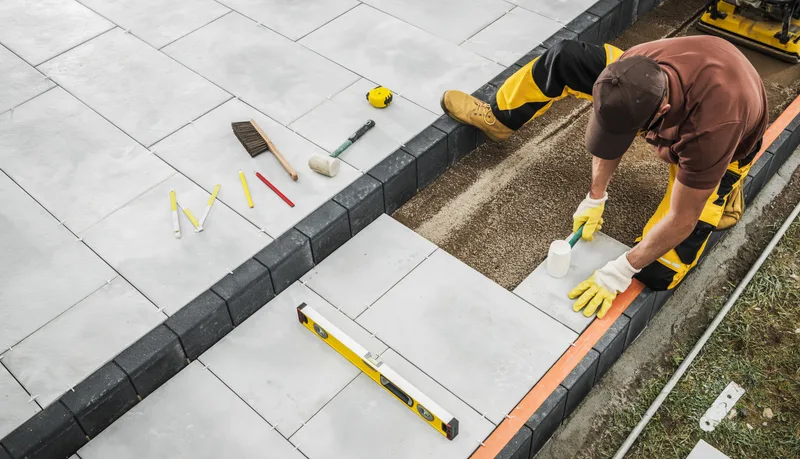
02 · Build
Our own crews, our own masons
We don't hand your project to the lowest bidder. The people who build Verdant gardens are Verdant people. Masonry, carpentry, planting and lighting all run under one project manager and one schedule you can hold us to.
What's included
- Dedicated project manager & weekly site reports
- In-house masonry: setts, walls, steps, terraces
- Garden carpentry: screens, pergolas, studios
- Grading, drainage & excavation
- Tree moving and specimen planting
- Low-voltage landscape lighting

03 · Maintain
Gardenkeeping, not mow‑and‑blow
A designed garden is alive, and it changes every season. Our gardenkeeping team are horticulturists, not crews with trimmers. They keep the design on track by editing, pruning, feeding and renewing on a calendar written for your garden.
What's included
- Seasonal care calendar written per garden
- Fine pruning & hedge architecture
- Border editing, division & renewal planting
- Spring start-up & standing-winter cut-downs
- Lighting & irrigation seasonal checks
- Priority access to our build crews for additions
What projects cost, plainly
Vagueness wastes your time and ours. These are the bands our built work really lands in, and every case study in the portfolio states its band.
Under $75,000
A focused transformation: one garden room done properly.
$75,000 to $150,000
A courtyard, arrival or back garden, designed and built end-to-end.
$150,000 to $300,000
Most full-property design-builds land in this band.
$300,000 +
Estate-scale work: arrival courts, terraces, structures, mature trees.
Design fees run separately from the build and are quoted at the free walk-through. The FAQ explains why.
Begin here
Walk your property with a designer, for free
Ninety unhurried minutes with a principal designer. Honest budget bands, no obligation, and a written summary either way.