The means test
The means test, one step at a time
It sounds scary. It is mostly arithmetic. The means test decides whether Chapter 7 is open to you, based on your recent income and your household size.
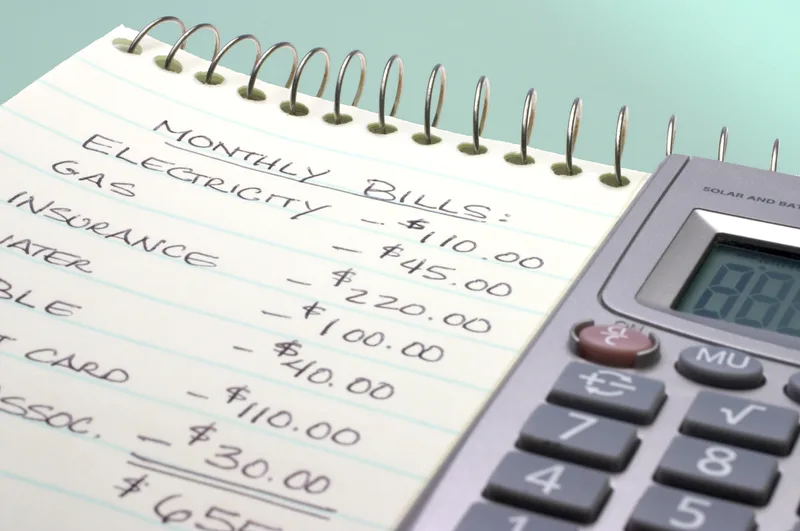
Two parts, and most people only need the first
-
01
Average your income
Add up your household's gross income for the six full calendar months before filing, then divide by six. Multiply by 12 for a yearly figure.
-
02
Compare it to the median
That yearly figure is compared with the Wisconsin median income for a household your size. At or below it? Chapter 7 is generally open to you.
-
03
Above it? Part two
The second part subtracts allowed living expenses and certain debt payments. If little is left, Chapter 7 may still be open. If more is left, Chapter 13 is usually the path.
A general description. The real calculation uses official forms, expense standards and median figures that are updated from time to time, and we run it with you.
Tool
Six-month income averager
Enter your household's gross income (before taxes) for each of the last six full months. Leave a month blank if there was no income. Nothing you type leaves this page.
Your result
Fill in the months and press "Work it out". Your numbers stay in your browser.
- Average monthly income
- Times 12, for the year
- Household size
Usually counted as income
- Wages, salary, tips and overtime, before taxes
- Business or self-employment income, after business expenses
- Rent you receive, pensions and unemployment pay
- Regular help with household bills from family or a partner
Usually left out
- Social Security benefits
- Some veterans' and victims' benefits
- One-time gifts that are not regular support
Timing matters: a recent job loss or a slow season can lower the six-month average, so sometimes waiting a month or two changes the answer.
What you keep
Exemptions: what the law protects
Exemptions are the reason most people keep their things. Wisconsin lets you choose either the state set of exemptions or the federal set, but not a mix of both. We compare the two for your situation.
-
Home equity
A set amount of the equity in the home you live in. Equity is what the home is worth minus what you owe on it.
-
A vehicle
A set amount of value in a car or truck. A loan on the vehicle lowers the value that needs protecting.
-
Retirement savings
Most retirement accounts, like a 401(k), 403(b) or IRA, are fully or largely protected.
-
Household things
Furniture, clothing, appliances and the everyday things a household uses, up to set limits.
-
Tools for work
Tools, books and equipment you need to do your job, up to a limit.
-
A wildcard
Some exemption sets include a flexible amount you can apply to almost any property.
Exemption amounts are set by law, change over time, and depend on which set you choose. This page describes them in general terms only.
Related questions
What is the means test?
It is how the law decides whether you can use Chapter 7. It first compares your average income from the last six months to the Wisconsin median for your household size. If you are above it, a second step looks at allowed expenses.
What is the difference between Chapter 7 and Chapter 13?
Chapter 7 is a fresh start that usually takes about four months and clears many unsecured debts. Chapter 13 is a three to five year repayment plan that can help you catch up on a house or car and keep property.
Free consultation
Bring your numbers. We'll run the real test with you, free.
A 45-minute consultation in our office, by phone or by video. You'll leave knowing your options, the likely cost and the next step, even if that step is not bankruptcy.