Only when needed
Sedation for kids, only when it helps
Most kids never need more than a calm room and a patient team. When they do, we explain every option and step.
What to know
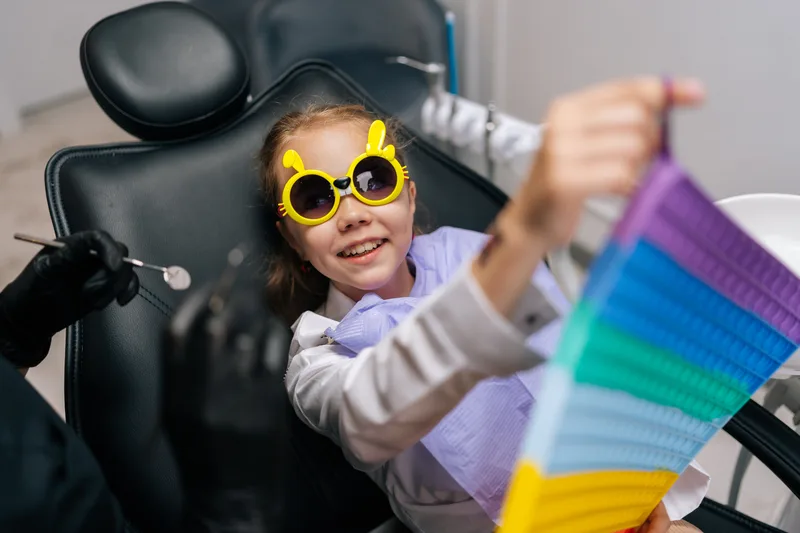
Sedation is a tool, not a default. We start with comfort: tell-show-do, sunglasses for the light, a show on the ceiling and breaks when your child asks. When a child is very anxious, very young with a lot of treatment, or has medical or sensory needs, we may talk about sedation. Every option has benefits and risks, and we go through them with you in plain words before you decide.
A consult comes first. If sedation might help your child, we book a separate talk-it-through visit with no treatment that day. You leave with the options, the risks and the costs in writing.
A good fit for
- Children with strong dental fear
- Very young children who need several fillings
- Kids with sensory, medical or developmental needs
- Longer visits where sitting still is hard
How we keep sedation safe
-
Health review first
We go over your child's health history, medicines, allergies and breathing. Some children need a note from their doctor first.
-
Written instructions
You get clear eating and drinking rules for before the visit, in writing and by text the day before.
-
Monitoring the whole time
A trained team member watches your child's breathing and oxygen level throughout, with emergency equipment in the room.
-
Recovery until ready
Your child rests with you until they are awake enough to go home. We call that evening to check in.
Questions worth asking any dentist
- Which option do you suggest, and why for my child?
- Who monitors my child, and what are they watching?
- What are the risks, and what happens if something goes wrong?
- Is there a way to do this without sedation, over more visits?
The comfort ladder
We start at the bottom and only move up when it truly helps your child. You can stop at any step.
-
Step 1
Comfort and coaching
Tell-show-do, a parent close by, short visits, music or a show, and hand signals for breaks. Most kids stay here.
-
Step 2
Laughing gas (nitrous oxide)
Breathed through a small nose mask. It helps kids feel relaxed and wears off within minutes after the mask comes off.
-
Step 3
Oral sedation
A medicine taken by mouth for selected children. Your child stays awake but drowsy. Only after a health review, with monitoring throughout.
-
Step 4
General anesthesia
For some children with a lot of treatment or special health needs. Done at a partner surgery center with a licensed anesthesia provider.
Every option carries some risk, and not every option suits every child. We'll explain the specific benefits and risks for your child before you decide, and you can always choose more visits with coaching instead.
What it usually costs
These are typical self-pay ranges at our office. With insurance or Kite Club, your share is usually lower. The exact number comes in writing before any treatment.
Insurance and Kite ClubSedation for kids
- Laughing gas, per visit
- $60 to $110
- Oral sedation, per visit
- $250 to $450
- General anesthesia (surgery center and anesthesia fees)
- Quoted per case
Coverage for sedation varies a lot between plans. We check your benefits and send a written estimate before you decide. Surgery center and anesthesia fees are billed by those providers.
Parent questions
Is sedation safe for children?
Every medicine carries some risk. We lower it with a careful health review, clear instructions, the lightest option that works and continuous monitoring. We'll talk through the specific risks for your child before you decide.
Can I be with my child?
Yes for comfort visits and laughing gas. For general anesthesia at the surgery center, you stay until your child falls asleep and are there when they wake up.
Do you push sedation?
No. Many parents who ask about it end up not needing it. We'll tell you if we think more visits with coaching is the better path.
More answers on our parent FAQ.
More care for your child
Talk it through first
A consult visit has no treatment that day. You leave with the options, the risks and the costs in writing, and time to decide.