June 12, 2026 · 6 min read · By Dr. Elena Marsh, MD
What your blood pressure numbers are actually telling you
Two numbers, endless confusion. A plain-language guide to reading your own blood pressure — and measuring it so the numbers are worth trusting.
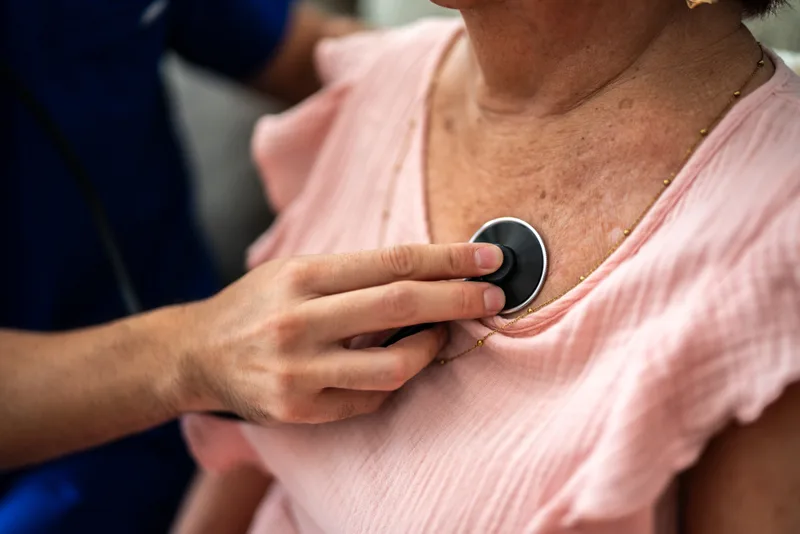
Every blood-pressure reading is two numbers. The first — systolic — is the pressure in your arteries while the heart is squeezing. The second — diastolic — is the pressure while the heart relaxes and refills between beats. A reading of 124/78 means the pressure peaks at 124 units and rests at 78.
Both numbers matter, and current guidelines describe readings below 120/80 as the normal range for adults. But a single reading matters far less than people think — and that's where most home-monitoring anxiety comes from.
Blood pressure is a weather pattern, not a fixed trait
Your pressure changes minute to minute: it climbs when you rush up stairs, argue, or drink a strong coffee, and it should fall while you sleep. Catching one high reading after a stressful meeting tells you about the meeting, not your arteries. What matters medically is the pattern across many readings, taken properly, over days.
This is also why clinicians increasingly confirm a diagnosis of hypertension with out-of-office measurements — a week of structured home readings, or a 24-hour wearable monitor — rather than a single office visit. Some people run high only at the clinic; others run high only everywhere else. Both patterns are common, and they lead to different decisions.
How to take a reading worth acting on
Technique moves numbers more than most people believe. Use a validated upper-arm cuff in the right size. Sit quietly for five minutes first — back supported, feet on the floor, arm resting at heart level. No caffeine, exercise, or smoking in the half hour before. Take two readings a minute apart, morning and evening, and write both down (or let the cuff's app do it).
Do that for a week, and you'll hand your clinician something genuinely useful: an average across dozens of good measurements, instead of a scattering of anxious spot-checks.
When to bring the numbers to a professional
Talk with your primary-care clinician if your home average is drifting above the normal range, if readings are trending upward year over year, or if your numbers swing widely for no clear reason. And treat one situation as an emergency rather than a data point: a reading above 180/120 accompanied by chest pain, severe headache, vision change, weakness, or confusion means calling 911 — not re-checking the cuff.
Educational reading only — nothing here is medical advice or a substitute for your own clinician, who knows your history. Emergencies are always a 911 call, never an article.