Diagnostics & testing
Every test under one roof — and one reader
Cardiac testing here happens in the office where you're seen, performed by the team you've met, and read by the physician who knows your story. Below: what each test is, what it can show, and how to prepare.
A principle worth stating plainly: no test is ordered unless its result would change your plan. Your visit instructions always override the general prep notes below.
-
Consultation & 12-lead ECG
In office 60 min (new patients)
Every new evaluation starts with a full hour: your history in your own words, a focused examination, and a 12-lead electrocardiogram recorded on the spot.
- What it shows
- The heart's rhythm and electrical pattern at rest — and, together with the consultation, which further testing (if any) is actually worth doing.
- How to prepare
- Bring your medication list, prior test results if you have them, and any home blood-pressure or smartwatch readings.
-
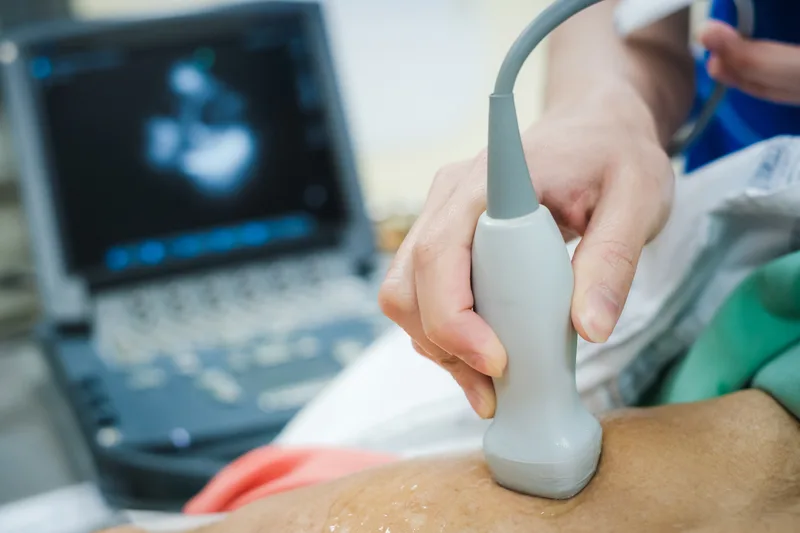
Echocardiogram
In office · performed by our sonographer, read by Dr. Marsh About 40 min
An ultrasound study of the heart — entirely painless, no radiation. Warm gel, a probe on the chest, and a sequence of moving images of the heart at work.
- What it shows
- Pumping strength, chamber sizes, wall thickness, and how each valve opens and closes — the structural picture behind symptoms like breathlessness, swelling, or a murmur.
- How to prepare
- None. Eat, drink, and take medications as usual; wear a two-piece outfit for comfort.
-
Exercise stress testing
In office · treadmill, nurse-monitored About 60 min including recovery
A graded walk on a treadmill while your ECG, heart rate, and blood pressure are continuously monitored — sometimes paired with echo imaging immediately before and after (a stress echocardiogram).
- What it shows
- How the heart behaves under real demand: exercise capacity, blood-pressure response, exertional rhythm changes, and signs that the heart muscle isn't getting enough blood flow.
- How to prepare
- Wear walking shoes and comfortable clothes. You'll receive written instructions with your booking — typically no heavy meal or caffeine for a few hours beforehand, and guidance on which medications to hold. Never stop a medication unless we've told you to.
-
Holter & extended rhythm monitoring
Fitted in office · worn at home 24 hours to 14 days
A small wearable recorder — a classic Holter for a day or two, or an adhesive patch for up to two weeks — that captures every heartbeat while you live normally. You keep a simple diary of symptoms.
- What it shows
- Whether your palpitations, dizzy spells, or pauses line up with an actual rhythm disturbance — and if so, exactly which one.
- How to prepare
- Shower before your fitting (the sensors need dry skin) and skip lotions on the chest that day. Most monitors are shower-friendly; we'll show you how yours works.
-
24-hour blood-pressure monitoring
Fitted in office · worn at home 24 hours
A discreet automatic cuff worn for a full day and night, sampling your blood pressure at regular intervals through work, meals, and sleep.
- What it shows
- Your true pressure profile — including the white-coat effect, masked hypertension, and whether pressure dips at night the way it should. It's the reference standard before committing to (or escalating) treatment.
- How to prepare
- Wear a loose-sleeved top. Carry on with a normal day — that's the point — but pause and keep your arm still when you feel the cuff inflate.
-
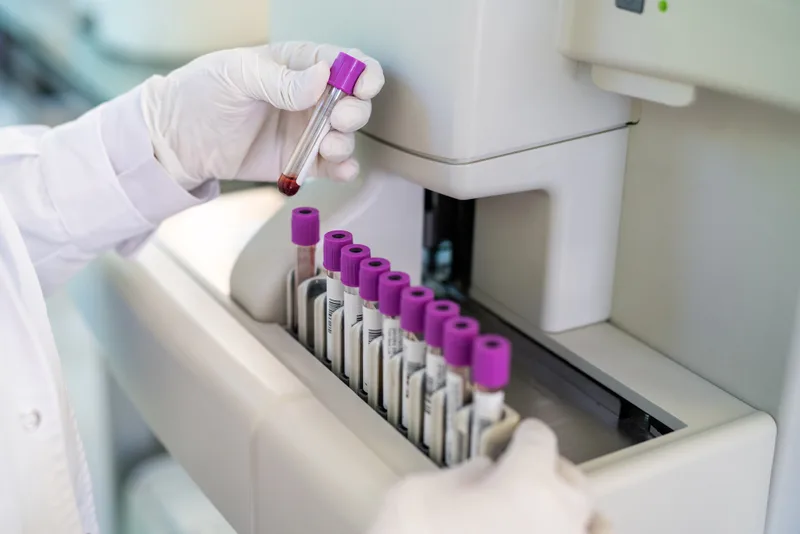
Cardiovascular lab panel
Sample drawn in office · partner laboratory 10 min draw · results within days
Targeted blood work chosen for your situation: cholesterol fractions, blood sugar, kidney and thyroid function, and specialised markers such as lipoprotein(a) or heart-strain peptides when indicated.
- What it shows
- The metabolic backdrop of your cardiovascular risk — and the safety data that guides medication choices and dosing.
- How to prepare
- Most panels no longer require fasting; we'll tell you if yours does. Drink water beforehand — it genuinely makes the draw easier.
-

Telehealth follow-up
Video visit from home 20 min
Established patients can take many follow-ups — results reviews, medication adjustments, blood-pressure check-ins — by secure video with Dr. Marsh.
- What it shows
- Best suited to reviewing numbers and plans: home readings, monitor reports, and lab results. Anything that needs hands-on examination gets an office slot instead.
- How to prepare
- Have your home readings and medication bottles within reach; join from somewhere you can speak freely.
Booked for a test already?
Your confirmation includes personalised prep instructions — they take precedence over this page. The patient-resources page collects them all, alongside what to bring to any visit.
Lakeshore Cardiology
Symptoms first, tests second
The right test depends on the question. Start with the 2-minute heart check, or request a consultation and let the evaluation choose the tests — not the other way round.