WH / The firm
Fifteen years, one rule
Two trial lawyers left a global firm in 2011 with one rule they could not keep there: the lawyers a client meets are the lawyers who try the case. Fifteen years later the rule is unchanged. The firm is just bigger.
WH / 01 · The story
Small on purpose, senior by design
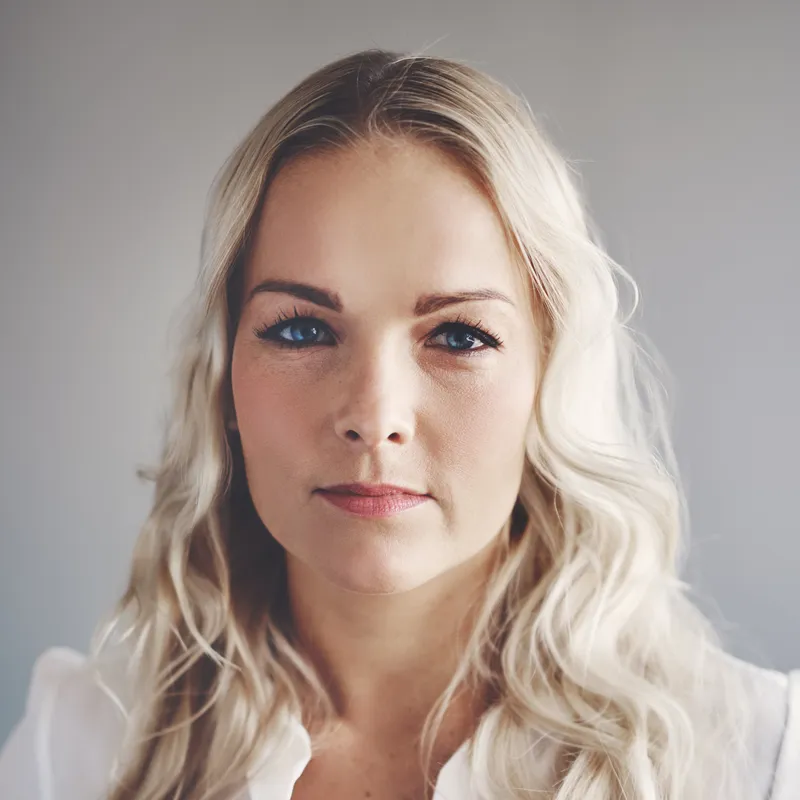
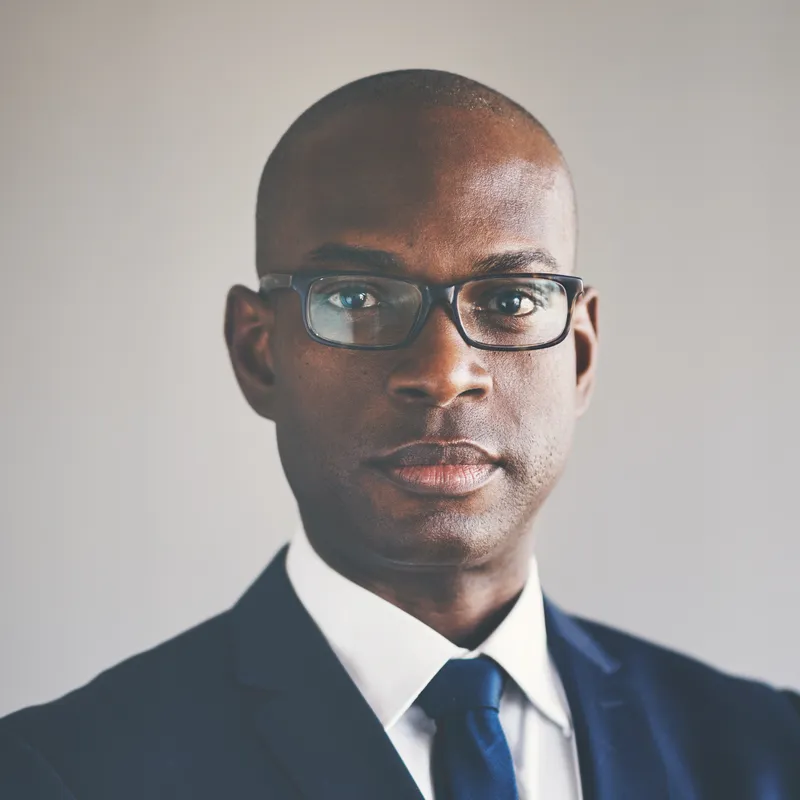
Marcus Westbrook spent seventeen years running a commercial trial group at a large firm. Eleanor Hayes spent seven as a federal prosecutor in Manhattan. They kept noticing the same thing from opposite sides of the courtroom: the strongest cases were staffed by small, senior teams who knew every document, and the weakest were staffed by pyramids.
Westbrook & Hayes opened with four lawyers and a single office. It still has a single office. It now has twenty-two lawyers, four practices, and a partner-to-associate ratio of one to one on every matter. Growth has been slow on purpose, because each new lawyer has to be someone the partners would put in front of a jury.

- lawyers, all in one New York office
- 22 lawyers, all in one New York office
- practices, and only those four
- 4 practices, and only those four
- partner-to-associate ratio on every matter
- 1:1 partner-to-associate ratio on every matter
- years since the founding rule was written
- 15 years since the founding rule was written
WH / 02 · The record
How the firm grew
-
2011
Four lawyers, one rule
Founded by Marcus Westbrook and Eleanor Hayes to try commercial cases with partner-led teams of four or fewer.
-
2014
The deal-disputes practice
Transaction counsel start sending busted deals and earn-out fights. The M&A and Transaction Disputes practice is formed.
-
2017
Restructuring, unconflicted
With no lender clients to protect, the firm opens a creditor-side restructuring practice that can sue agent banks and sponsors.
-
2020
An appellate desk
Appellate and critical-motions work becomes its own desk, embedded with trial teams from the first complaint.
-
2024
One Whitehall Landing
The firm moves to the 48th floor in Lower Manhattan, with a war room built for trial preparation.
-
2026
Twenty-two lawyers
Still one office, still one standard, still a one-to-one partner ratio on every matter.
WH / 03 · Values
Seven operating principles
Written down in the first month, read aloud to every new lawyer, and still the test for which matters we take and how we staff them.
-
§1
Staff every matter to be tried.
The other side values a case by asking whether we will really walk into the courtroom. We prepare from week one as if a jury will hear it.
-
§2
The partner you meet does the work.
Your engagement letter names the lawyers on your matter. They are the ones who take the depositions and stand up in court.
-
§3
Tell clients the truth early.
That includes when the answer is to settle, to wait, or to hire someone else. A candid read is worth more than a confident one.
-
§4
Price the work before doing it.
Every phase gets a written budget or a fixed price before it starts. Surprises belong in cross-examination, not on invoices.
-
§5
Take no conflicts we would have to manage.
We keep no transactional client base whose interests could stop us from suing a bank, a sponsor, or a market leader.
-
§6
Credit follows work.
The lawyer who wrote the argument argues it when the court allows. Associates are on their feet, not in a back room.
-
§7
Recognition is earned, never bought.
If the award costs money to display, it isn't an award. It's an ad.
WH / 04 · The team
The partners who lead it



WH / Consultation
Test the rule on your matter.
Bring us the dispute. The partner who would lead it will take the first call and tell you plainly how we would staff it, what it might cost, and whether you need us at all.
Or call (555) 014-7700. Conflicts checked within one business day.