8-minute read · Updated May 2026
How to pack for your first overnight
The weight budget, the Big Four, and the packing order that keeps the heavy stuff off your shoulders.
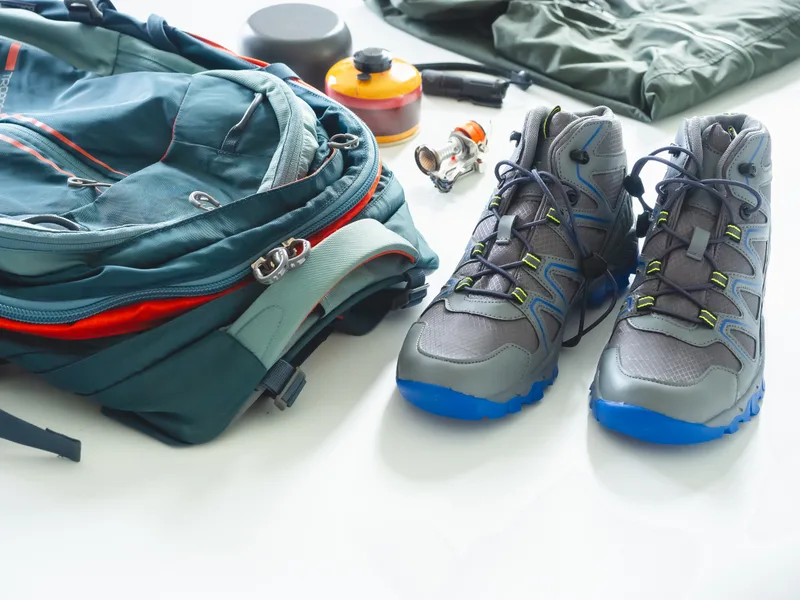
Your first overnight is won or lost at the kitchen table the night before, not on the trail. The single most common mistake we see at the shop is not a missing item. It's twelve kilograms of items that each seemed small on their own.
Here is the system our staff actually use: budget the weight first, spend it on the Big Four, then pack in the order that keeps the load riding on your hips instead of hanging off your shoulders.
Start with a weight budget, not a gear list
A comfortable overnight base weight (everything except food, water and fuel) is 8 to 11 kg for most people. Add roughly 800 g of food per day and a litre of water (1 kg) per stretch between refills, and a first overnight should leave the trailhead at 12 to 14 kg total.
Weigh your loaded pack on a bathroom scale before you commit. If it's over 15 kg for one night, something in there is furniture.
Spend the budget on the Big Four
Shelter, sleep system, sleeping pad and pack make up more than half your base weight, which means they're where good gear pays off fastest.
- Shelter: a freestanding two-person tent around 2 kg splits to 1 kg each between partners. Split it: one carries the body, one carries the fly and poles.
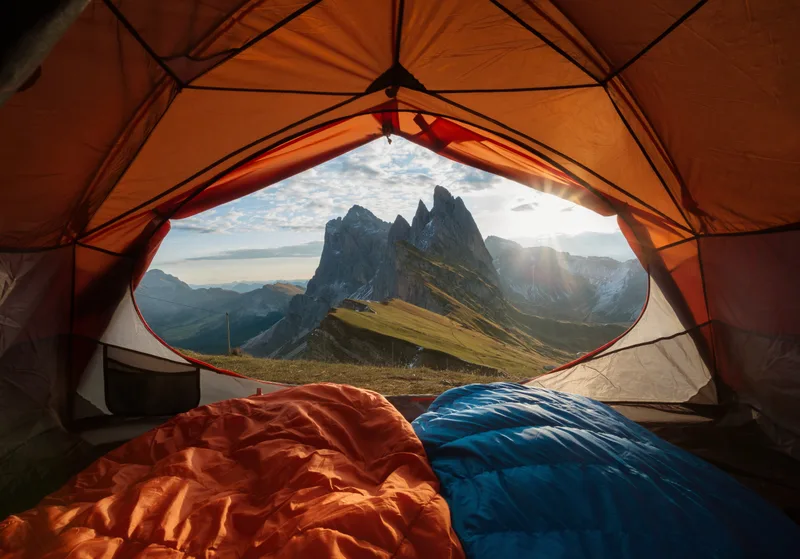
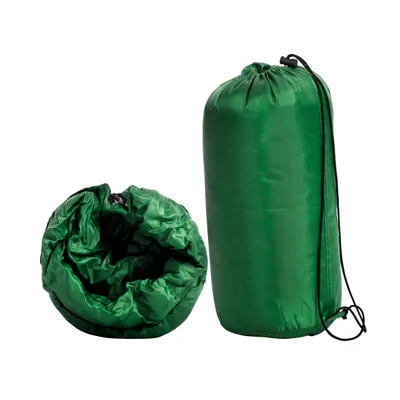
- Sleeping bag: match the limit rating to the forecast low minus five degrees. Mountain valleys are cold sinks; the forecast is for the town.
- Pad: insulation matters as much as cushioning. R-3 or higher for anything past midsummer.
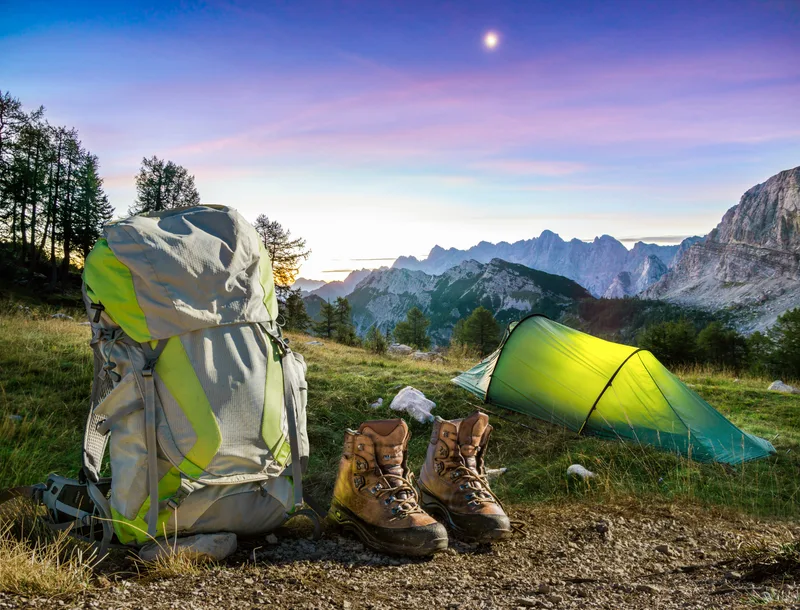
- Pack: 50 to 60 litres carries a first-timer's kit without inviting you to fill the extra space.
Pack in three zones
Where weight sits in the pack changes how it carries more than how much weight there is.
- Bottom zone: sleeping bag and camp clothes. Light, squashy, nothing you need before camp.
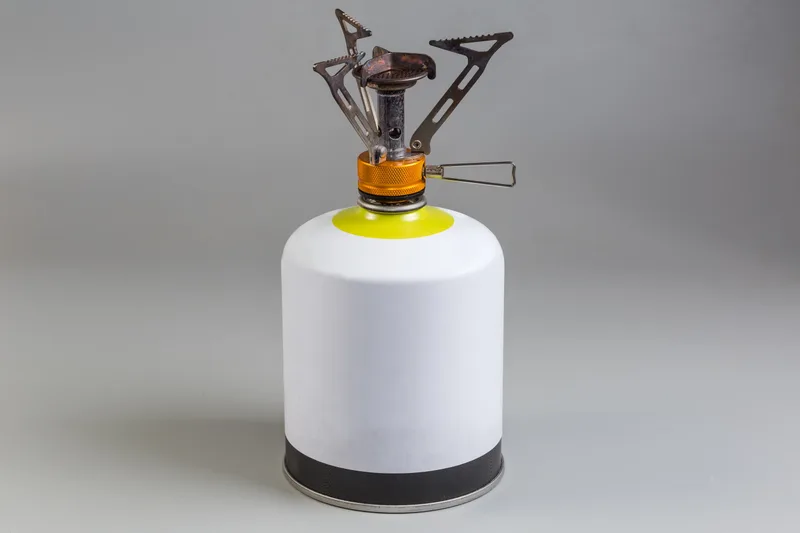
- Core zone (against your spine, between shoulder blades): tent body, food bag, stove and fuel. The dense stuff goes as close to your back as possible.
- Top and pockets: rain shell, first aid, headlamp, snacks, water. Everything you'd want without stopping.
The checklist
Shop tip: do a full shakedown. Pack everything, walk 5 km of local trail, then unpack onto the living-room floor and remove three things. There are always three things.