6-minute read · Updated April 2026
Shoulder-season trail prep: layer like a local
Spring and fall deliver every season in one afternoon. The three-layer rule, what actually goes in the pack, and the trailhead checks that keep 'mixed conditions' from becoming a story.
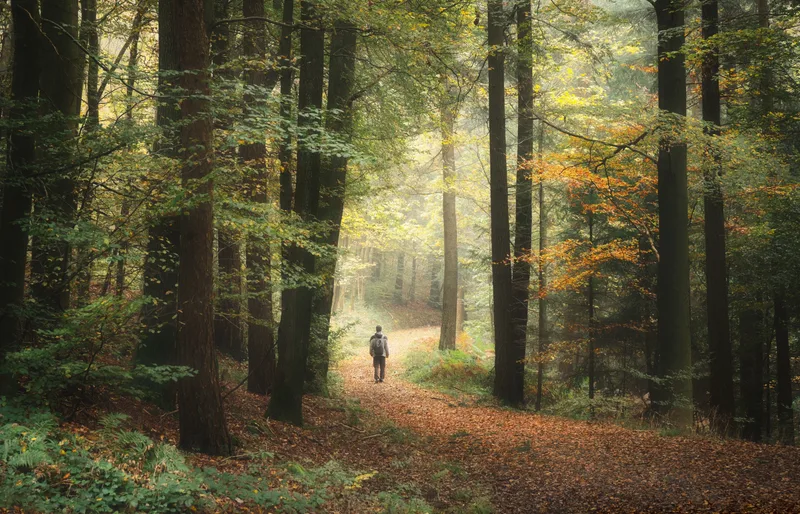
Shoulder season is the best hiking of the year (empty trails, no bugs, larch gold or spring melt), and it's also when the search-and-rescue statistics spike. The gap between a great day and a grim one is rarely fitness. It's layers, light and a turnaround time.
The three-layer rule
Cotton kills slowly and comfortably, which is why it's dangerous. Every layer needs to do its job while damp, because in shoulder season everything ends up damp.
- Base: merino or synthetic against the skin. It manages sweat on the climb and insulates at the windy col. 150 to 200 gsm merino covers October to May.
- Mid: a fleece or light synthetic puffy that stays warm when wet. Down is for camp, not for sweating uphill.
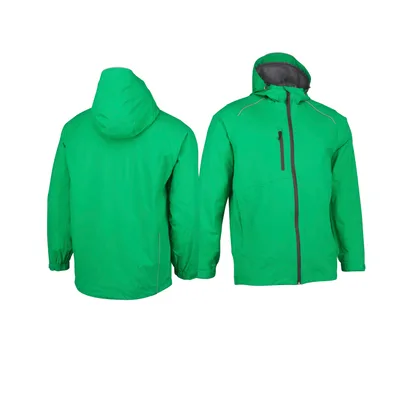
- Shell: a real waterproof-breathable jacket with taped seams and pit zips, not 'water-resistant'. If the label hedges, the jacket will too.
What goes in the pack (even for a short one)
Trailhead checks
- Check the alpine forecast, not the town one, and read the freezing level, which tells you what falls as snow up high.
- Set a turnaround time before you start walking, when you're still objective. Daylight math: sunset minus your descent time minus one hour of buffer.
- Tell someone the trail, the trailhead, and when you'll text. Cell coverage dies in valleys; plans shouldn't.
- Look back up the trail at every junction. It looks different in the other direction, and that's the direction you'll be tired in.
Shop tip: the warmest layer you own is the dry one in the bottom of your pack. Change your base layer at the summit on cold days. Thirty awkward seconds, then you descend warm instead of clammy.