Joints
Joint injections
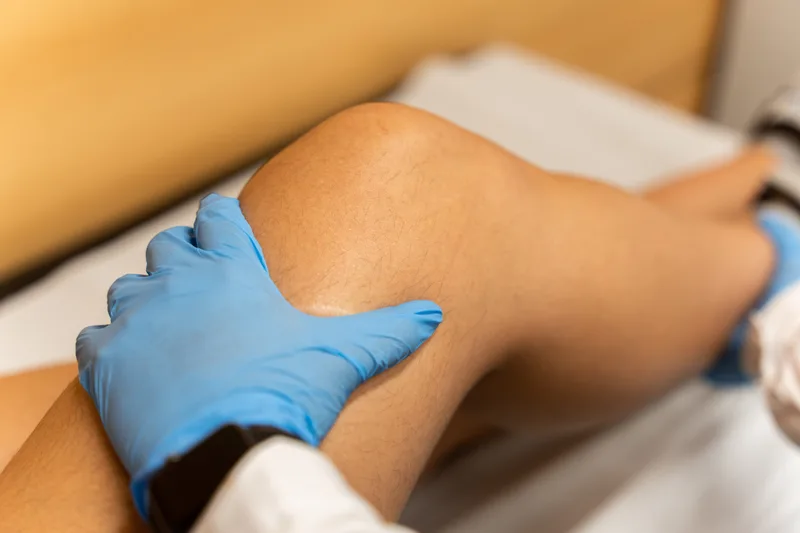
Cortisone, gel and platelet-rich plasma injections, guided by ultrasound when it matters. Honest about what each one can and cannot do, and what it costs.
Typical range
PRP, time to notice a change
4 to 12 weeks, if it helps
What an injection can do.
An injection can calm a painful flare so you can sleep, walk and do your rehab. It can also help confirm where pain is coming from. It does not rebuild a worn joint.
We guide many injections with ultrasound, so the medicine goes where it is meant to. Before any injection, we tell you the likely benefit, the risks, how often it can be repeated and whether insurance usually covers it.
What we treat
-
Knee arthritis flares
The most common reason for a joint injection.
-
Shoulder pain
Bursitis, cuff tendon pain and frozen shoulder.
-
Hip arthritis and bursitis
Often guided by ultrasound.
-
Tendon pain
Elbow, knee and Achilles, case by case.
-
Thumb and small joints
Base-of-thumb arthritis and more.
The injection types, honestly.
01
Injection types
- Cortisone (steroid) injection Fast-acting anti-inflammatory. Usually covered by insurance.
- Hyaluronic acid (gel) injection For knee arthritis. Coverage varies by plan.
- Platelet-rich plasma (PRP) Made from your own blood. Evidence is mixed. Most plans do not cover it.
- Ultrasound guidance Used when a precise target matters, like the hip or a tendon sheath.
02
What to plan for
- Usually a few times a year at most Cortisone is limited per joint to protect the tissue.
- A short rest Most people go back to normal activity in a day or two.
- Some soreness A day or two of soreness at the site is common.
- Diabetes Cortisone can raise blood sugar for a few days. We plan for it.
What to expect
Some people get weeks or months of relief. Some get little or none, and that is useful information too: it helps us find the real source of pain. We will never sell you a series of injections you do not need, and we post the self-pay prices up front.
Time courses, if it helps.
Injections do not work for everyone. These are typical time courses for people who respond, so you know what to watch for.
-
Cortisone, time to notice a change 2 to 7 days, if it helps
-
Cortisone, how long relief lasts Weeks to a few months, if it helps
-
Gel injection, time to notice a change 4 to 8 weeks, if it helps
-
PRP, time to notice a change 4 to 12 weeks, if it helps
These are time courses for people who respond. Some people do not, and we plan for that too. General ranges from published guidance, shown on a stretched time scale. They are not a promise about your recovery.
Your first visit.
-
01
An exam and a look at any X-rays to confirm an injection fits.
-
02
Benefits, risks, coverage and price explained before anything happens.
-
03
Ultrasound guidance when the target needs it.
-
04
Often done the same visit, with written aftercare.
Questions.
Does insurance cover PRP?
Most plans do not. We give you the self-pay price in writing before the visit, and we will not suggest PRP when the evidence for your condition is weak.
How many cortisone shots can I have?
We usually limit cortisone to a few injections a year in the same joint, spaced out, to protect the tissue.
Can I drive after an injection?
Most people can. If your leg feels numb or weak from the local anesthetic, wait until it wears off or bring a driver.
Other care
Wondering if an injection fits?
Book a visit online in about three minutes, or walk in to ortho urgent care for a fresh injury.
-
Booked visits
New injuries are usually seen within a few business days. Concussions within the week.
-
Walk in
Boise Bench, 7 days. Meridian, Monday to Saturday. No appointment needed.
-
Call
(208) 555-0163 weekdays from 7:30 a.m.