Relieve · Program
First aid and health
First aid, lost prescriptions, glasses and a nurse who checks in.
A disaster is hard on bodies. People leave without their pills, their glasses or their hearing aids. Small cuts get infected. Stress makes everything worse.
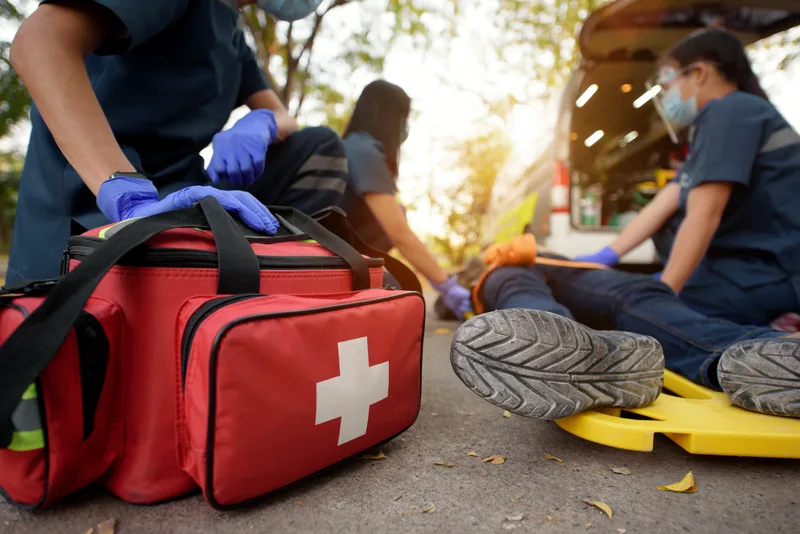
Every shelter we run has a first aid station with trained staff. Our nurses help people replace prescriptions, connect with local doctors and pharmacies, and visit older adults who stayed home.
At a glance
Example figures- First aid station in every shelter we run
- 1
- Typical time to replace a lost prescription (example)
- 48 hrs
- Weeks of nurse check-ins after people return home (example)
- 2
What it includes
What families can count on
- First aid stations staffed by trained responders
- Help replacing lost prescriptions, glasses and hearing aid batteries
- Nurse check-ins for older adults and people with health conditions
- Psychological first aid and referrals for ongoing support
- Mobility aids, like walkers and shower chairs, on loan
- Links to local doctors, pharmacies and home care
How it works
Step by step
-
Step 1
Station opens
A first aid station opens with the shelter, with supplies from our pre-packed medical kits.
-
Step 2
Ask everyone
At sign-in we ask about medications, devices and health needs, so nothing gets missed.
-
Step 3
Replace and refer
Nurses work with local pharmacies and clinics to replace what was lost.
-
Step 4
Check in at home
After people return home, nurses call or visit those who need a follow-up.

Questions about first aid and health
Do you replace medication for free?
Yes, during a response. We work with local pharmacies to replace what was lost, and help people bill their drug plans when they have one.
Is this a replacement for 911?
No. In a medical emergency, always call 911. Our first aid stations help with minor injuries and everyday health needs.
Can I talk to someone about how I'm feeling?
Yes. Our staff are trained in psychological first aid and can connect you with free counselling in your area.
Other programs
Give to first aid and health
Keep first aid and health ready for the next call.
Nurses and first aiders staff every shelter, replace lost medications and glasses, and visit people who stay home.
Prefer a steady gift? See monthly giving. Every gift gets a receipt.