Prepare · Program
Preparedness
Stocked warehouses, trained neighbours and ready households, before the storm has a name.
The fastest response is the one that was packed months ago. We restock our warehouses before flood, fire and storm seasons, so supplies are already on the shelf when the call comes.
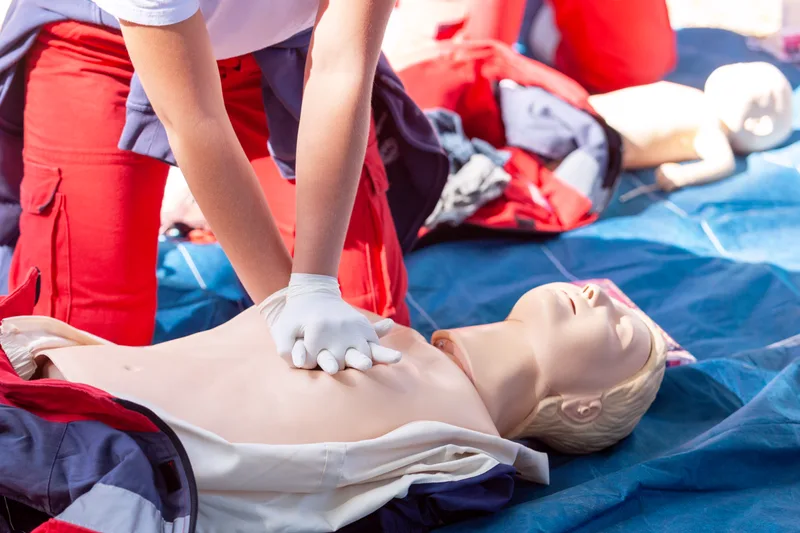
We also train people in their own towns to open and run a shelter, and we help families build a simple plan and a go-kit. Prepared neighbours save time when it matters most.
At a glance
Example figures- Regional warehouses, restocked before each season
- 4
- People trained in first aid and shelter skills last year (example)
- 1,200
- How long a household go-kit should last
- 72 hrs
What it includes
What families can count on
- Seasonal restocking of shelter, water, hygiene and first aid supplies
- Shelter operations training for local volunteers
- First aid and psychological first aid courses
- Household go-kit and plan workshops
- School programs on what to do when the alarm sounds
- Planning sessions with town emergency managers
How it works
Step by step
-
Step 1
Read the season
We look at what each region faces next: floods in spring, fires in summer, storms in fall and winter.
-
Step 2
Restock
Warehouses are topped up to target levels, and trailers are packed and checked.
-
Step 3
Train locally
We run shelter and first aid training in towns that are likely to need it.
-
Step 4
Practise
Each year we run drills with local emergency managers, so the first real call goes smoothly.
On the shelf today
Example levelsDays of supply across our four warehouses, against a 14-day target.
-
14 days
Shelter kits
Cot, blanket, pillow
Ready
-
9 days
Drinking water
Bulk and bottled
Ready
-
6 days
Hygiene kits
Family size
Restocking
-
5 days
First aid
Station kits
Restocking
-
11 days
Clean-up kits
Flood and fire
Ready
-
12 days
Power
Generators and lights
Ready
Questions about preparedness
What goes in a go-kit?
Water, food that keeps, a flashlight, a radio, batteries, a phone charger, copies of important papers, medication, cash and something for comfort. Plan for 72 hours.
Can my town book a training session?
Yes. Community groups and town offices can request shelter or first aid training through our contact page.
Why give when nothing is happening?
Because it lets us buy supplies early, at better prices, and get them to the right warehouse before the season starts.
Other programs
Give to preparedness
Keep preparedness ready for the next call.
We stock four warehouses before each season, train local shelter teams, and help households build their own go-kits.
Prefer a steady gift? See monthly giving. Every gift gets a receipt.