Est. 2014 · Madison, WI
Music lessons that outlast the
Weekly piano, guitar, voice, violin, drum, and saxophone lessons for kids and adults — with every price published, honest start ages, and recitals that cost families exactly nothing. The flashy part of music education is the recital. The real part is the practice room. We named the school after the real part.
Free means free — no card on file, no auto-enrollment, no follow-up ambush.
-
Every price published
Lesson rates, tuition math, and all five fees — on the pricing page, not in a phone call.
-
Honest start ages
We route 4-year-old drummers to rhythm classes instead of taking the money. Cheerfully.
-
Recitals, $0
Two a year. No performer fee, no tickets, no costume list. Performing is invited, never required.
-
4.5★ honest average
The real mean of all 10 reviews — including the three-star one about our desk email.
Six instruments
Pick an instrument. We'll be honest about the age.
All lessons →Piano
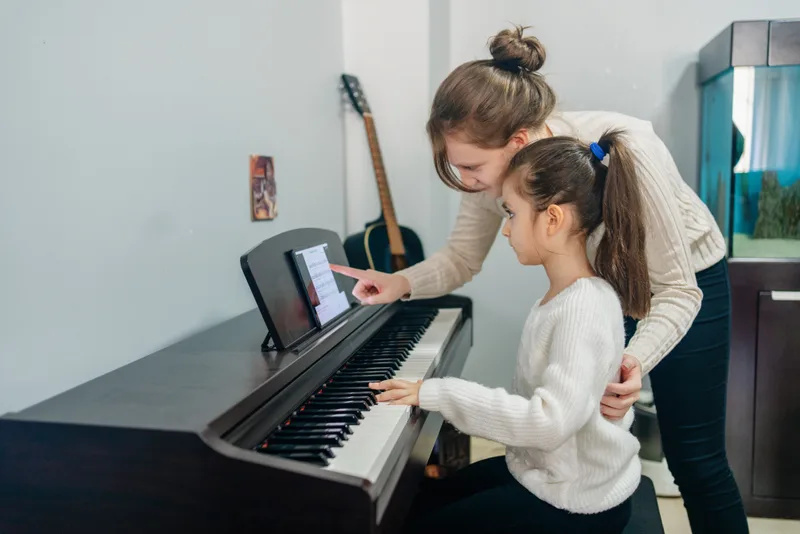
ages 5+The best first instrument, and the best tenth
Lessons & honest start age →
Guitar
ages 7+Three chords in, most people are hooked
Lessons & honest start age →
Voice
ages 8+Your instrument is already paid for
Lessons & honest start age →
Violin
ages 4+The earliest honest start in the building
Lessons & honest start age →
Drums
ages 6+Loud, joyful, and better for the household than you fear
Lessons & honest start age →
Saxophone
ages 9+The friendliest of the serious horns
Lessons & honest start age →
Under five? That's Little Notes — and we'll tell you so before you spend a dollar on lessons that won't land yet.
How it works
Three steps, no audition, no sales script
-
01
Free trial lesson
25 minutes with a real teacher — not a tour guide. You'll play, they'll listen, and you'll leave with an honest read on fit, start age, and what gear (if any) to buy.
-
02
Weekly lessons
Same teacher, same slot, month to month — no semester contracts. Tuition is the lesson rate times the lessons in the month, and the math is printed on the pricing page.
-
03
Two recitals a year
December and May, both free, both optional. Nervous first-timers can share the stage with their teacher. Mistakes are part of the repertoire.
Published rates
The tuition math, shown working
Every price & every fee →30-minute weekly
$39/lesson × 4 = $156/mo
Ages 4–9 and brand-new beginners — attention is a muscle too
45-minute weekly
$56/lesson × 4 = $224/mo
Most students by year two — room for repertoire and theory
60-minute weekly
$72/lesson × 4 = $288/mo
Teens preparing auditions, adults, and anyone deep in the work
Monthly tuition is the lesson rate × the lessons in that month — four in most months, five in some. A five-lesson month costs more because you get more lessons. We don't average it into a flat rate you can't audit.
Beyond private lessons
Before the first lesson, and beyond it

Little Notes · ages 6 months – 5 years
$228/12 wksParent-and-me circles for the under-5 crowd: steady beat, pitch-matching, and play. Not instrument instruction — the honest prerequisite for it, and we say so out loud.
Rock Band Lab, Kids Choir & more
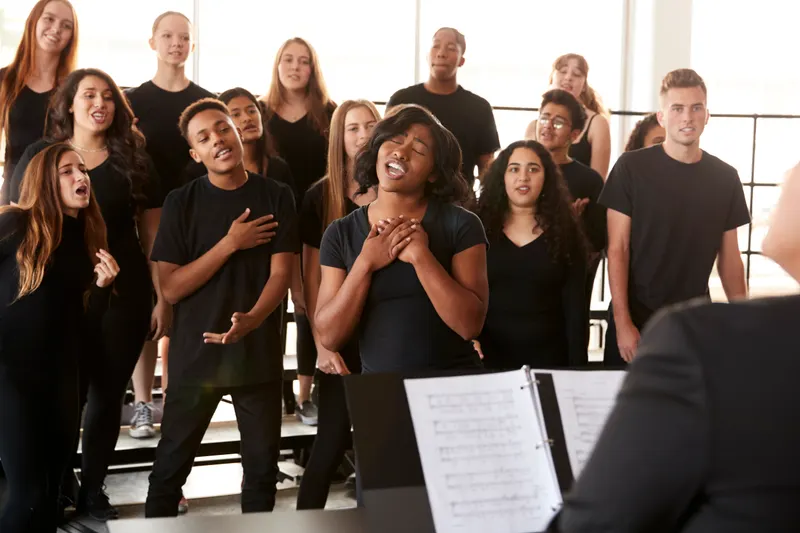
from $58/moReal bands of four or five kids, coached — not conducted — through a set list they pick, ending in two real shows a year. Plus a no-audition choir and an adults-only band night for everyone who "used to play."
The teachers
Six teachers, credentialed and background-checked
Meet all six →Nora Vance
Founder & director · piano, Little Notes
MM, Piano Pedagogy — Deerfield Conservatory · 19 years teaching.
Devon Marsh
Guitar · Rock Band Lab · Adult Band Night
BM, Jazz Guitar — Milton College of Music · 12 years teaching.
Yuki Tanaka
Violin & viola
BM, Violin Performance — Ridgeline University · 10 years teaching.
In their words
Reviews we didn't sand down
4.5 average · all 10 reviews
“The honest age advice was correct”
We came in wanting piano lessons for a 3-year-old. Nora talked us into Little Notes instead — cheaper, mind you — and told us exactly what readiness would look like. Eighteen months later our kid started piano and it stuck immediately. They played the long game with our trust.
“They said 'wait a year' and meant it”
Alina looked at my then-8-year-old, checked his front teeth like a horse dealer, and told us to wait a year and start piano meanwhile. No charge for the advice. We came back at 9 and he's thriving. Try getting that sentence out of a school that bills for potential.
“Love the teachers, desk email is slow”
Teaching: five stars, both kids. But when I emailed to move our lesson day it took most of a week and a follow-up call to get sorted. They apologized and fixed it, and the makeup policy did cover us — but a school this organized about pricing should answer email faster.
Straight answers
The questions parents actually ask
How long until it actually sounds like music?
Honest timeline: recognizable songs inside a month on piano, guitar, and drums; violin and voice take a patient season before the sound sweetens; saxophone lands somewhere between. Anyone promising faster is selling the trial, not the instrument.
How much should my child practice?
Ages 5–8: five focused minutes a day beats a weepy half hour, and we mean it. Ages 9–12: 15–20 minutes most days. Teens and adults: 20–30 minutes with intent. Your teacher writes the assignment small on purpose — done daily is the whole trick.
Can I sit in on my child's lesson?
Lesson one, always — and for violin under six, every lesson, because the caregiver is part of the method. After that most kids focus better solo, and the teacher's notes app tells you what happened. Pop in any time regardless; doors have windows for a reason.
The first lesson is free, and honestly free
Every price on the website, monthly math included. Two recitals a year with zero fees attached. Teachers who are background-checked, credentialed, and honest about start ages. And no prodigy talk — we teach people, not résumés.