· 6 min read
Why we teach slow: the case for practice over punishment
Boutique fitness spent a decade equating effort with volume. Here's why our hardest class is also our quietest, and what slow work asks of you.
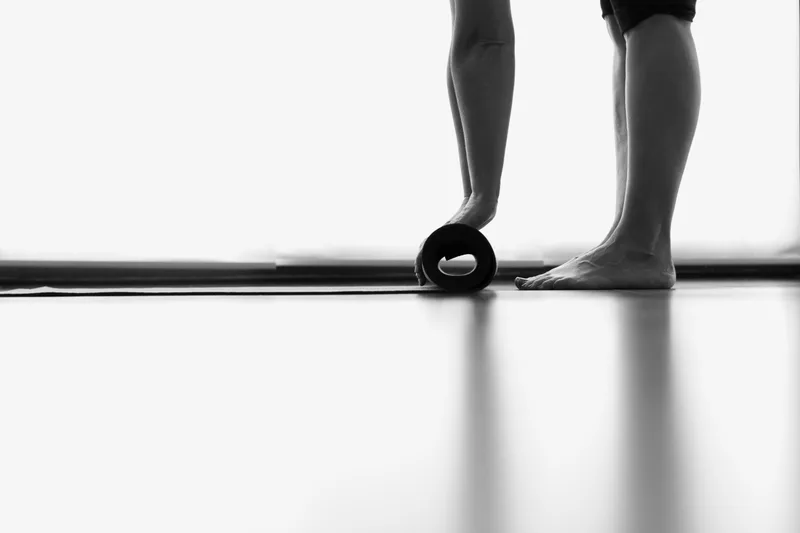
There's a moment in almost every first Deep Form class. It arrives around minute ten, usually mid-footwork, when the student realises the class is not going to speed up. The music is not going to drop. Nobody is going to shout a countdown. There is just the spring, the five-count lower, and their own leg, shaking slightly, telling them the truth.
That moment is the whole studio, compressed. It's also the thing we have to explain most often, so let's write it down.
Punishment is easy to sell
The last decade of boutique fitness discovered something true and then over-applied it: intensity feels like progress. Sweat is easy to see. Exhaustion photographs well. A class that leaves you wrecked lets you skip the harder question of whether it left you better.
The reformer is bad at that kind of theatre, which is exactly why we love it. Springs don't respond to enthusiasm. They respond to control. You cannot rush a five-count lower. You can only do it, or do something faster and easier and call it the same thing.
What slow asks of you
Slow work is not gentle work, as anyone who's held our long single-leg sequences knows. What slowness changes is where the effort goes. Fast reps let momentum and your strongest muscles do the lifting. Slow reps close every exit, so the smaller muscles that speed lets off the hook have to show up.
That's the practice. Not a performance for the mirror, not a debt you pay for the weekend, but a skill you keep building. Members tell us about small things they notice: sitting through a long flight more comfortably, carrying a sleeping kid up the stairs, paying more attention to how they stand. Nobody ever mentions calories.
The quietest room wins
We named the studio Quiet Form because the quiet is load-bearing. When nobody is shouting, you can hear your own breath change. When the room isn't performing intensity, you stop performing too. What's left is just you, a machine that's honest to a fault, and a teacher watching closely enough to notice the rep where everything lined up.
Practice, not punishment. It's slower. That's the point.