integrated pest management · no greenwashing
Eco & safety, stated plainly
Least-toxic-first is a work order, not a slogan. Here's the ladder we climb, the re-entry times for everything we apply, and the five refusals that define how Fernwell operates.
the ladder
Five rungs, climbed in order — every job
-
01
Identify
Species first. A third of 'termite' calls are ants; a third of 'bed bug' calls aren't. Nothing gets applied to an unidentified pest.
-
02
Exclude
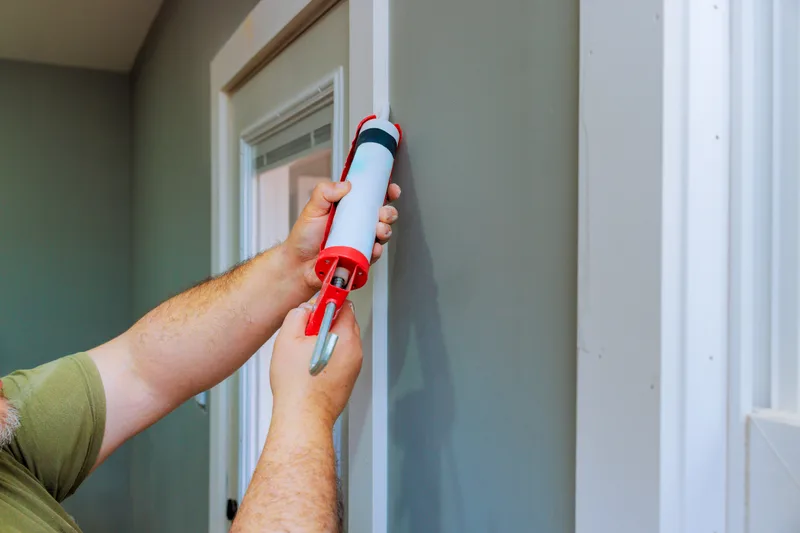
Seal the gap, screen the vent, sweep the door. Physical fixes outlast every product we carry, so they come first on the work order.
-
03
Remove the reason
Moisture, food, harborage. You get a written habitat list with every job — fixing the gutter is often the treatment.
-
04
Treat — least-toxic first
Baits and growth regulators before broadcast products. Crack-and-crevice before bands. Bands before anything wider — and 'wider' almost never happens.
-
05
Monitor & verify
Numbered monitors, interceptor cups, follow-up visits. A job is done when the evidence says so, not when the invoice is paid.
product honesty
We're not "chemical-free." We're precise.
We're not a 'no-chemicals' company, and we won't pretend to be one — we're a right-chemical, right-dose, right-place company. When a job can be solved with a sealed gap and a vacuum, that's the quote you'll get.
'Natural' doesn't automatically mean safer: dose, placement, and exposure decide risk. A locked exterior bait station is safer for your dog than a 'botanical' spray across the lawn.
Every product we use carries an EPA registration, and every visit note lists what was applied, where, and at what concentration. Ask your tech to walk you through it — they like it when people ask.
kids, pets & timing
Re-entry times, published
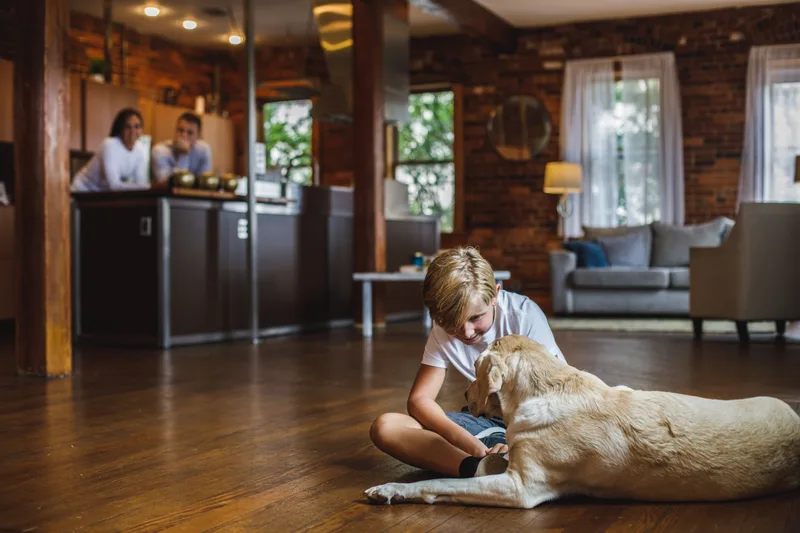
The same table your visit note repeats. Tell us about aquariums, reptiles, and birds when you book — they're more sensitive than cats and dogs and change what we use.
| Where & what | Product class | Kids & pets |
|---|---|---|
| Exterior foundation band | Pyrethroid, low-pressure coarse spray | Keep kids & pets off treated surfaces until dry — typically 1–2 hours |
| Interior crack-and-crevice | Gel baits & dusts placed inside voids | No re-entry wait — placements are out of reach by design |
| Kitchen roach program | Gel bait + insect growth regulator | Stay out of the kitchen during the visit only; surfaces are never treated |
| Wasp nest treatment | Targeted aerosol/dust at the nest | Keep the nest area clear for 24–48 hours while stragglers return |
| Exterior rodent stations | Anticoagulant bait in locked, anchored stations | None — stations are tamper-resistant; never used indoors |
the refusals
Five things we won't do, at any price
- No blanket interior baseboard spraying on routine visits — it's theatre, and it's the first thing we cut
- No rodenticide inside living spaces, and no glue boards, period
- No treating honey bees — swarms get referred to a local beekeeper for relocation
- No calendar-based termite contracts on homes with no evidence of termites
- No 'general spray' without an identified target pest — if we can't name it, we don't treat it
next step
Questions we didn't answer here?
The FAQ covers contracts, rain, whether you need to leave the house, and why 'natural' isn't a safety guarantee. Or ask a technician directly — they like it when people ask.
or call (503) 555-0164 — Mon–Fri 7:30 am – 5:30 pm · Sat 8 am – 1 pm