Available 24/7 · Free case review · No fee unless we win

(800) 555-0139

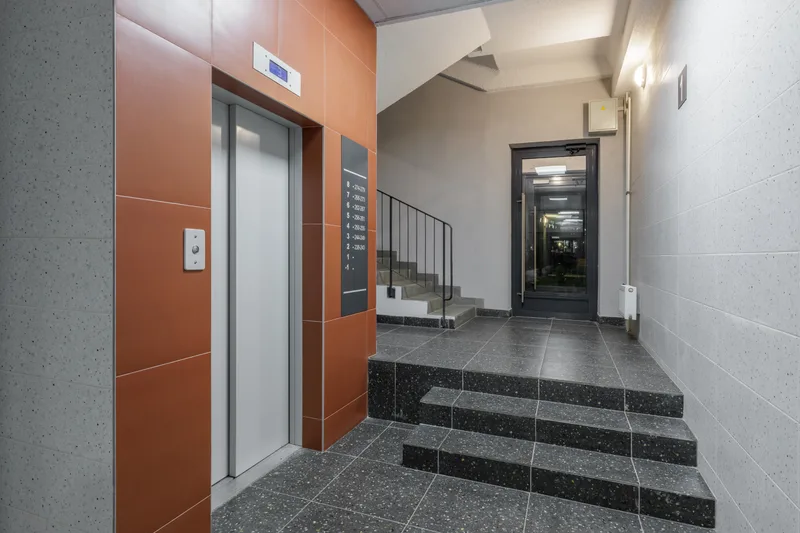
The ground-floor hallway of an apartment building, with an elevator, a short flight of steps and a dim corridor

Premises liability lawyers in New York

Property owners in New York have a duty to keep their buildings reasonably safe. That covers more than floors. It means working door locks and lighting where crime is foreseeable, ceilings and fixtures that don't come down, and elevators that are inspected. When an owner ignores a known danger and someone gets hurt, the owner, and their insurance, can be responsible.

  • No fee unless we win
  • English or Spanish
  • Home and hospital visits
Deadline

Generally 3 years. Buildings owned by the City, NYCHA or another public body require a notice of claim within 90 days.

Cases we handle

Premises liability cases we take on

  • Assaults where security failed (negligent security)
  • Falling objects and collapsed ceilings
  • Elevator and escalator injuries
  • Broken railings, balconies and stairwells
  • Dark hallways, lobbies and parking garages
  • Fires, leaks and code violations left unfixed

If it just happened

Your first steps after you're hurt on someone's property

  1. Report it to the police or building management, in writing.
  2. Photograph the broken lock, light, railing or ceiling right away.
  3. Save texts, emails and portal requests you sent about the problem.
  4. Ask neighbors if they complained too. Their complaints matter.

More detail in our after-an-accident guide.

How we build the case

What we set out to prove

  • That the danger was known: repair requests, tenant complaints, 311 calls and building violations

  • That the owner failed to act: broken locks, burnt-out lights or missing guards left for weeks or months

  • That the failure caused the harm: how a working lock, light or repair would have prevented it

Compensation

What you may be able to recover

  • Medical and mental-health treatment

  • Lost income and future earning power

  • Pain, suffering and emotional distress

  • Costs of moving or making your home safe

Every case is different, and no lawyer can promise a result. Our settlement calculator shows how claims are first estimated, with the math visible.

Gabriel Mendes, a warm, smiling attorney with curly hair tied back, wearing a dark blazer over an open-collared blue shirt

Who leads these cases

Gabriel Mendes Partner, Premises Liability

  • Notice-of-claim specialist: the 90-day rule that ends many city cases
  • Sends evidence preservation letters within 48 hours of the first call
  • Practices in English, Portuguese and Spanish

Read Gabriel's full profile

“The lock on our lobby door was broken for months. I thought what happened to me was just bad luck. They showed me it wasn't, and they were patient with me through all of it.”

Name withheld · Negligent security · sample review written for this demo

Example results

How premises liability cases can end, good and bad

All example results

Example result Settled before trial

$425,000

Illustrative amount, not a real case

Negligent security Premises Liability Tone: Favorable

Assault in a lobby with a lock broken for months

A night-shift nurse was attacked inside her building's lobby. The front door lock had been reported broken in fourteen work orders over five months, and the lobby light was out.

The tenants' own repair requests were the strongest evidence in the case.

Example result Settled without trial

$540,000

Illustrative amount, not a real case

Ceiling collapse Premises Liability Tone: Favorable

Bathroom ceiling came down after ignored leaks

A tenant suffered a concussion and neck injuries when a waterlogged ceiling fell. Time-stamped repair requests in the building's portal, all ignored, proved the landlord knew.

Example results for a sample website, not real cases. Past results never guarantee a future outcome.

Common questions

Asked in almost every premises liability consult

I was assaulted in my building. Can the landlord really be responsible?

Sometimes. A landlord isn't responsible for every crime. But if crime in or near the building was foreseeable and the landlord left the front door lock broken, the lights out or the cameras dead, a jury can hold them responsible. Larger New York apartment buildings must keep self-closing, self-locking entry doors.

Something fell on me in a store. Is that a slip and fall case?

It's a premises case, which follows the same idea: did the owner create the danger or know about it? Badly stacked shelves, loose ceiling tiles and unsecured displays are common examples. Keep the receipt or bank record that shows you were there, and photograph the area.

What is 'notice' and why does everyone keep asking about it?

Notice means the owner knew about the danger, or it was there long enough that a careful owner would have found it. It is often the whole case. That's why your old complaints, repair tickets and texts to the super can be the most valuable evidence you have.

More answers on our FAQ page. General information for New York, not legal advice about your situation.

Free case review · Available 24/7

Need help after you're hurt on someone's property? Let's talk, free.

Twenty minutes on the phone, no obligation, and an honest answer about whether you have a case.

Fictional sample site by SearchPod