Calder & Rowe Road injury lawyers
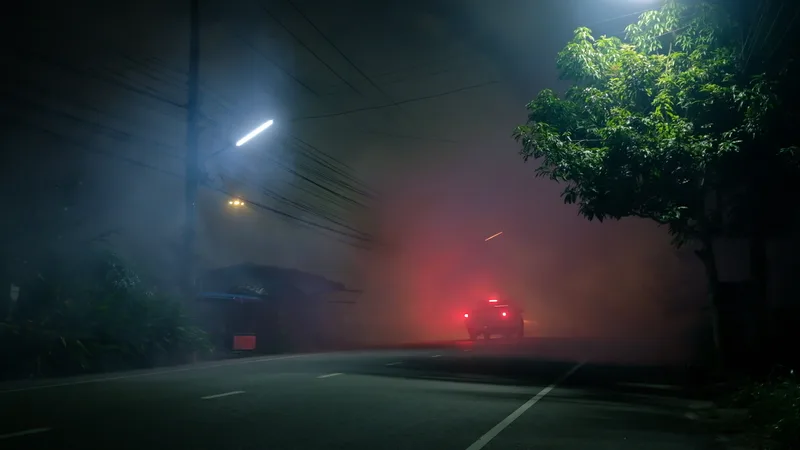
A car's red tail lights disappearing into fog on an empty road at night

Hit-and-run crashes

Section menu

Driver fled

The driver drove away. You are hurt, and there is no one to send the bill to. Most people think that ends it. Often it does not, but the first few days decide a lot.

What usually happens

When a driver flees, the claim often runs through your own uninsured motorist coverage. Your policy treats the unknown driver as an uninsured one.

That surprises people. The insurer you have paid for years is now the one deciding, and sometimes disputing, what you get. You still need someone on your side.

Evidence fades fast. Witnesses go home. Doorbell and store cameras record over in days. Paint and broken parts get swept up.

What the insurer says, and what we do

  • “We need proof another car was involved.”

    Many policies do ask for it. We gather witness statements, video and physical evidence like paint transfer to meet that bar.

  • “You did not report it fast enough.”

    Policies often require a prompt police report and prompt notice to the insurer. We help you get both done right away.

  • “Without the driver, we cannot judge fault.”

    Fault can be shown from the scene, the damage and the video, even when the driver is never found.

The first 72 hours

What we do, and what you can do, in the days right after a hit-and-run.

  1. Day 1 Report it Call the police and get a report number. Tell your own insurer about the crash. Keep it to the facts.
  2. Day 1 to 2 Canvass for cameras We knock on doors and visit shops along the route to ask for doorbell, store and traffic video before it is gone.
  3. Day 2 to 3 Lock in the evidence We photograph the damage, keep paint and broken parts, and take statements from anyone who saw the car.
  4. Day 3 and after Open the claim right We notify your insurer in writing and handle every call, so nothing you say is used to cut the claim.

Checklist

What to do this week

  • Report the crash to the police right away, even if you feel okay.
  • Write down anything about the car: color, make, part of the plate, damage, direction it went.
  • Do not wash or repair your car yet. Paint and parts can identify the other vehicle.
  • Tell your own insurer, but do not guess about fault or injuries on the call.

Who may pay

  • Your uninsured motorist coverage The usual path when the driver is never found.
  • The driver, if found If police identify the driver, their insurance can apply too.
  • A household member's policy If you were walking or cycling and do not own a car.
  • Medical payments coverage If you carry it, it can help with early bills.

Questions we hear about hit-and-run claims

Can I still sue if they never catch the driver?

You cannot sue a person nobody can find. But you may have a claim under your own uninsured motorist coverage, and that is often where these cases are won or lost.

Will a claim on my own policy raise my rates?

It depends on your insurer and your policy. Many insurers do not raise rates for a crash you did not cause, but the rules vary. Send us your policy and we will read it with you.

More answers on the questions page.

An example outcome

Example outcome No recovery
Hit-and-run crashes

Clipped at night by a car that never stopped

A driver was sideswiped on a dark road. No one saw the other car, and no cameras covered that stretch.

What happened: Without a witness or video, the client's policy did not allow the uninsured motorist claim. We explained why, closed the file and charged no fee.

What we took from it Some hit-and-run claims cannot be proven. We would rather tell you that plainly than drag it out.

These are invented examples for a sample website. They show the kinds of results a road injury firm might describe. Every case is different, and past results do not guarantee or predict a similar outcome in any other case. See all example outcomes.

Talk it through with Samir

Samir Haddad leads our hit-and-run work. Start the free case evaluation with this crash type already picked, or call the intake line any hour.

Call any hour. A lawyer calls you back.

Tell us what happened in five short steps, or call the intake line. A free case evaluation costs nothing, and you do not have to hire us afterwards.

No fee unless we recover money for you. Answered 24 hours a day, every day.

Fictional sample site by SearchPod