I work four markets and decline listings outside them. These are my field notes — what each area rewards, what it punishes, and what I tell my own clients over coffee. The numbers beneath each essay are computed from my sold record, not the city average.
Rowan Hill · Brownstone terraces, 1880–1910
Essay 01
Rowan Hill
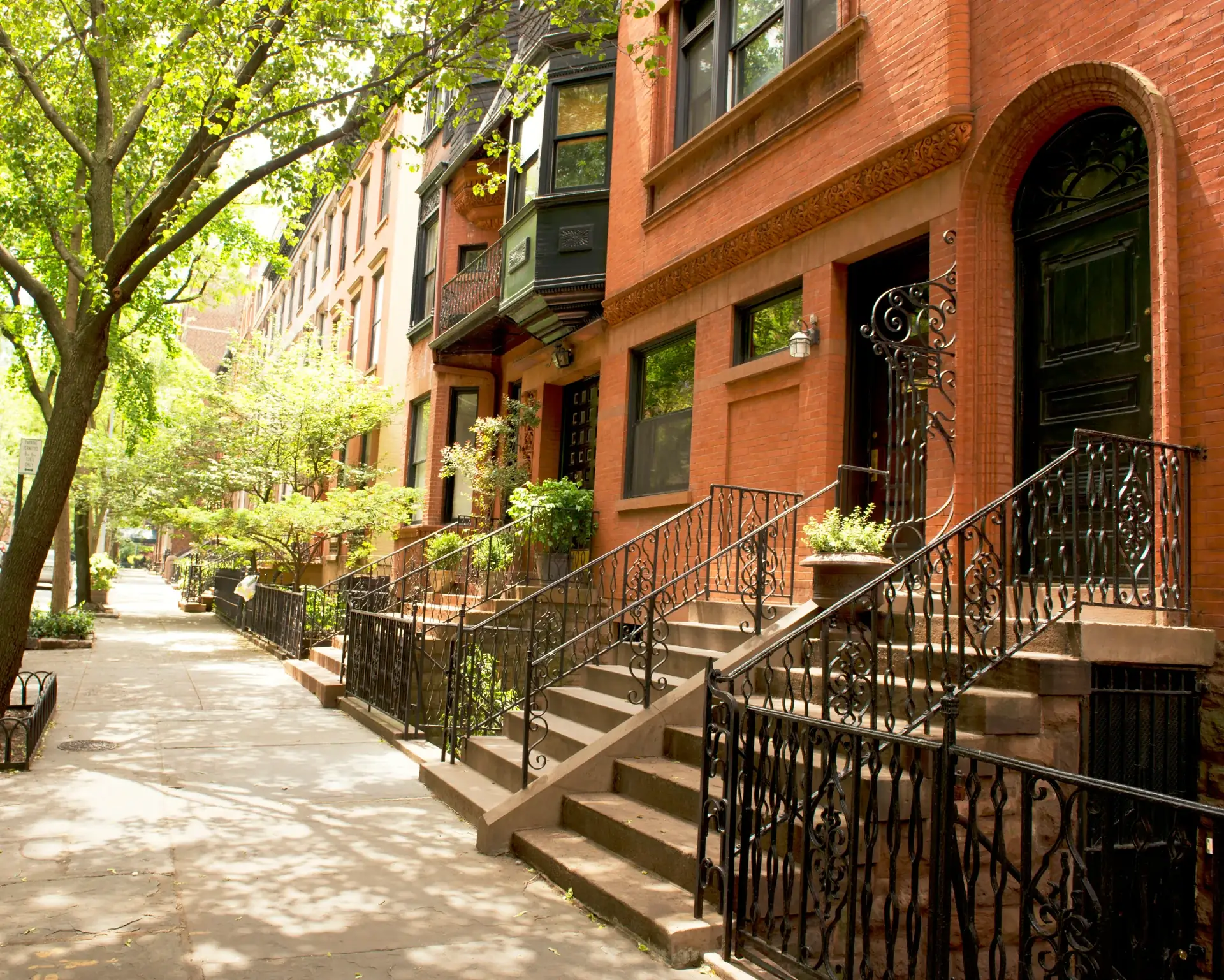
Rowan Hill was built in a single generation — roughly 1880 to 1910 — by masons who competed openly on their stoops. Walk Rowan Terrace slowly and you can watch the one-upmanship: carved balustrades answering cast-iron ones, each arched doorway a little prouder than its neighbor. The result is the most architecturally intact square mile in Alderport, protected since 1979 by a preservation district that takes itself seriously.
The market here rewards patience and punishes flippers. Original detail — mantels, medallions, pocket doors — carries a measurable premium, and buyers at this level can tell restoration from renovation in the first thirty seconds. Houses trade rarely; several of my Rowan Hill sales never reached a public listing at all.
What I tell sellers: your brownstone's buyer already lives within six blocks, or is trying to. What I tell buyers: when a terrace house with its parlor floor intact comes up, the correct number of days to think about it is zero.
Meridian Quay · The vertical district — towers, lofts, the harbor
Essay 02
Meridian Quay
Meridian Quay is where Alderport decided to grow up instead of out. The old printing and rope-works district took its first glass tower in 2009 and never looked back; today the quay holds the city's eight tallest residential buildings and, hidden between them, a stock of 1920s industrial lofts that trade like rare instruments.
Vertical living here divides into three markets that behave nothing alike. New-build towers price on light and services. Prewar buildings — The Parkline above all — price on posture and provenance. And the lofts price on volume: ceiling height and window steel, measured almost by the foot.
The quay is the fastest market I work. Well-priced residences go under offer in eight to twelve days, and the penthouse tier is so thin that serious buyers keep standing instructions with me for stock that has not yet decided to sell.
Linden Vale · The architects' enclave in the hills
Essay 03
Linden Vale
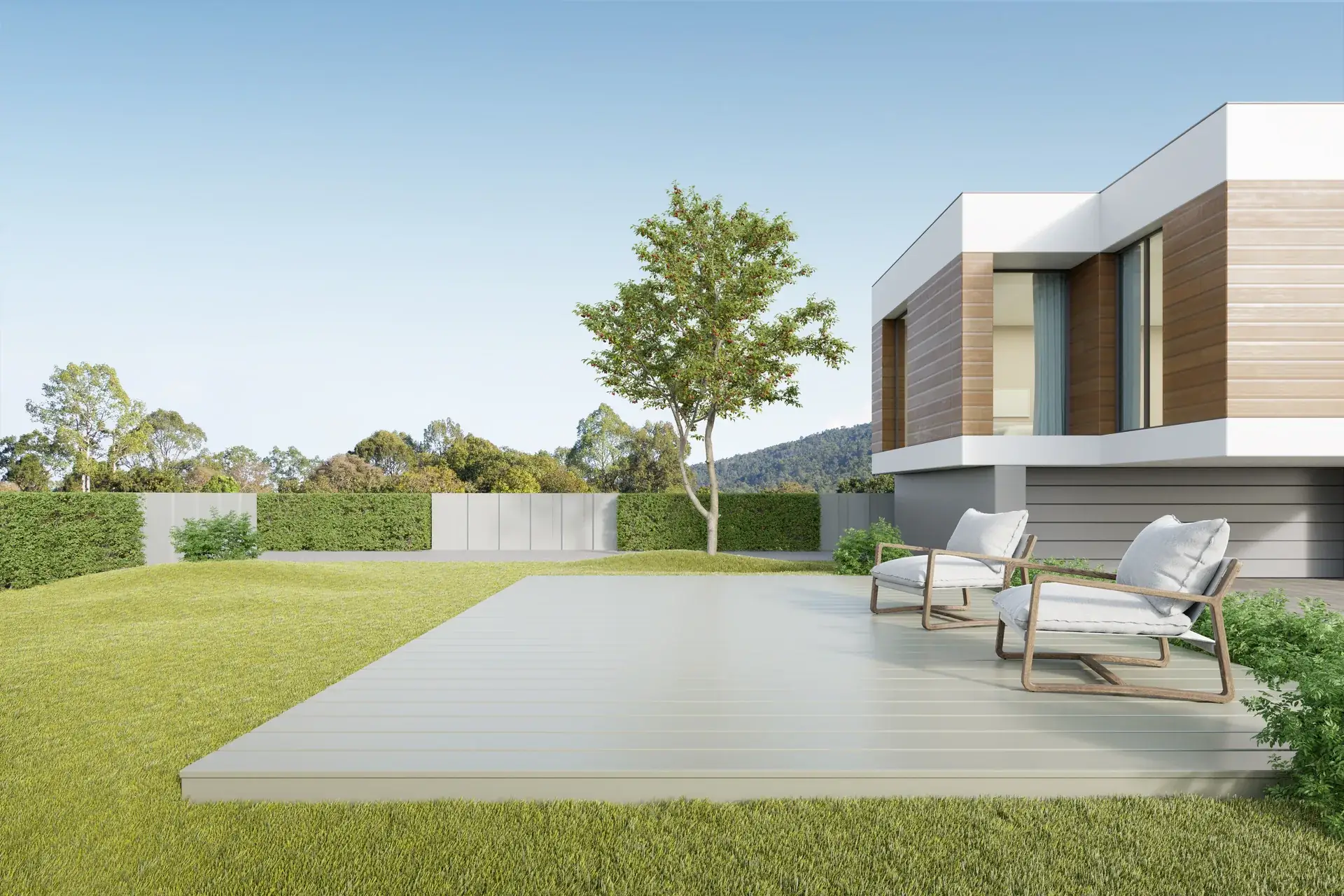
Linden Vale began as a 1960s experiment: thirty hillside lots sold on the condition that every house be architect-designed and none exceed two stories. The covenants held, and the vale slowly became Alderport's open-air museum of residential architecture — mid-century originals alongside new commissions that had to argue their way past a famously exacting design review board.
Buying here means buying a specific architect's argument about how to live, which is why I walk buyers through the vale differently: less granite-counting, more sightlines and section drawings. Provenance matters. An intact original by a named architect can out-price a larger new build on the same street.
Inventory is the tightest in the city — some years only two or three houses trade. When one does, the sale is usually decided by whoever understood the house fastest.
Saltcliff · Dune-line oceanfront, forty minutes out
Essay 04
Saltcliff
Saltcliff is a single road running behind a dune, forty minutes from the quay, and it holds its value the way the dune holds the tide — imperfectly, but with conviction. Shingle houses from the eighties and nineties sit beside glass pavilions from the last decade, and the beach in front of them remains, by some miracle of town politics, genuinely quiet.
Oceanfront here is really two assets: the house and the frontage. Deeded dune feet are the scarce commodity — they are literally not making more — and engineering matters more than finishes. A house piled to bedrock with a maintained walkover carries a premium that survives any market weather.
Saltcliff trades socially. Most sales begin as a conversation on a porch, which is why an agent who summers there — I do, on Dune Grass Way — hears about listings roughly a season before they exist.
Every neighborhood above prices differently. The valuation tool applies the right comparables automatically — or skip the arithmetic and book the walkthrough.