Maintenance · 6 min read
Getting your vehicle ready for a Maritime winter: the 8-point checklist
Terry MacIsaac, Fixed Operations Manager · June 18, 2026
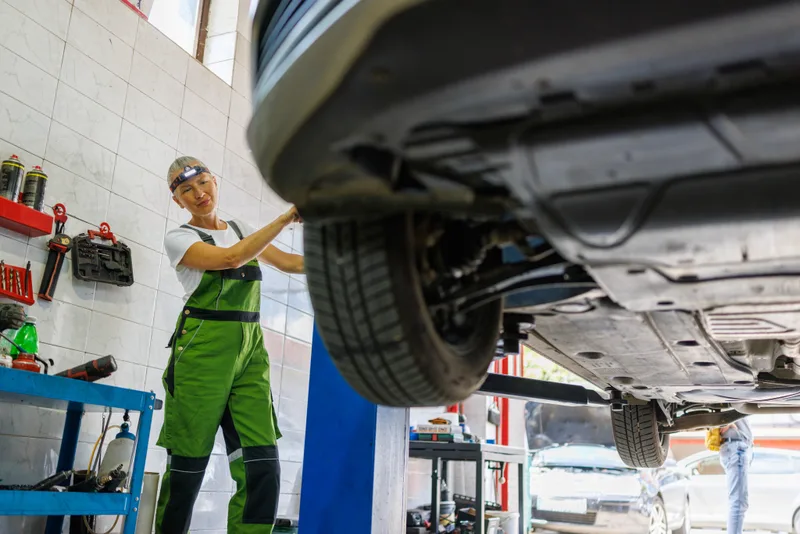
Nova Scotia doesn't get one winter — it gets four or five of them, usually in the same week. Rain, flash freeze, salt, thaw, repeat. That cycle is harder on vehicles than a Prairie deep-freeze, and it's why the shop runs this exact checklist on our own cars every October. Here's the whole thing, no appointment required.
1. Winter tires — the date matters more than the brand
Below 7°C, all-season rubber starts behaving like a hockey puck. Any major-brand winter tire outperforms the best all-season once temperatures drop, so the real decision is when: book for early November before the first freeze, not after the first storm when every shop in HRM is triaging a two-week backlog.
2. Battery: test it, don't trust it
A battery that starts the car fine in September can be at 40% capacity. Cold cuts cranking power roughly in half, right when the engine needs more of it. A conductance test takes ten minutes and is free at most shops, including ours. Batteries older than five winters are living on borrowed time here.
3. Rustproofing is not optional on the coast
Salt plus humidity is the recipe that eats brake lines and subframes. An annual dripless oil-spray undercoat (about $150) is the single cheapest thing you can do to extend a vehicle's life in the Maritimes. Do it after the first cold snap, before regular salting starts.
4. Wipers and washer fluid — the visibility tax
Buy winter blades (the ones with the rubber boot) and fill with -40°C fluid, not the blue summer stuff that freezes in the lines. Keep a spare jug in the trunk; you will use all of it in one slushy week on the 111.
5. Check the coolant's actual freeze point
Coolant weakens as it ages. A $2 tester tells you the real freeze point in thirty seconds — it should read -37°C or better. While you're under the hood, look at the rad hoses: squishy or crusty ends mean they're due.
6. Brakes: listen for the winter grind
The freeze-thaw cycle rusts rotors fast, and salt accelerates calliper seizure. If the car pulls to one side when braking or you hear grinding after it sits overnight, get it looked at before the season — a seized slider caught early is a $60 service, not a $600 axle job.
7. Door seals and locks — the 6 a.m. problem
Wipe silicone protectant on the door and trunk seals so they don't freeze shut, and put graphite or lock de-icer in the key cylinders (yes, even with keyless entry — dead fobs happen at the worst moments).
8. The trunk kit nobody packs
Small shovel, traction aid or bag of grit, blanket, booster pack (not cables — a pack), headlamp, and a phone cord. Assemble it once in October; it lives in the trunk until May. If you never open it, that was the plan.
The one-visit version
Our winter-ready package bundles the inspection, tire changeover, battery and coolant tests into a single visit — see the service menu for current pricing, or book online and we'll have you in and out before the first flurries.