Roastery
Why we roast in small batches — and what “roasted weekly” actually means
June 18, 2026 · 5 min read · by the roastery team
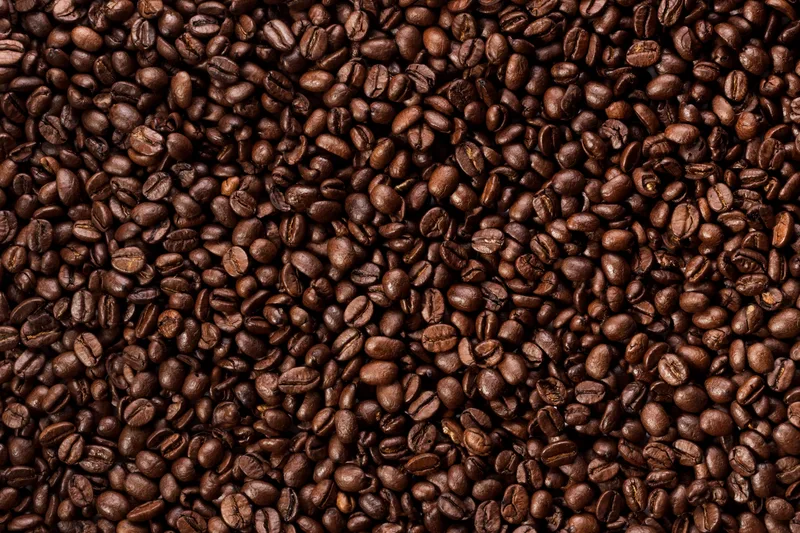
Every Monday morning the green-coffee shelf tells us what to do. We look at what subscribers have coming, what the café burned through, and what's peaking — then we roast exactly that, in batches small enough to sell out within days.
Coffee is produce
A roasted bean is busiest in its first two weeks. Carbon dioxide is off-gassing, aromatics are settling, and flavour is genuinely changing day to day. Days 4 through 18 are the sweet spot for most of our roasts — which is why every bag we ship carries its roast date, not a vague best-before stamped a year out.
Why small batches win
A 12-kilo batch lets the roaster respond to the bean — a few seconds longer here, a touch less heat there. It also means a mistake costs us one batch, not a pallet, so we can afford to be picky. Batches that don't hit the cupping table standard go to the compost, not the subscriber queue.
The practical upshot for you: when your box says roasted this week, it was. Your first delivery is scheduled off the roast calendar, not the warehouse shelf — that's the whole reason subscriptions, not shelves, are how we sell most of our coffee.