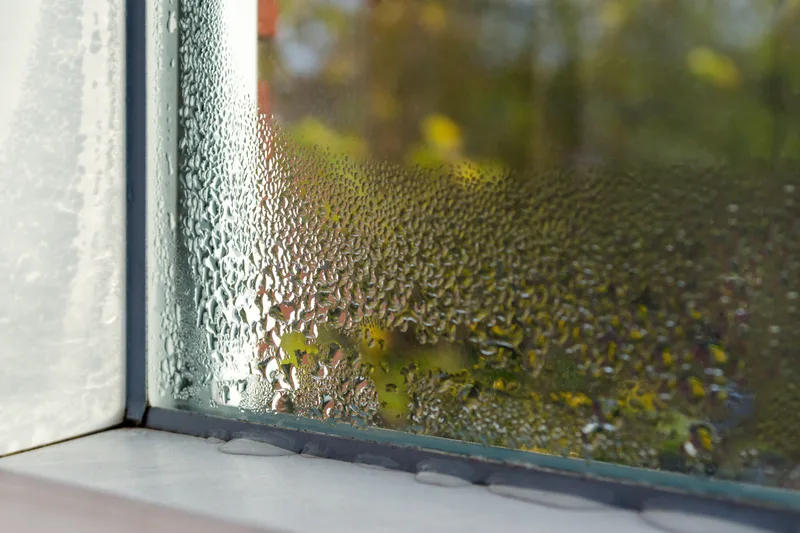
Winter condensation
Warm, damp indoor air meets cold glass and roof boards. Showers, cooking and drying laundry all add to it.
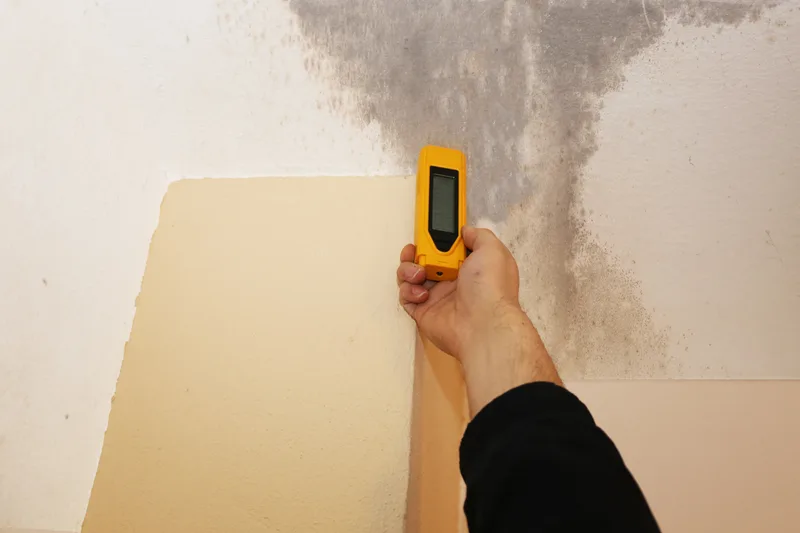
Mold inspection and remediation · Olympia, WA
We find the moisture behind it, tell you plainly whether you need a test or a crew, and have every job we remediate checked by someone we don't employ.
Inspections from $325 · Written scope before any work · Olympia, Lacey, Tumwater, Yelm and more
Start here
Mold spores are part of outdoor air everywhere. What matters is whether something is growing indoors, how big it is, and what keeps it wet. Here is how we sort the calls we get.
Mildew on shower caulk, tile grout or a window sill, smaller than a sheet of paper. Gloves, soap and water, then dry it and run the fan longer.
How to clean small spotsSomething musty with no clear source, a ceiling stain, or water that sat for a few days. We find the moisture and size the problem.
About inspectionsVisible growth over about 10 square feet, or on drywall, insulation or carpet. It needs containment and a written scope.
About remediationWhy it grows
Our winters are long and damp, and most homes here have a crawl space, an attic and a bathroom that never quite dries. Removal without fixing the water is money spent twice, so every inspection starts with the moisture.
Warm, damp indoor air meets cold glass and roof boards. Showers, cooking and drying laundry all add to it.
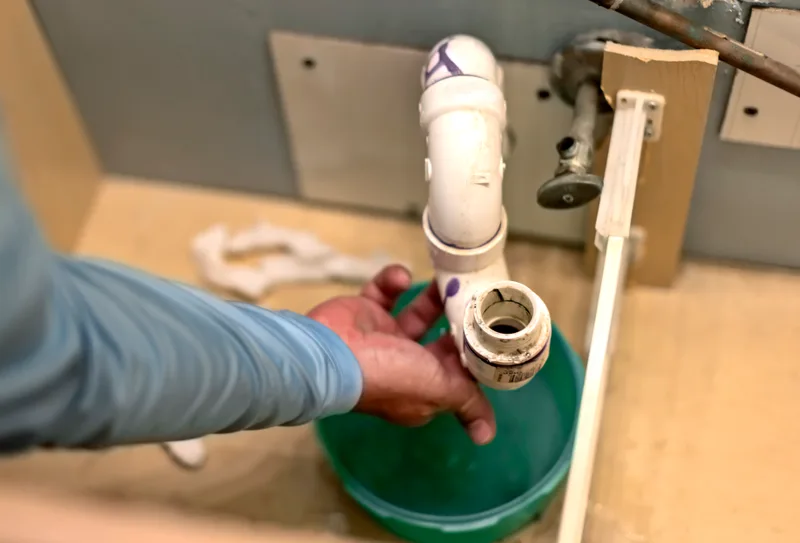
A drip under a sink or behind a shower valve can wet a wall for months before anything shows.
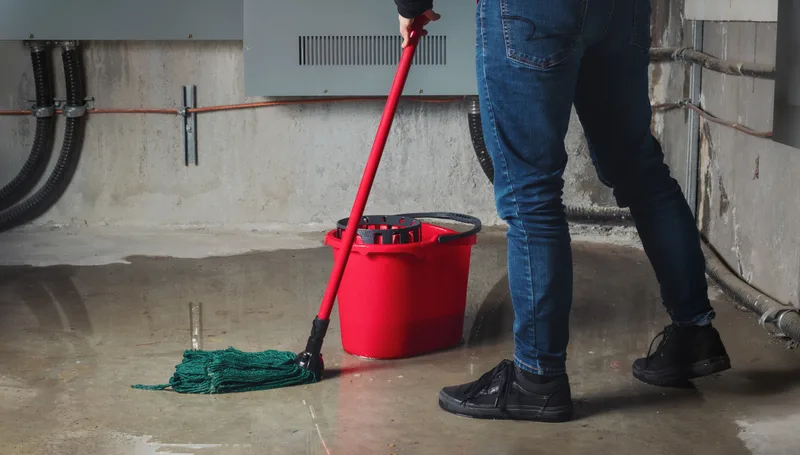
Building materials that stay wet for more than a day or two after a leak or flood are where growth usually starts.
Services
Each one ends with paperwork you can read: readings, photos, a scope and a price range.
Testing or remediation?
They get sold together a lot. They shouldn't always be. If you can see growth, a lab report won't change what needs to happen, and we'll tell you before you pay for one. Color doesn't tell you how harmful a mold is either. Any growth indoors gets the same answer: remove it and fix the moisture.
We're not doctors We can tell you where moisture and growth are and how to remove them. Whether mold is affecting someone's health is a question for their doctor. We're glad to send them our report.
Lab results, explained
Sample report, illustrative
Air samples, one afternoon
Outdoor baseline
4,200 total · 120 damp-building
The reference. Mostly types that live on leaves and soil.
Living room
1,900 total · 90 damp-building
Lower than outdoors with a similar mix. Normal.
Basement bedroom
6,800 total · 3,900 damp-building
Higher than outdoors, mostly damp-building types. Worth finding the source.
Containment and clearance
The point of containment is simple: dust from the work area should never reach the rest of your house. Here is the plan we set up in a typical bedroom.
Plastic containment wall Airflow Growth on the outside wall
Reviews
4.8 average of the 9 reviews on this site
Musty smell in the back bedroom closet. Dana found a slow leak at the shower valve behind the wall, showed us the readings on her meter, and said testing wouldn't tell us anything new. Report came the next morning.
Rosa A.Lacey · Inspection
Full suits, everything sealed, and the clearance test was done by an outside company. They replaced the vapor barrier and showed us the moisture readings after. No pressure to buy encapsulation.
Samuel O.Olympia · Crawl space mold
Got a careful walkthrough and a report that said fix the gutter, dry out the crawl space, and call back in spring if the smell stays. It didn't. We only paid for the inspection.
Janet W.Shelton · Inspection
Request a visit
Five short steps, photos welcome. We reply within one business day with a plain answer: clean it yourself, book an inspection, or plan the work.
Prefer to talk?
Priya answers the office line.
Water coming in right now? Shut off the supply if you can and call a water damage company first. Mold work comes after things are dry.