The journal · June 2026 · 4 min read
Why I Photograph Houses at Dusk
Every listing I launch is shot in the last forty minutes of light. This is not an aesthetic preference. It is pricing strategy.
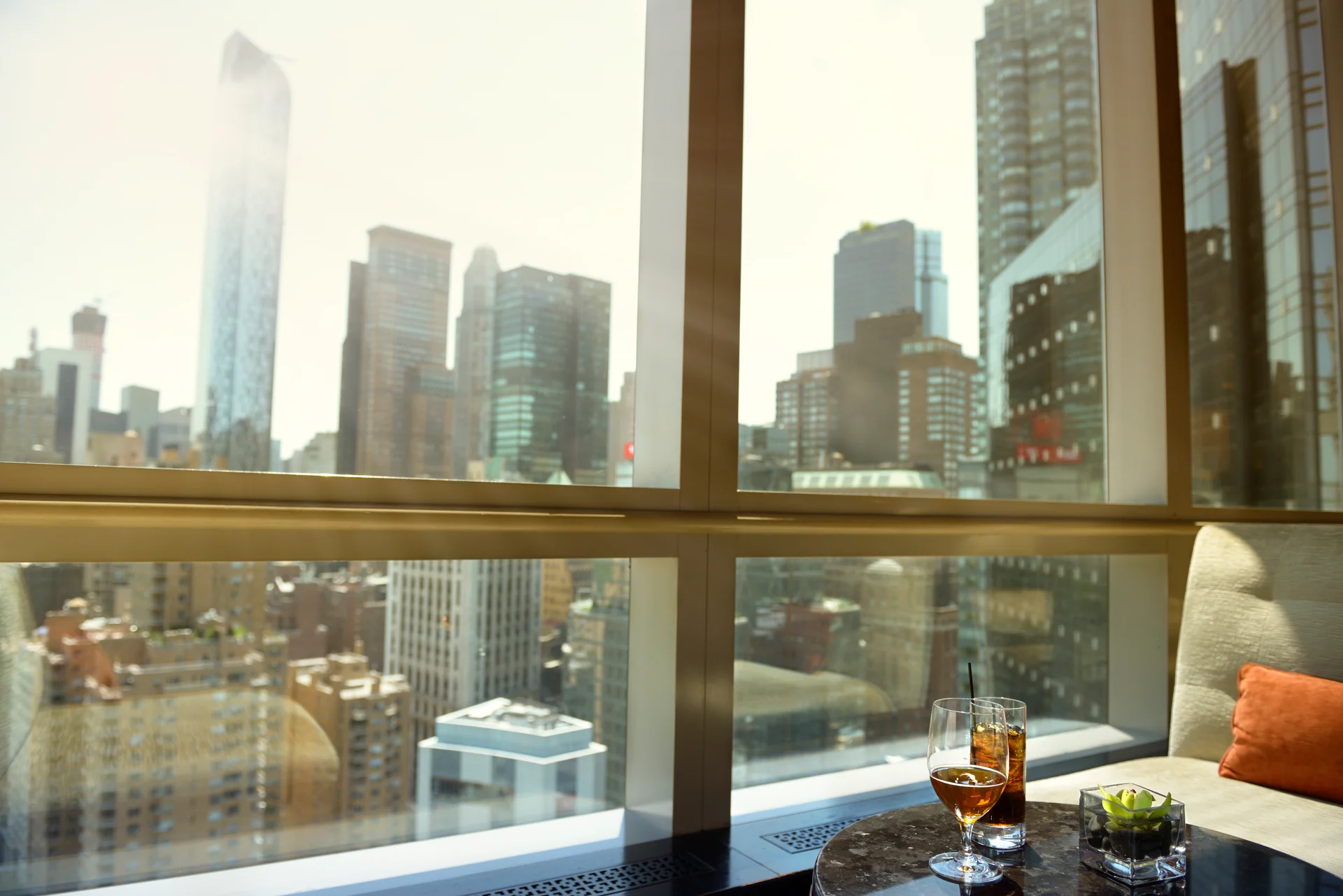
There is a forty-minute window, just after the sun drops, when a house does something no spreadsheet can: it glows from the inside. The windows go amber, the sky goes ink, and the photograph stops being a record of square footage and becomes a picture of an evening you might have.
Daylight tells the truth about a house — the roofline, the lot, the brochure facts. Dusk tells the truth about living in it. Buyers do not scroll listings at noon; they scroll at nine at night, tired, half-dreaming. A dusk photograph meets them in that exact frame of mind.
“Daylight tells the truth about a house. Dusk tells the truth about living in it.”
The numbers back the romance. Across my last thirty launches, dusk-led listings averaged four more first-weekend showing requests than my earlier daylight-led launches — enough, in a thin luxury market, to change the negotiating table entirely. Competition is not a marketing metaphor; it is two extra families at the same open house, visibly counting each other's shoes.
It costs more to shoot this way. Twilight gives you one usable window per day, so a full shoot takes three evenings — exterior, hero rooms, terrace — and the photographer I use charges accordingly. On a two-million-dollar listing the whole program is a rounding error against a single percentage point of sale price.
There is also a discipline hiding in the schedule: a house must be completely ready to photograph at dusk — staged, lit, lamps warm, every bulb matched. Preparing for the photograph prepares the house for everything that follows. By the time we launch, there is nothing left to apologize for.
So when you see one of my listings lit like a lantern against a blue-black sky, understand what you are actually looking at: not a mood, but a strategy — and the first move in the negotiation.
Olivia Voss
From the desk · Alderport