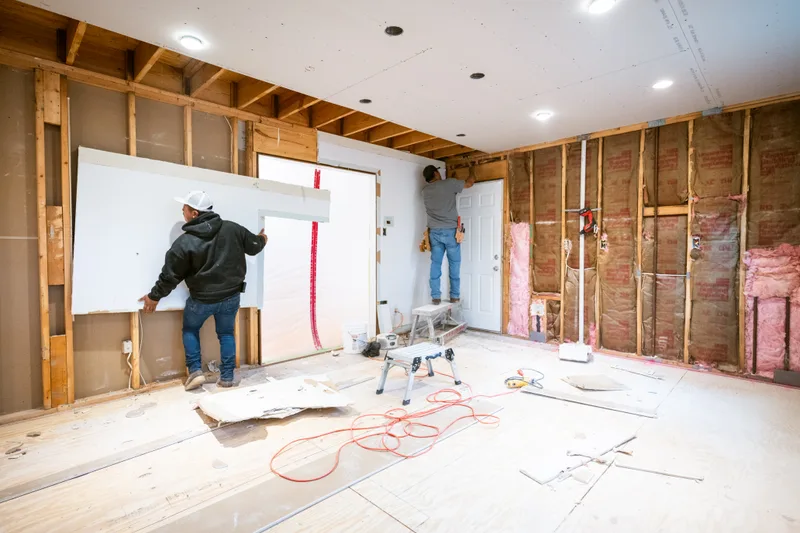
Sewage backup cleanup
Floor drain backups and toilet overflows are contaminated water. We remove it, take out what cannot be cleaned, sanitize and dry, with the safety gear the job needs.
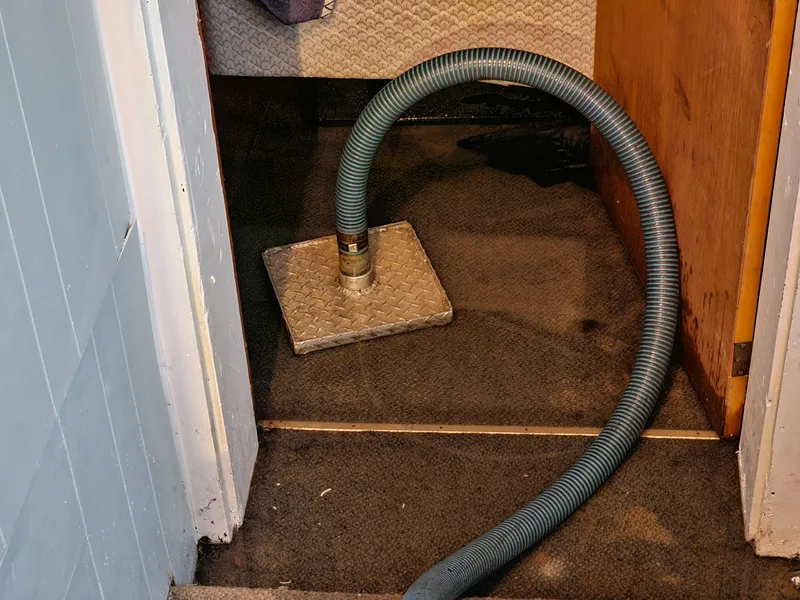
How we handle it
Sewage water carries bacteria and viruses, so it is handled differently from a clean water leak. Porous materials that it touched, like carpet, pad and the bottom of drywall, usually have to go. Hard surfaces are cleaned and sanitized. Our crew wears protective gear, keeps the area contained, and leaves you with a clean, dry space and a written list of what was removed.
Call us when
- Water or sewage came up through a basement floor drain
- A toilet or tub overflowed with dirty water
- Heavy rain caused a municipal sewer backup into your basement
- Your septic system backed up into the house
- There is a sewage smell after water was cleaned up by someone else
Before we arrive: safe first steps
- Keep children, pets and anyone unwell away from the affected area.
- Stop using water in the house: no taps, laundry, showers or flushing.
- Do not try to clean it with household cleaners or a shop vacuum.
- Wash your hands and change clothes if you came into contact with the water.
- Take photos of the water level and the affected items.
Our process, step by step
-
Step 1
Protect and contain
Protective gear, barriers and air filtration so contamination does not spread.
-
Step 2
Remove the water
Contaminated water is extracted and disposed of properly.
-
Step 3
Remove porous materials
Carpet, pad, lower drywall and insulation that the water touched are bagged and removed.
-
Step 4
Clean and sanitize
Hard surfaces and framing are cleaned and treated with sanitizers safe for homes.
-
Step 5
Dry with daily readings
The space is dried and checked every day until it reaches its dry goal.
-
Step 6
List and rebuild
A written list of removed items for your claim, then repairs when you're ready.
Sewage safety, in plain words
- Treat sewage water as unclean, even if it looks clear. It can carry germs that make people sick.
- Soft items that soaked in sewage, like rugs, mattresses and stuffed toys, usually cannot be saved.
- If anyone feels unwell after contact with the water, call 811 or your doctor.
Insurance basics
Sewer backup is usually not part of a basic home policy. In Canada it is often an add-on, sometimes called a sewer backup endorsement. If you have it, report the loss quickly. If you are not sure, your broker can tell you.
General information only. We are not your insurer or your adjuster, and we cannot tell you what your policy covers.
How claims usually workWhat it usually costs
Typical ranges in Canadian dollars, before tax. Assessments and written estimates are free.
| Job | Typical range |
|---|---|
| Floor drain backup, one area Extraction, removal, sanitizing, drying | $2,000 to $5,000 |
| Finished basement Flooring and lower walls removed, full sanitizing | $5,000 to $14,000 |
| Toilet overflow, one bathroom Includes subfloor check | $900 to $2,500 |
| Rebuild after cleanup Drywall, flooring, trim | Quoted after drying |
Ranges are for homeowners paying directly. Contaminated jobs cost more than clean water jobs because more material has to be removed and handled safely. See all costs.
Common questions
Can my carpet be cleaned instead of replaced?
Not after a sewage backup. Carpet and pad that soaked in contaminated water can't be made safe, so they are removed. Hard flooring can sometimes be cleaned and kept.
Is it safe to stay in the house?
Usually, if the affected area is closed off and you can use another bathroom. If the only bathroom is affected, ask your insurer about additional living expenses.
How do I stop it happening again?
A backwater valve is the most common fix for municipal sewer backups. We can explain the options and refer you to a licensed plumber.
Other services
24/7 emergency line
Need help with sewage cleanup?
Call the 24/7 line and a person will answer. If the damage has already stopped, the online intake takes about three minutes and we call you back.