Water damage restoration
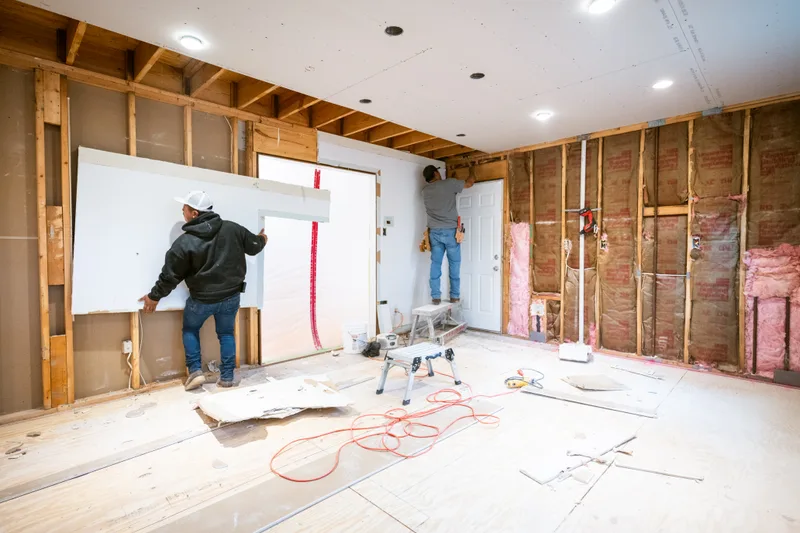
Burst pipes, leaking water heaters, ice dams and overflowing appliances. We stop the spread, pull out the water and dry the structure with daily readings until it is truly dry.
How we handle it
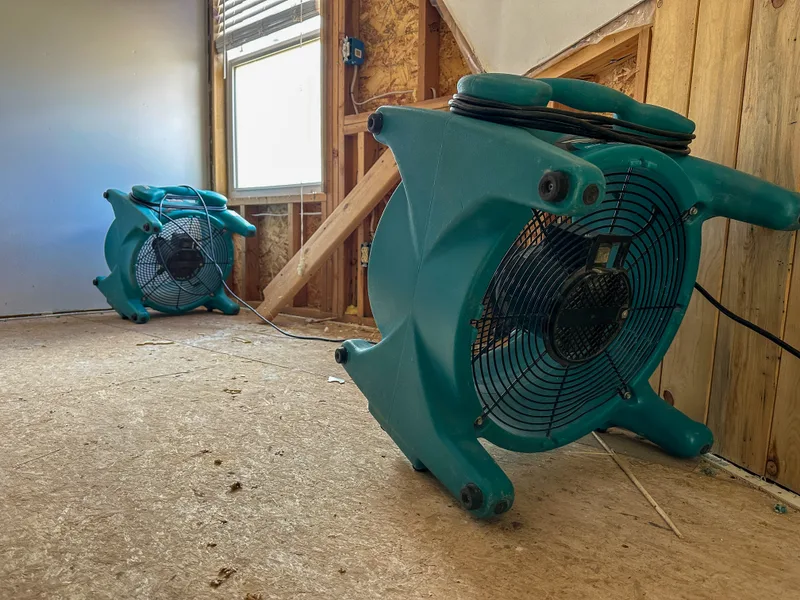
Water moves fast and hides in places you cannot see: under flooring, inside wall cavities, along the top of a foundation. The first day matters most. Our crew removes standing water, opens up only what has to be opened, and sets drying equipment sized to the room. Then we come back every day to take moisture readings and adjust. You get the numbers, not a guess.
Call us when
- A pipe has burst or a fitting is leaking inside a wall or ceiling
- Your water heater, washer or dishwasher has leaked across the floor
- Water came through the ceiling from an upstairs bathroom or an ice dam
- Carpet or flooring is still wet a day after a spill or leak
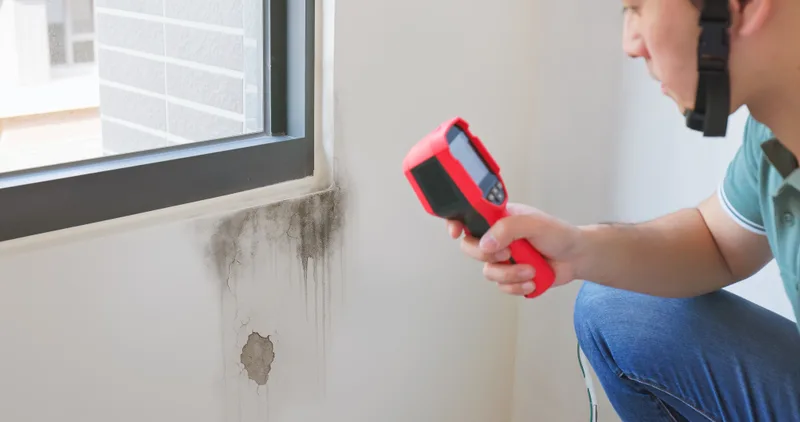
- You see bubbling paint, a sagging ceiling or a damp musty smell
Before we arrive: safe first steps
- Shut off the main water valve. In most Halifax homes it is in the basement near the front wall, where the water line enters.
- If water is near outlets, cords or the electrical panel, do not walk through it. Only switch off breakers if you can reach the panel from a dry spot.
- Move rugs, electronics, photos and papers off the wet floor and up high.
- Take photos and short videos of everything before anything is moved or thrown out.
- Do not use a household vacuum on standing water.
Our process, step by step
-
Step 1
Stop the source
We find and isolate the leak, or call in a plumber we work with, before anything else.
-
Step 2
Extract
Truck-mounted and portable extractors remove standing water from floors, carpet and pad.
-
Step 3
Map the moisture
Meters and a thermal camera show where water travelled. We mark it and photograph it.
-
Step 4
Open only what's needed
Wet baseboards or a strip of drywall may come off so the cavity can dry. We explain each cut first.
-
Step 5
Dry with daily readings
Air movers and dehumidifiers run while we check readings every day and move equipment as areas dry.
-
Step 6
Sign-off and repairs
When readings match dry areas of your home, we remove equipment and quote the repairs.
A sample drying log
You get readings like these every day. Equipment comes out when the numbers match a dry, unaffected part of your home, not before.
Sample readings for illustration. Wood subfloor, basement family room, % moisture content, dry goal 15%.
Water safety, in plain words
- Water and electricity do not mix. Stay out of standing water that is near outlets, cords or the panel.
- Clean water from a supply pipe becomes less clean the longer it sits. Water that sat for two or three days is treated more carefully.
- Ceilings holding water can come down. If a ceiling is sagging, keep people out of the room below.
Insurance basics
Sudden water damage, such as a burst pipe, is often covered by home insurance. Slow leaks over weeks often are not. Every policy is different, so call your insurer or broker to report it. We document everything they usually ask for.
General information only. We are not your insurer or your adjuster, and we cannot tell you what your policy covers.
How claims usually workWhat it usually costs
Typical ranges in Canadian dollars, before tax. Assessments and written estimates are free.
| Job | Typical range |
|---|---|
| Single room, caught early Extraction, drying set-up, daily readings | $1,200 to $3,000 |
| Finished basement Carpet and pad, lower drywall cuts, 3 to 5 days drying | $3,500 to $9,000 |
| Ceiling leak across two floors Ceiling and wall cavities, multiple rooms | $4,000 to $12,000 |
| Repairs after drying Drywall, paint, baseboard, flooring | Quoted after drying |
Ranges are for homeowners paying directly. Insurance jobs are priced to the insurer's guidelines. Your written estimate comes after we see the damage. See all costs.
Common questions
How long does drying take?
Most rooms reach their dry goal in three to five days. Hardwood, plaster and concrete can take longer. We show you the readings each day so you can see the progress.
Will you have to remove my drywall?
Not always. If water got inside the wall, a strip at the bottom may come off so the cavity can dry. We show you the readings and explain before we cut.
Can I stay in my home while it dries?
Usually, yes. The equipment is noisy and warm. If the damage affects your only bathroom or kitchen, ask your insurer about additional living expenses.
Other services
24/7 emergency line
Need help with water damage?
Call the 24/7 line and a person will answer. If the damage has already stopped, the online intake takes about three minutes and we call you back.