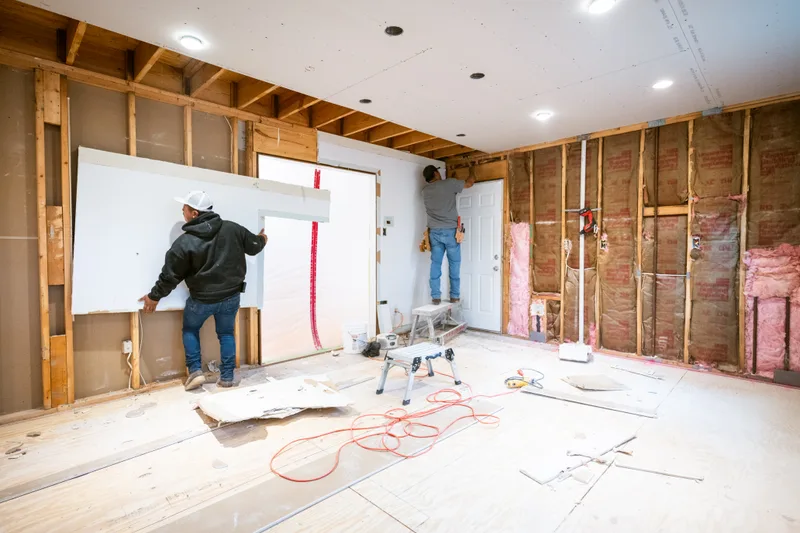
Storm damage repair
Hurricanes, nor'easters and sudden downpours. We tarp roofs, board windows, and dry what got wet, with a crew that stays on call through the storm.
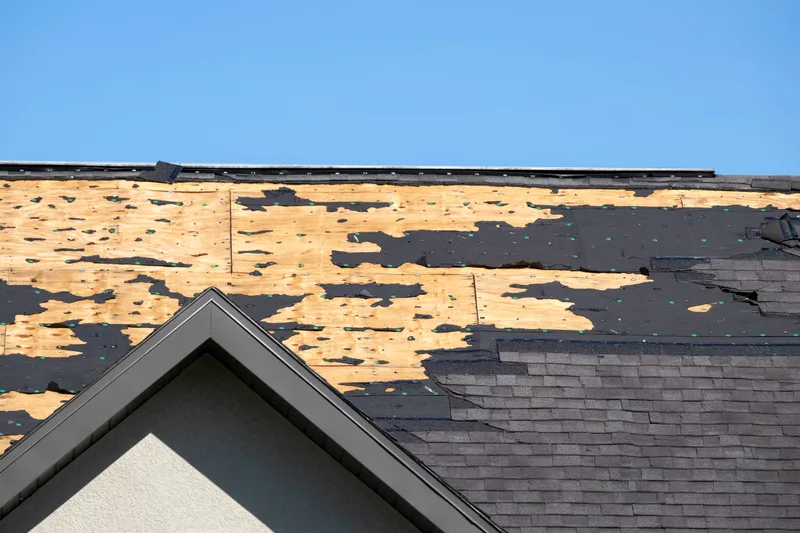
How we handle it
Storm work comes in waves. When a big system hits the harbour, every roofer and restorer gets busy at once. We keep tarps, plywood and drying equipment staged before the season, and we triage calls by risk: water actively coming in first, then homes that are secure but wet. We will always tell you honestly where you are in the queue.
Call us when
- Shingles or roof sections are missing and rain is coming in
- A window or door is broken and the home is open to the weather
- Water came in through a basement window well or foundation during heavy rain
- A tree or large branch has come down on the house
- Siding or soffits are damaged and you are not sure what is behind them
Before we arrive: safe first steps
- Stay away from downed power lines and anything touching them. Report them to the utility.
- Take photos of the damage from a safe spot before any temporary repairs.
- Put buckets and towels under drips and move belongings away from wet areas.
- Do not climb on the roof during or right after the storm.
- Keep receipts for anything you buy to protect the home. Insurers often ask for them.
Our process, step by step
-
Step 1
Triage by risk
Active water inside first, then open structures, then homes that are secure but wet.
-
Step 2
Make it weather-tight
Roof tarps and window or door board-up, photographed before and after.
-
Step 3
Remove debris
Branches and debris cleared from the structure. Tree removal coordinated with arborists.
-
Step 4
Dry the inside
Extraction and drying with daily readings, the same as any water job.
-
Step 5
Document for your claim
Photos, measurements and notes your insurer usually asks for.
-
Step 6
Permanent repairs
Roofing, siding and interior repairs quoted, or handed off to your contractor.
Storm safety, in plain words
- Downed lines can be live even when they are not sparking. Keep everyone at least 10 metres away.
- Generators belong outside, well away from windows and doors. Exhaust fumes can kill.
- Basement water after a storm may contain sewage. Treat it as unclean until we test it.
Insurance basics
Wind damage to a roof is commonly covered. Water that comes in from the ground, called overland water, is often a separate add-on in Canadian policies. Ask your broker which one applies to you.
General information only. We are not your insurer or your adjuster, and we cannot tell you what your policy covers.
How claims usually workWhat it usually costs
Typical ranges in Canadian dollars, before tax. Assessments and written estimates are free.
| Job | Typical range |
|---|---|
| Emergency roof tarp Most single-family homes | $450 to $1,200 |
| Window or door board-up Per opening, materials included | $250 to $800 |
| Interior drying after storm water See water damage ranges | $1,200 to $9,000 |
| Tree on the house Coordinated with an arborist, priced on site | Quoted on site |
Ranges are for homeowners paying directly. During a major storm, temporary repairs come first and permanent repairs are scheduled after. See all costs.
Common questions
How fast can you tarp my roof?
On a normal day, usually the same day. During a major storm we triage by risk, so active leaks come first. We will give you an honest window when you call.
Do you do permanent roof repairs?
Our rebuild team handles smaller roof and siding repairs. For full roof replacements we coordinate with roofers we trust, or with yours.
Should I wait for the adjuster before calling you?
No. Most policies expect you to prevent further damage. Make-safe work like tarping is usually done before the adjuster visits. Keep the receipts and photos.
Other services
24/7 emergency line
Need help with storm damage?
Call the 24/7 line and a person will answer. If the damage has already stopped, the online intake takes about three minutes and we call you back.