Key facts
- Landscaping businesses grow on two engines at once: high-ticket design-build or hardscape projects, like patios and retaining walls, and recurring lawn-care or maintenance contracts that smooth seasonality.
- Demand is highly seasonal, with a clear spring rush and a fall cleanup surge, and intensely local, since a homeowner almost always searches near me rather than comparing companies citywide.
- Buyers are unusually photo-driven for a home service; project photos and reviews commonly do more to win the click and close the sale than price alone.
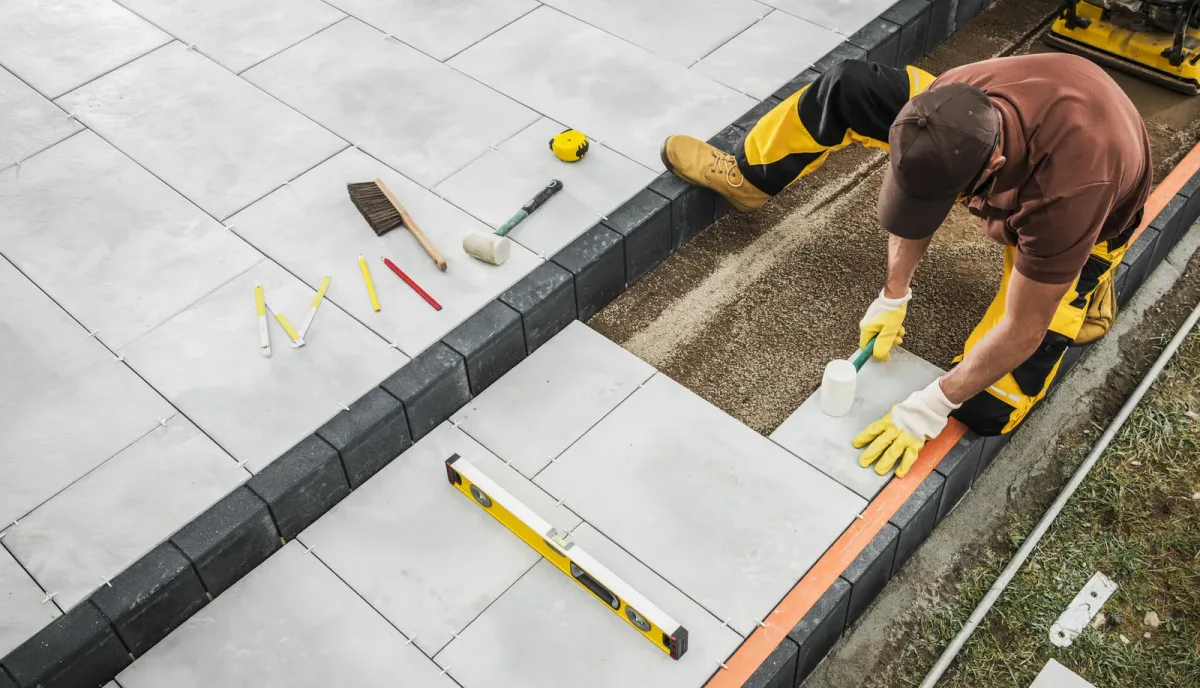
- A completed landscaping project is its own visible advertising, since neighbors and passersby see finished patios, retaining walls, and yards, which fuels word of mouth without any marketing spend.
- Converting a one-time design-build client into a signed maintenance contract builds the recurring revenue base that carries a landscaping business through the slower winter months.
Where Landscaper Clients Actually Come From
Local search dominates how new landscaping clients find a company, since a homeowner planning a patio, a full yard redesign, or simply weekly mowing almost always searches 'landscaper near me' or 'landscaping company in [city]' rather than comparing options across an entire region. Because the work is inherently visual, the companies with the strongest photo presence in their Google Business Profile and search results tend to win a disproportionate share of these clicks.
Neighborhood word of mouth is a channel most landscapers underrate, but a finished project, a new patio, a retaining wall, a redesigned front yard, sits visibly in front of every neighbor and passerby for years, which quietly generates its own leads without any additional spend. This effect compounds fastest in tight-knit residential neighborhoods where people regularly compare notes on contractors.
Homebuilders and real estate agents round out the picture in growing areas, since new construction often leaves a bare, unfinished yard that the buyer needs landscaped soon after moving in. A relationship with a builder or a few agents active in new-development sales can produce a steady drip of install leads timed to exactly when a homeowner is ready to spend on their yard.
Existing design-build clients are the third channel, though it's often missed: someone who just paid for a hardscape install is a warm, ready audience for a recurring maintenance contract, yet many landscapers never make that offer and let the relationship end at the final invoice.
What to Set Up in Your First 30 Days
Build out a photo-heavy Google Business Profile and a portfolio page with clear before-and-after project photos, since buyers in this category are unusually influenced by seeing real, finished work rather than reading a description of your services.
Request a review and fresh project photos immediately after each completed job, while the client is still excited about the result, rather than weeks later when the moment has passed. Make offering a maintenance contract a standard step at the end of every design-build project, framed as protecting the investment they just made, rather than a separate upsell conversation. Finally, plan your marketing calendar around the seasonal rush: begin building visibility and ad spend ahead of spring demand, not once competitors have already captured it.
It also helps to sort your service area into a short list of neighborhoods where you already have finished projects, and concentrate your earliest marketing there before expanding outward. Density of visible, local proof tends to convert better than the same budget spread thinly across a much wider area with no completed projects to point to yet.
Which Paid Channel Works, and Which Wastes Money
Google Ads targeting seasonal, high-intent terms, 'landscaping company near me' or 'patio installation in [city]', tend to perform especially well when timed to start just ahead of the spring rush, capturing homeowners as they begin planning rather than competing for attention once every local company is already advertising.
Running the same flat budget straight through the off-season is the more common way landscapers waste money, since search volume and buying intent both drop sharply outside the spring and fall windows, and dollars spent chasing installs in the dead of winter typically produce a much weaker return than the same dollars spent on maintenance-contract renewals during that period instead.
A second common waste is running identical ads for high-ticket design-build work and low-ticket weekly maintenance from the same campaign and budget. The two attract very different buyers with very different decision timelines, and blending them together usually means the ad copy speaks clearly to neither audience.
The One Metric to Actually Track
Track signed maintenance contracts as a percentage of completed design-build installs, not just the number of one-time install leads generated. Maintenance contracts are what smooth the seasonality that otherwise starves cash flow through the winter months, so a business that only measures new install leads can look busy in summer and quiet all winter without realizing the fix was available the whole time.
If that conversion percentage is low, the fix is usually process, not marketing: make the maintenance offer a default part of every completed project rather than something clients have to ask about. A free SearchPod proposal builds a photo-driven local presence, seasonally timed ad spend, and a review-generation system designed to support both install leads and maintenance-contract conversion, on a month to month engagement with a 30-day guarantee.
It also helps to review this percentage by crew or by salesperson if your business has grown beyond a single owner-operator, since the habit of offering a maintenance contract at completion is a coachable behavior, not a fixed trait of the business, and a team member who consistently forgets to offer it is a fixable gap, not a lost cause.
It also helps to check this conversion rate against the season a project was completed in, since a client whose install finishes in early spring has a very different, more immediate reason to sign a maintenance contract than one whose project wraps up right before the ground freezes for winter.
A simple fix for that timing gap: for installs completed late in the season, frame the maintenance offer around spring startup, the first mow, the first seasonal cleanup, rather than immediate service, so the client says yes to a plan now instead of a service they don't need for several months.
Reviewing signed contracts against completed installs by month, rather than only at year end, also makes it easy to catch a slipping conversion rate early enough to fix the offer or the timing before an entire season's worth of clients have already been missed.
Related questions
Very important. Buyers in this category are unusually visual, and clear before-and-after project photos in a Google Business Profile or on a website commonly do more to win the click and close the sale than a written description ever could. Fresh photos after every job keep this asset current and convincing.
Most landscaping businesses get a better return timing their heaviest ad spend just ahead of the spring rush and again before fall cleanup season, since search volume and buying intent for installs drop sharply in the off-season. Winter budget is often better spent nurturing maintenance-contract renewals instead of chasing scarce new installs.
A client who just paid for a hardscape or full install is a warm, ready audience for ongoing maintenance, and converting even a portion of these one-time clients builds the recurring revenue that carries a business through the slower winter months, when new installs are genuinely hard to sell to anyone.
Yes, and it's often underrated. A finished patio, retaining wall, or redesigned yard is visible to every neighbor and passerby for years, quietly generating interest and referrals without any additional marketing spend, which is why quality workmanship functions as its own long-running advertisement for the business, long after the crew has moved on to the next job.
Treating every project as a one-time sale and never offering a maintenance contract at completion. This leaves recurring revenue on the table and means the business has to keep winning new install leads from scratch every season instead of building the steady, recurring base that smooths seasonal cash flow year round. The fix costs nothing beyond a habit change: build the maintenance offer into the closing conversation of every design-build project, rather than treating it as a separate sale that has to be won all over again weeks or months later.
Want a second opinion on your situation?
Get a free, no-obligation proposal. We’ll look at your site and your market and tell you honestly what we’d do — and what we wouldn’t.
Get your free proposal