Key facts
- Anyone preparing food commercially, including in a client's home, generally needs a food handler certification, such as ServSafe in the US or the equivalent provincial certification in Canada, and clients increasingly ask to see it before hiring.
- Personal chef work typically splits into two distinct models, recurring weekly meal prep for households and one-off bookings for dinner parties or special events, and each attracts a different kind of client through different channels.
- Referral partnerships with dietitians, personal trainers, and luxury concierge services are a common source of recurring meal prep clients, since these professionals regularly work with people who want help executing a specific eating plan.
- Food photography carries unusual weight in this category, since a potential client deciding whether to let someone cook in their home relies heavily on seeing the actual quality and presentation of past meals.
- A meaningful share of searches for "personal chef" come from people looking for chef employment or training, not households looking to hire one, which can quietly waste ad budget if targeting isn't specific.
Where Personal Chef Clients Actually Come From
Referral partnerships punch above their weight in this category. Dietitians and personal trainers often work with clients trying to follow a specific eating plan but who don't have time to cook it themselves, and a chef who can reliably execute that plan is a natural referral for them to make. Luxury concierge services and property managers serving high end clients are another steady source, particularly for recurring household meal prep.
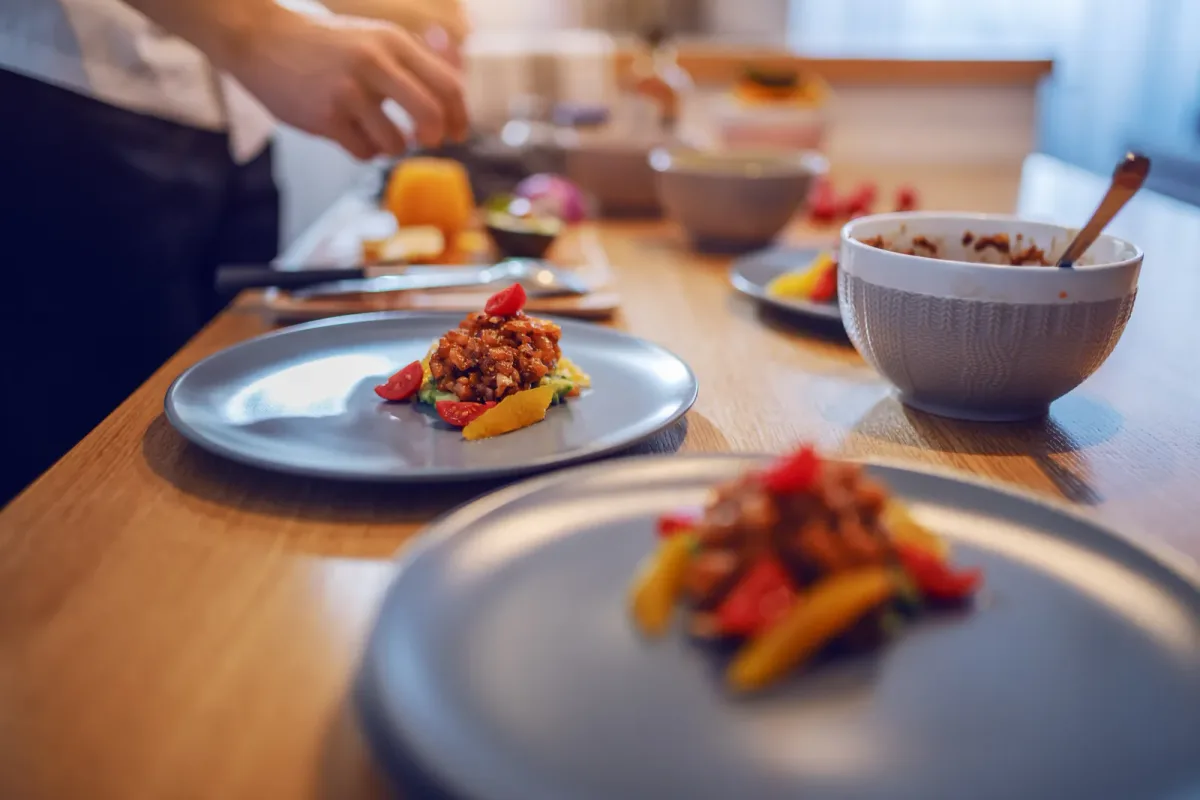
Food photography does a lot of the persuading before a client ever reaches out, since letting someone cook in your home is a trust decision, and seeing real, well presented meals from past clients reduces that uncertainty more than a written description ever could. Instagram tends to be the most useful platform for this, especially when paired with short behind the scenes clips of the actual cooking process.
Word of mouth spreads unusually well within tight social circles and neighborhoods, since hosting a dinner party with a personal chef or having a beautifully organized fridge full of prepared meals is the kind of thing people naturally mention to friends. A satisfied client in an affluent building or neighborhood can lead to several more within the same small circle.
What to Set Up in Your First 30 Days
Get your food handler certification current and visible on your website or profile, since this is one of the first things a serious household client will ask about, especially for a recurring weekly arrangement rather than a single event.
Decide clearly whether you're building a recurring meal prep business, a one-off event business, or both, since the marketing, pricing, and client conversations differ meaningfully between the two. A weekly meal prep client wants consistency and dietary compliance, while an event client wants a memorable menu and presentation for a specific occasion.
Build a portfolio of real, well photographed meals, and reach out directly to a handful of local dietitians, trainers, or concierge services to introduce your services, explaining specifically how you handle dietary restrictions or plans they might be referring clients for.
Which Paid Channel Works, and Which Wastes Money
Building referral relationships and investing in strong food photography tends to return more than paid advertising for most personal chefs, since trust and taste are hard to convey through a generic ad, and a referral from a trusted professional or friend already carries most of the persuasion.
Broad Google Search ads on the term "personal chef" can waste money, partly because a meaningful share of that search volume comes from people researching how to become a personal chef or looking for chef jobs, not households looking to hire one. Narrowing to specific intent, like "weekly meal prep chef near me" or "private chef for dinner party," filters for people much closer to actually booking.
Instagram and Pinterest ads showing real, high quality food photography to a local audience can work reasonably well, particularly around holiday and event heavy seasons when one-off booking demand rises.
The One Number to Track: Recurring Meal Plan Percentage
Track the percentage of your active client base on a recurring weekly or biweekly meal plan versus clients booked for a single event. Recurring clients provide predictable, planned income, while one-off event clients have to be replaced constantly, so this ratio reveals how stable your income actually is month to month.
If your business is almost entirely one-off events, it may be worth deliberately building referral relationships aimed at recurring meal prep clients to add stability, even if events remain a valuable and enjoyable part of the work. A healthy mix, weighted toward recurring clients, tends to make revenue far more predictable than a calendar filled purely with one-off bookings.
Related questions
A food handler certification, such as ServSafe in the US or the applicable provincial certification in Canada, is generally required for anyone preparing food commercially, including in a client's home. Some clients also value formal culinary training or experience, though this isn't usually a legal requirement the way food safety certification is.
Many personal chefs do both, but it's worth being intentional about which one you actually want to build your marketing around, since the client conversations and pricing differ quite a bit. Weekly meal prep tends to offer steadier income, while events can pay well individually but require constantly finding the next booking.
A direct introduction that explains specifically how you handle dietary restrictions, food allergies, or a particular eating plan tends to work better than a general pitch. Offering to prepare a sample meal or menu for them to try can also help them feel confident recommending you to their own clients.
Often yes, since demand for one-off event bookings, dinner parties, holiday meals, and special occasions tends to rise around major holidays. Advertising and outreach timed a few weeks ahead of these periods, when people are actively planning, usually performs better than the same effort spread evenly across a quiet month.
Reviews help, but real food photography and referrals from trusted people, dietitians, trainers, friends, tend to carry more weight in this category, since letting someone cook in your home is a more personal trust decision than most other services. A strong portfolio and a handful of genuine, detailed reviews usually do more than a large volume of short ones.
Want a second opinion on your situation?
Get a free, no-obligation proposal. We’ll look at your site and your market and tell you honestly what we’d do — and what we wouldn’t.
Get your free proposal