How to pick a glass shop agency that wins emergency repair calls and closes shower door shoppers who went quiet.
Why a generalist home services agency misses how a glass shop actually books work
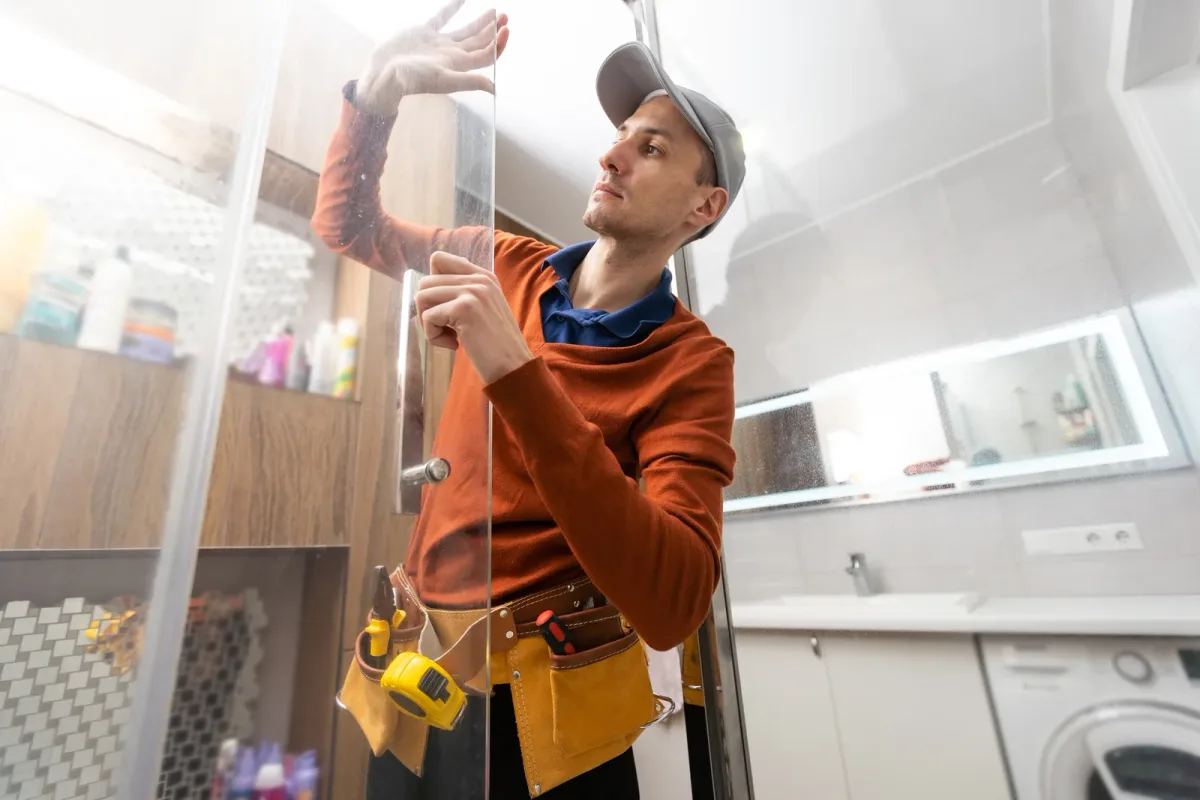
A smashed storefront window and a frameless shower door are really two different businesses sharing one shop, and they don't sell on the same clock. That misses the fact that you're really running two different businesses under one roof. Urgent repair work, a broken window or a smashed storefront at 2am, gets won by whoever's the first trusted name in the map pack, full stop. Planned, photo-driven projects like frameless shower doors run on a completely different clock, where shoppers compare a few shops and go quiet before deciding. An agency that builds one generic plan for both is going to underserve at least one of them.
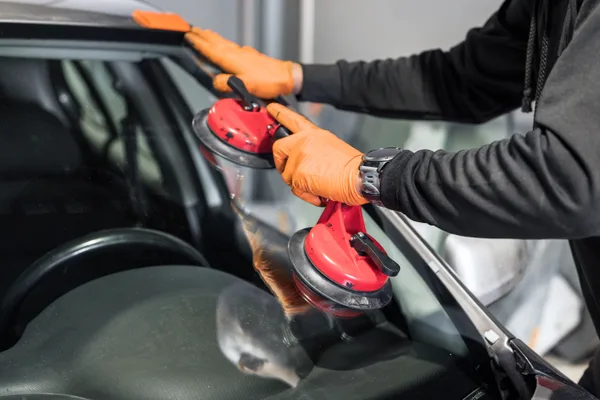
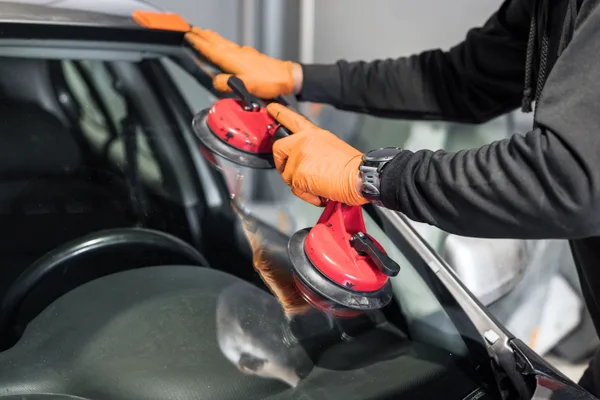
The second thing generalists miss is your niche. This site's own auto-glass page is windshield-only, and the window-replacement page covers full window units. Your business sits in the space between them: shower doors and enclosures, custom mirrors, glass railings, tabletops and shelves, foggy-window glass swaps, and commercial storefront glass with emergency board-up. An agency unfamiliar with that distinction will write copy that reads like a windshield-repair shop or a window installer, not a glass and mirror company.
Third, a lot of your leads likely flow through contractors, remodelers, and designers, and that's a real risk hiding in plain sight. It feels fine until a project slows down or a builder relationship cools, and an agency that doesn't help you build a system that owns local search directly is leaving your schedule dependent on two or three other businesses instead of on your own marketing.
Planned project pricing also plays a real role in how shoppers behave. A frameless shower door commonly runs somewhere in the range of $1,000 to $3,300 installed, and a purchase at that size is exactly why people compare a few shops instead of booking the first one they find. An agency that doesn't plan for that comparison window with strong galleries and timely follow-up is treating a considered purchase like an impulse buy.
The first question to ask any agency you're considering
Ask directly: 'How would you win the call the moment a storefront window breaks, and how would you keep a shower-door shopper warm while they compare three other shops?' Both of those are real, different jobs, and an agency that only has a plan for one of them is only solving half your business.
A strong answer describes fast-response local SEO and ads built to catch an urgent glass emergency the instant it happens, since that call goes to whoever answers first, plus a follow-up and gallery strategy built to keep a shower-door or railing shopper engaged during the days or weeks they spend comparing options.
Follow up by asking how they'd help you reduce reliance on the two or three contractors currently feeding you work. An agency with no plan to build your own local search presence is leaving you exposed the moment one of those relationships slows down.
A third good question is whether the agency understands where your business actually ends and where auto-glass or full window replacement begins. If they can't say plainly that your shop covers shower enclosures, custom mirrors, railings, tabletops, foggy-window swaps, and storefront glass, but not windshields and not whole window units, they're pitching you the wrong playbook from a neighboring niche.
Which channels actually book glass jobs, and in what order
Local SEO and a strong Google Business Profile should come first, targeting 'glass company near me' and a dedicated page for every service you sell, so you win the call without paying for every click, especially for the emergency searches that happen at odd hours. Google Ads should layer on top, aimed at your money work specifically, frameless showers, custom mirrors, glass repair, storefronts, with every call and quote request tracked back to the campaign that produced it.
A real photo gallery matters more here than in almost any other home-services niche, because a frameless shower door or a custom mirror project is a visual purchase. Shoppers who see your actual work, not stock photos, are far more likely to reach out and far more likely to trust you enough to wait for a quote instead of moving to the next name on the list.
Reviews and follow-up close the loop on planned projects. Since a shower door is a real purchase people compare before committing, strong reviews and a follow-up sequence win the shopper who stayed quiet for a week, not just the one who called immediately. Email also matters after the sale: the customer who bought a shower door often needs mirrors, railings, or tabletops later, and their friends and neighbors do too, but only if you stay in touch instead of letting that relationship go cold.
Do they understand your real numbers, not just call volume?
This niche doesn't run on one calendar, it runs on two clocks at once. Urgent repair demand is unpredictable and immediate, while planned project demand, like shower doors and railings, moves more like a considered home-improvement purchase, with shoppers comparing quotes over days or weeks. An agency reporting one blended call count is hiding which of those two demands your marketing is actually serving.
The number that matters for planned projects is quote-to-close rate, not just quote requests. Shower doors commonly run in a wide price range once installed, which is exactly why shoppers compare several shops before deciding, and a shop that generates plenty of quotes but closes few of them has a follow-up problem, not a lead-generation problem.
Ask specifically how an agency would track commercial storefront and board-up accounts separately from residential jobs, since property managers tend to call whoever answers fastest and then keep calling that same shop for every future emergency. That's a steady, repeat revenue stream worth measuring on its own, not folding into your general residential numbers.
Also ask how they'd handle the fact that your business, unlike a plumber or an electrician, doesn't have a single obvious 'most profitable service' to chase. Frameless showers, custom mirrors, railings, and storefront glass all carry different margins and different sales cycles, and a flat, one-size campaign treats them as interchangeable when they aren't.
Red flags, and the ownership questions that protect you
Ask plainly who owns your website, your Google Ads account, your Google Business Profile, and your photo gallery. Everything should sit in accounts your shop controls, not an agency's own tools that would leave you rebuilding from scratch if you ever switched providers.
Be cautious of any agency that treats your glass and mirror business the same as a generic home-services client with no distinction from auto glass or full window replacement. If they can't speak specifically to shower doors, custom mirrors, railings, and storefront board-up as separate services with separate buyers, they haven't scoped your business at all.
Also watch for reporting that lumps urgent repair calls in with planned project quotes as one number. Those are two different sales motions with two different timelines, and an agency that can't separate them in reporting is hiding exactly where your schedule has open time.
Six questions to ask before you sign with a glass and mirror marketing agency
Run every finalist through these same six questions and compare how specific the answers are.
One: how would you win the call the instant a storefront window breaks? Two: how would you keep a shower-door or railing shopper engaged while they compare other shops? Three: how would you help me rely less on two or three contractor relationships for leads? Four: how would you track urgent repair calls separately from planned project quotes? Five: do I own my website, ad accounts, Google Business Profile, and photo gallery? Six: how would you follow up with past customers for mirrors, railings, or tabletops after their first job?
A glass and mirror shop that wins the emergency call and closes the shower-door shopper who went quiet is one whose marketing understands both clocks this business runs on. SearchPod set out to be that agency for glass and mirror shops: a mobile-first site with a real photo gallery, Google Ads and local SEO built around your actual services, and email and reviews that keep quotes moving and past customers coming back. Shops aren't locked into a signed contract, and your first month leans on a 30-day guarantee if the work doesn't hold up. A quick note sent to /get-proposal brings back a real proposal inside one business day.