How to pick a marketing agency that understands pet photography: seasonality, add on sales, and the trust that gets owners to book you.
Why a generalist agency misses what a pet photography studio actually sells
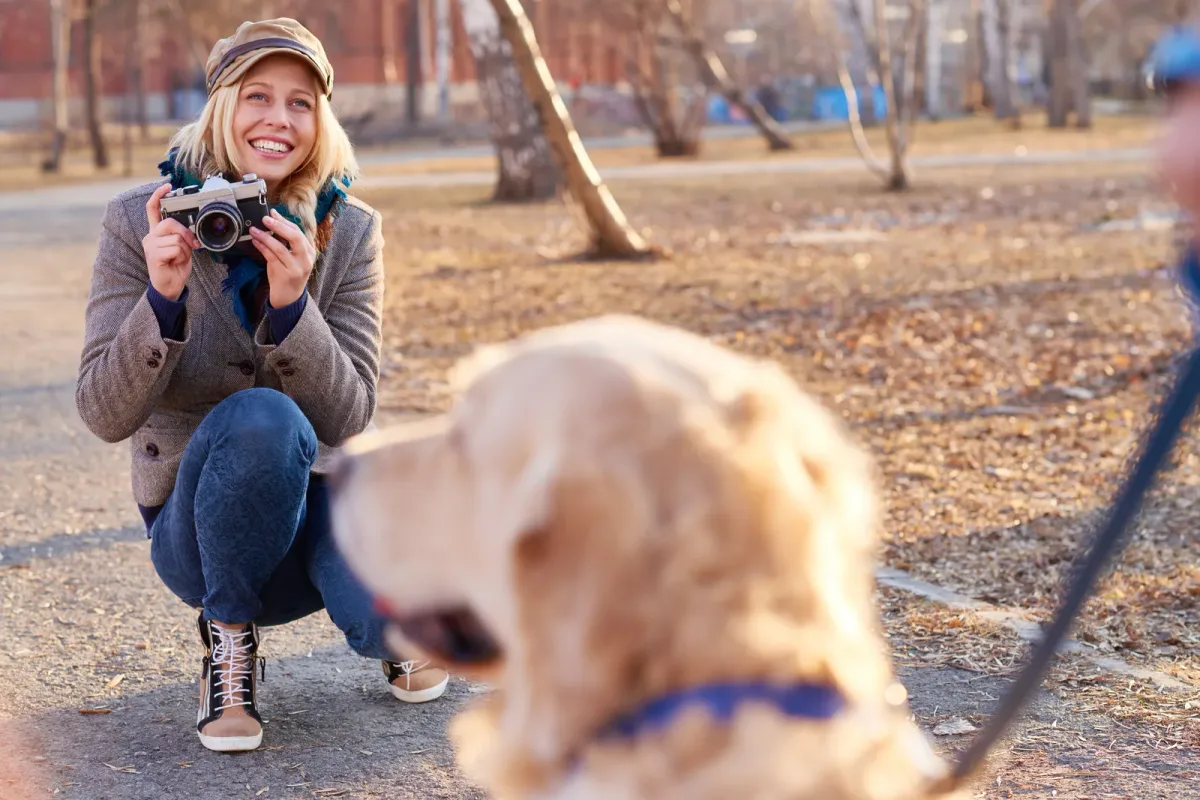
Hand your pet photography business to a generalist and you'll get a pretty portfolio site, a few social ads, and a request for reviews, nothing that actually gets an anxious dog to sit still long enough for a great shot. That leaves out the one thing that actually decides whether a pet owner books you. They are not just buying photos. They are trusting you to get a good result out of an animal that might be scared, distracted, or downright uncooperative for thirty straight minutes. Your marketing has to prove you can handle that, not just show that you can light a photo well.
This niche also sits in an odd spot. It is not the same as a wedding or portrait photographer, and it is not one of the ongoing pet-care businesses like grooming or boarding that sell a repeat relationship. A pet photography studio usually sells a session, plus a mix of add-ons afterward: prints, wall art, albums, holiday cards. An agency that has never worked with a studio that has to sell all of that at once, in one visit, will underprice the value of the follow-up and overprice the value of the first click.
The last thing generalists get wrong is the calendar. Many studios do more business in November and December, when holiday mini sessions for cards and ornaments can bring in more bookings than the rest of the year combined. If your agency is running the same flat plan every month, they are not planning around the swing that actually pays your bills, and they are leaving your slower months to chance.
The first question to ask any agency you're considering
Before you talk about ad budgets or website design, ask this: 'How would you get people to trust me with an anxious or reactive pet, not just book a pretty photo shoot?' Watch how they answer.
A studio's biggest hidden competitor is not another photographer. It is the idea that a phone camera is good enough. Pet owners increasingly think they can get a decent shot themselves, so your marketing has to sell the skill part: working with a dog who won't sit still, a cat who bolts at a shutter click, or a senior pet who tires fast. Reviews that only talk about how the final photos looked are not doing that job. Reviews that say something like 'incredibly patient with my rescue who is scared of everyone' are doing exactly that job.
An agency that has never thought about this will hand you generic photography-business copy and call it done. One that understands the niche will build your reviews, your galleries, and your ad copy around proving you can handle the animal, not just the camera.
Which channels actually fill a pet photography calendar, and in what order
Discovery for this business runs mostly through two lanes working together, not one. Social platforms, especially Instagram and Facebook, are where pet content naturally performs well and where owners scroll and fall in love with a shot before they ever search for anyone by name. Alongside that, local search matters just as much: 'pet photographer near me' and 'dog photographer [city]' are the exact phrases an owner types once they've decided to actually book something.
This niche is also small enough that it doesn't map cleanly onto the bigger photography categories an agency might already know. It isn't a wedding or portrait business, and it isn't one of the pet-service niches, grooming, boarding, sitting, that sell an ongoing relationship instead of a single session. Ask a candidate agency how they'd position you against a general photographer who also 'does pets on the side.' A studio that specializes should sound different from one that dabbles, and your marketing should say so plainly.
A smart plan also leans on referrals that already exist in your local pet economy. Groomers, vets, trainers, breeders, and rescues all cross paths with pet owners at emotional, photo-worthy moments, a new puppy, a big grooming glow-up, a senior pet's last good months. A studio that builds real relationships with those referral sources gets a steady trickle of bookings that never touched an ad budget. Most photographers treat this as a nice-to-have instead of a channel to actually build and measure.
Once someone lands on your site or profile, online booking and a simple, fast quote or session-info page matter more than they get credit for. A studio that makes someone wait on an email reply while a competitor has instant scheduling is losing bookings it never sees on a report. Reviews close the loop. Because pet owners are choosing someone to handle their nervous animal, not just a skilled eye, reviews and AI-search visibility now carry real weight in whether you're even considered.
Do they understand your seasonality and where the real money sits?
Ask any agency point blank: what's your plan for my slow months versus my holiday rush? Holiday mini sessions, cards, ornaments, family-and-pet portraits, can dwarf the rest of the calendar for many studios. An agency that spreads a flat budget evenly across twelve months instead of building toward that window, and toward spring senior-pet and new-puppy demand, is planning for a business that doesn't actually exist.
Session types themselves cluster into a handful of real categories worth marketing separately: puppy and kitten 'new pet' sessions, adult pet portraits, pet-and-owner or family sessions, and senior-pet or end-of-life memorial sessions. Most studios sell a mix of these rather than one single product, and a plan that treats them all the same misses that a family booking a memorial session and a new owner booking a puppy shoot are in completely different emotional places, and need different messaging to book with confidence.
The other number that matters is add-on revenue. Prints, wall art, albums, and extra-pet upcharges are frequently where a studio's real margin lives, not the base session fee. An agency that only measures how many sessions you booked, and never asks what the average sale per booking looks like after add-ons, is only looking at half your business.
Commoditization is the quiet threat behind all of this. Every year, more pet owners think a good phone photo is enough, which puts downward pressure on what people expect to pay for a session. A studio that markets only on price is racing to the bottom against a free camera in someone's pocket. The studios that hold their pricing sell the experience and the skill, not just the final image.
Red flags, and the ownership questions worth asking
The biggest warning sign in this niche is the same one that hurts small service businesses everywhere: an agency that builds your site on a platform only they control, or runs your ads from an account you can't access. If you ever want to leave, you should be able to take your website, your ad account, your Google Business Profile, and your client list with you. Anything less is designed to keep you stuck, not to keep you growing.
Watch for an agency that promises a specific number of bookings or guarantees you'll go 'viral.' Nobody can honestly promise that in a niche this dependent on word of mouth, seasonal timing, and local competition. Also watch for reporting that only shows likes and follower counts. Those numbers feel good and mean very little if they never turn into a booked session or a print sale.
Finally, ask who actually understands your referral network. A photographer who works with groomers, vets, trainers, and rescues needs an agency that treats those relationships as a real growth channel, not an afterthought. If an agency can't talk about that side of your business at all, they're running a generic photography playbook, not one built for you.
A short checklist before you sign with anyone
Run any agency you're seriously considering through these six questions and compare the answers side by side.
One: how would you market that I'm great with anxious, reactive, or hard-to-photograph pets, not just that my photos look nice? Two: what's your plan for my holiday rush versus my slower months? Three: how do you plan to help me sell prints, albums, and add-ons, not just book the session itself? Four: how will you build or support my referral relationships with local groomers, vets, trainers, and rescues? Five: do I own my website, my social accounts, and my client list, and what happens to them if we part ways? Six: how do you plan to help me compete with the idea that a phone camera is 'good enough'?
A vague answer to any of these is worth noticing. A studio's marketing has to sell trust with an animal, revenue beyond the base session, and a calendar that matches how this business actually moves through the year. SearchPod was built to be that agency for pet photography studios: a booking-ready website, Google Ads, SEO, and AI search built around how pet owners actually search, plus email and review automation that keeps your calendar full past the holidays. Sessions are booked with no contract standing in the way, and your first month is protected by our 30-day guarantee. A quick note at /get-proposal turns into an actual written proposal the next business day.