How a crime scene and biohazard cleanup company wins the urgent search and the referral network in 2026: a calm site, call-only ads, local SEO, insurance messaging, and careful reviews.
What marketing has to do for a crime scene and biohazard cleanup company
Nobody plans to hire you. The buying trigger is a death, an injury, or a discovery: an unattended death in an apartment, a suicide in a family home, a violent crime, a hoarding situation that has crossed into a health risk. The person who calls is either a family member in shock or a professional with a problem, such as a landlord, a property manager, or an employer. Neither is comparison shopping. They want a calm voice that says yes, we handle this, we can be there today.
That means marketing in this niche has a narrow job. Be findable in the hour that matters. Sound trustworthy in the first ten seconds. Make the next step obvious. And do all of that without a single graphic image or alarming word.
The decision maker splits by customer. For a family it is usually one adult child or a spouse, often calling from the funeral home parking lot. For a business it is the property manager or the owner, and their question is about speed, documentation, and whether you carry the right insurance and training. Both want to know one thing early: will insurance pay for this. Homeowners and renters policies often do cover trauma and crime scene cleanup after a death on the property, and most families have no idea. Saying “we work directly with your insurance” early is the single most useful line on your site.
The referral channel you compete with is also the channel you should court. Funeral homes, property managers, insurance adjusters, victim advocates, and police officers hear about the scene before the family searches for anything. Almost no customer needs you twice. So your business runs on two sources: the urgent search and the referral network. Marketing has to serve both.
The funnel, from the search to the cleared scene
The urgent path is short. Someone searches “crime scene cleanup near me,” “unattended death cleanup,” “biohazard cleanup [city],” or “trauma cleanup near me.” They see the map pack and the first ad. They call. In this niche the next step is not a quote form; it is a phone assessment. Your person on the phone asks what happened, where, how long ago, and whether there is an insurance policy. Then you give a rough scope, a time of arrival, and a promise to handle the claim paperwork. The crew arrives in an unmarked vehicle, does a walkthrough, and gets a signature. The job runs, the invoice goes to the insurer or the property owner, and the scene is released.
The referral path is longer and quieter. A funeral director or a property manager needs to know your name, your number, and that you answered fast the last time. That relationship is built by visits, a simple one-page leave-behind, and a short check-in email every month or two. When the next scene happens, they hand the family your card.
Tools are simple here. A call tracking number on every listing. A CRM or even a job board that logs the call source, the referral partner if there was one, the insurer, and the outcome. Some companies use restoration industry job software; many run on a shared calendar and a good phone. What matters more than the tool is that the phone is answered by a human at 3 a.m. An answering service trained on your script beats voicemail every time.
The website that earns a call from someone in crisis
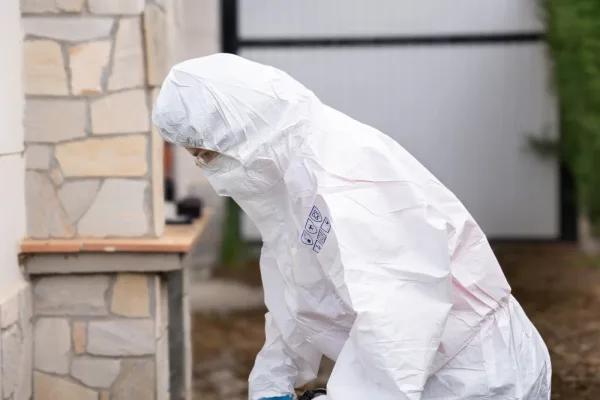
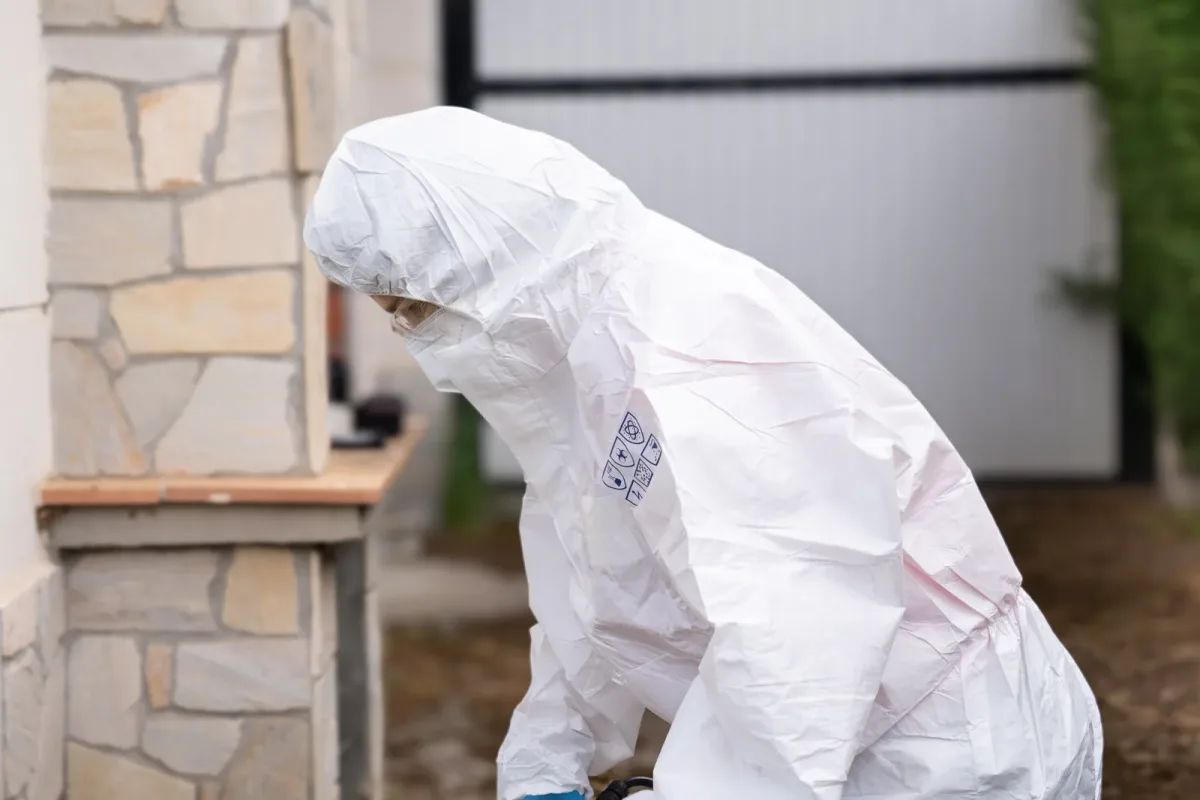
Calm is the design. Muted colors, plain type, no photos of scenes, no words like “gruesome” or “horrific.” The phone number sits at the top of every page and follows the reader on mobile. A line under it says “24/7, discreet, we work with your insurance.”
Pages you need: one page per service (unattended death cleanup, suicide cleanup, homicide and crime scene cleanup, blood cleanup, hoarding cleanup, biohazard and medical waste), a page on insurance that explains in plain words how a claim works and that you handle the paperwork, a page on your process from the first call to the cleared scene, a page on training and certifications in general terms (OSHA bloodborne pathogen training, proper biohazard transport and disposal, and the equivalent provincial rules in Canada), and a page for referral partners with a direct line and a downloadable one-sheet.
Proof in this niche is not a wall of five-star reviews, because almost nobody posts about hiring you. Proof is professionalism: unmarked vehicles, licensed disposal, a named owner with a short bio, years in business, the areas you cover, and the handful of reviews you do have, placed where a family will see them. A review that says “they were respectful and handled our insurance” carries more weight here than fifty reviews would for a plumber.
The form is a backup, not the main door. Keep it to name, phone, and “what happened, in a sentence.” Send a text back within a minute that says a person will call. Then make sure a person calls.
Google Ads and local SEO for rare, urgent searches
Search volume for these terms is low, but nearly every search is a real job. That changes the ad plan. Bid on the exact phrases: “crime scene cleanup near me,” “biohazard cleanup near me,” “unattended death cleanup,” “trauma cleanup,” “suicide cleanup service,” “blood cleanup service,” and “hoarding cleanup company.” Use call-only or call-first ads on mobile and run them 24 hours a day. Add “does insurance cover crime scene cleanup” as a phrase, because that question is a family about to call.
Leave out “jobs,” “training,” “certification,” “salary,” and “how to start,” which bring people who want to work in the industry. Leave out “crime scene photos” and “true crime.” Keep ad copy plain and free of anything that could trip Google's rules on shocking or graphic content: no descriptions of the scene, no images beyond your logo and your van.
Local SEO is where a small company can own its market, because so few competitors bother. Your Google Business Profile should use the closest cleaning or restoration category Google offers, list every service by its plain name, name every county and city you reach within a few hours, and carry photos of your team in gear, your unmarked vehicle, and your equipment. Post a short update monthly. Build a city page for each metro you serve and a service page for each job type, each written on its own, because a search in one city and a search in the next should land on a page that names the local coroner's office, the local police non-emergency line, and the drive time.
Reviews are thin across the whole industry. Five real ones with the right words put you ahead of competitors with none.
Follow-up, referral outreach, and asking for a review with care
For the family, the follow-up is service, not selling. A text confirming the crew's arrival window. A call after the walkthrough with the scope in plain words. An email with the insurance claim status. A final note when the scene is released, with a short line on what was done and who to call with questions. Nothing else. No drip campaign.
For the business customer, add a clean invoice, the disposal documentation, and a request to be listed as their vendor for next time.
For referral partners, the sequence is steady and low-key. A visit with a one-sheet. A monthly email with one useful item: a change in local rules, a reminder of your response time, a short story with no identifying details. A thank-you note after every referred job, sent to the person who referred it, within a day. Twice a year, a lunch for the office. This is the part most owners skip, and it is where most of the work comes from.
Reviews need a delay and a human decision. Do not automate a review request to a family who just lost someone. Weeks later, if the interaction was warm and the family thanked you, one short note from the owner is appropriate: “If you ever felt we helped, a few words on Google would help another family find us.” For property managers and business clients, ask right after the invoice clears. Their reviews are easier to earn and just as useful.
What to measure and a good first 90 days
Track calls by source: search ads, organic and map, and referral partner. Track cost per booked job from the paid side, and jobs per referral partner on the other. The monthly number to watch is booked jobs, split by source, and the share paid by insurance. That share tells you whether your insurance messaging is working. Also watch answer rate on the phone, because in this business one missed 2 a.m. call is one job gone.
A good first 90 days. Month one: the calm site goes live with service pages and the insurance page, the profile is completed with categories and photos, and call-only ads run around the clock on the exact phrases. The first calls from ads arrive in the first weeks, and the answering service is in place before the ads start. Month two: city pages publish, you visit five or ten funeral homes and property management offices with the one-sheet, and the referral email starts. Month three: the first referral job comes from that outreach, the map ranking climbs in a market with little competition, and you have enough calls to see cost per job by phrase. A small number of reviews from business clients appear.
SearchPod builds and runs this for cleanup companies at public prices. Google Ads management costs 10% of your ad budget, never less than $600 a month, and never marks up what you spend. SEO runs $50 for each page, starting at ten. Websites are one-time packages between $1,500 and $20,000+. No setup fee and no contract, the first 30 days are guaranteed, and a free proposal comes back in one business day.