How a TMS clinic reaches patients before they know TMS exists, gets them through insurance authorization, and keeps a full course on the calendar, with the numbers to watch.
What marketing has to do for a TMS clinic
Transcranial magnetic stimulation is a device treatment, not a drug. It is FDA-cleared for depression that has not responded to medication, and deep TMS is cleared for OCD. Most of the people who would benefit have never heard of it. That is the first thing marketing has to fix. Your patient is not searching “TMS.” They are searching “medication isn't helping my depression,” “treatment resistant depression options,” or “alternatives to antidepressants.” Marketing has to meet them there, introduce TMS, and walk them to a consult.
The buying trigger is a failed medication trial. Usually two or three. A patient has been on antidepressants for a year or more, switched once or twice, and still feels the same. Their psychiatrist may mention TMS, or they may read about it, or they may hear about ketamine clinics first, because ketamine clinics are chasing the same patient with louder ads.
The decision maker is the patient, but the gate is the insurer. Most US payers cover TMS only with documented proof of failed medication trials, sometimes failed therapy too, and prior authorization can take weeks. In Canada, provincial coverage varies and many clinics are private pay or bill through extended health plans. So the person who books a consult is not yet a patient. The person who clears authorization and sits in the chair for session one is.
The referral channel you compete with is the psychiatrist. A prescriber who knows and trusts your clinic sends patients directly. A prescriber who doesn't sends them to the national chain or says nothing. Marketing has to win patients on their own and win prescribers as well.
The funnel, from symptom search to a full course
Stage one is a symptom or medication-failure search. Stage two is education: a page that explains TMS in plain words and answers the ECT question, because many patients picture anesthesia and memory loss and stop there. TMS needs no sedation, and patients drive themselves home. Stage three is the consult request, by call or form, and here the clinic's own next step is an insurance check. Your front desk collects the plan, the medication history, and consent, and starts prior authorization. Stage four is the consult itself, often with a psychiatrist or nurse practitioner, followed by mapping, the first session where the coil position and dose are set.
Then the course. TMS runs near-daily, about five sessions a week, usually for around six weeks, with a taper at the end. That is the real unit of growth. An empty chair mid-course is a session you cannot resell. Reminders and rescheduling are marketing, because they protect the revenue you already won.
After the course, some patients return for maintenance sessions months later, and satisfied patients become the reviews that calm the next nervous caller.
Tools: your EHR handles scheduling and notes; some device makers ship their own patient tracking and outcome software with the machine. A simple CRM for consult requests, with the authorization status as a field, keeps people from vanishing during the wait. Text reminders the evening before each session are the single highest-return automation a TMS clinic runs.
The website that turns fear into a consult
Lead with reassurance and clarity, not technology. The first screen should say what TMS is, who it is for (people whose medication hasn't worked), that it is FDA-cleared, that there is no anesthesia, and that you check insurance for free. One button: “Book a consult.” One line under it: “Most insurance plans accepted with prior authorization.”
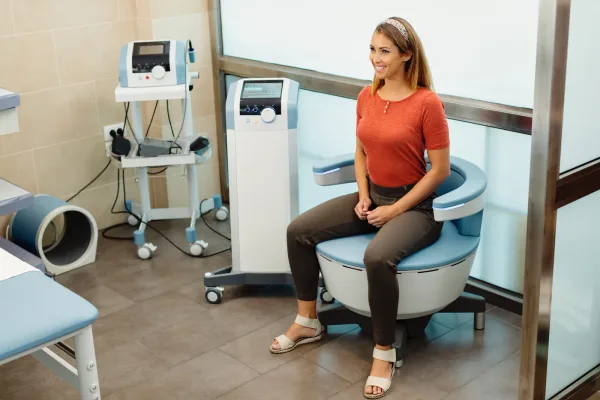
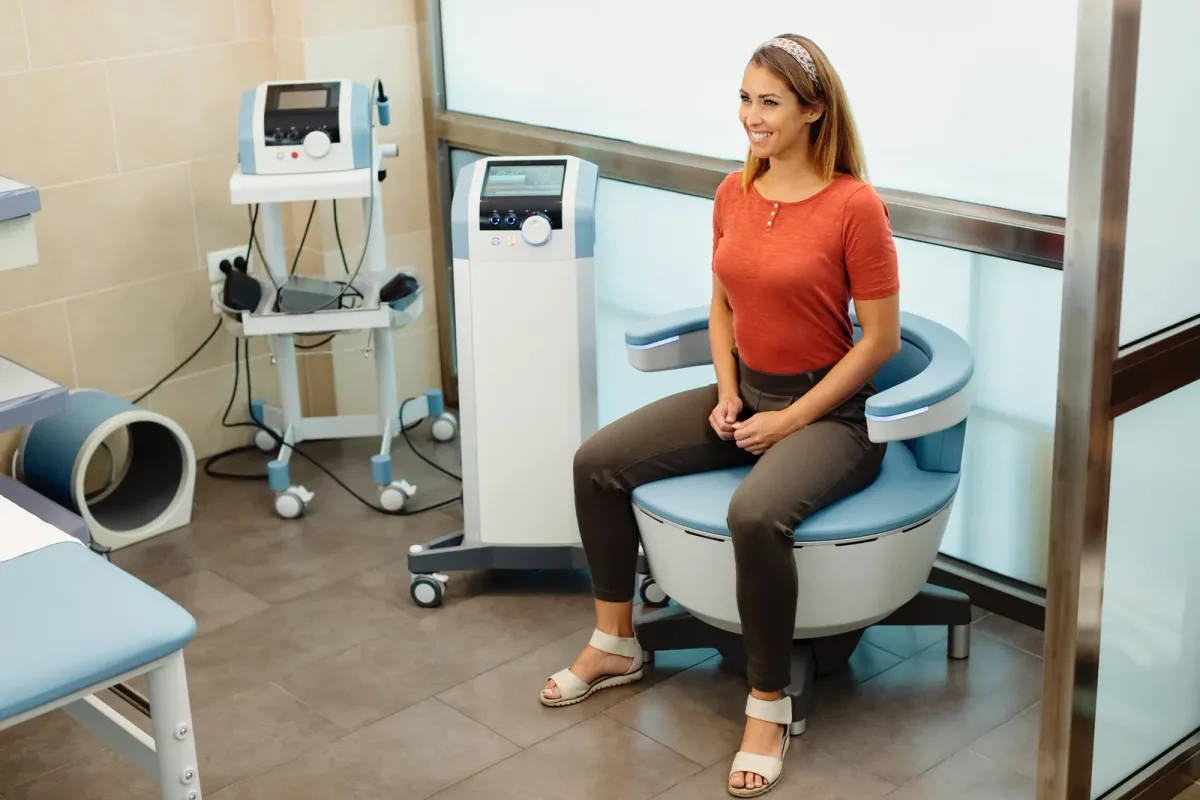
Pages you need: how TMS works, with a short video of the room and the chair; TMS vs ECT, written kindly; TMS vs ketamine, written fairly; a depression page and an OCD page, separate; an insurance and cost page that explains the medication-trial requirement and the authorization wait in plain words, plus a private-pay option; a “what a course looks like” page with the daily schedule; provider bios with credentials; and a page for referring clinicians with a fax number, a referral form, and what you send back.
Proof that matters: reviews from patients who finished a course, provider credentials, the device brand you use (NeuroStar, BrainsWay, and MagVenture are the names patients see when they research), years offering TMS, and a clear statement that outcomes vary and nothing is guaranteed. That last line is not just compliance; it builds trust with a patient who has been promised results before.
The form should be short and private: name, phone, email, insurance carrier, and “have you tried two or more medications.” Host it on a HIPAA-appropriate platform in the US and follow PIPEDA or your province's health privacy law in Canada. Send an instant reply that a coordinator will call within one business day, then make that true.
Google Ads and local SEO for TMS
Run two campaigns. The first bids on people who know the name: “tms therapy near me,” “tms for depression near me,” “tms clinic [city],” “tms for ocd,” “does insurance cover tms.” These convert fast. The second bids on people who don't: “treatment resistant depression options,” “medication not working for depression,” “depression treatment without medication,” “alternatives to antidepressants.” These cost less per click and need the education page, not the booking page.
Leave out “ect,” “electroshock,” “ketamine” (unless you offer it), “tms machine for sale,” “tms training,” and “tms jobs.” Leave out “tms cost” only if you cannot answer it on the page; better to answer it.
Google's healthcare and medicines policy applies. TMS is not a prescription drug, so you do not need the pharmacy certification that drug advertisers need, but you cannot make outcome claims, cannot use before-and-after style promises, and should not target ads based on a person's health condition. Write ads about the treatment and the clinic, not about the reader's depression.
Local SEO: your Google Business Profile should use a mental health or psychiatry category, list TMS for depression and TMS for OCD as services, and carry photos of the treatment room, the chair, and the team. A patient wants to see a calm, ordinary room. Ask finished patients for reviews and reply to every one with care and without confirming anyone was a patient. Build a page for each city you draw from, because patients will drive for a treatment their local clinic doesn't offer, and a page for each condition.
The national chains outrank small clinics on brand terms. You beat them on the condition and city pages, on the ECT and ketamine comparison pages, and on reviews that name a real person at your clinic.
Follow-up during authorization, reminders during the course, reviews after
The gap between the consult request and session one is where clinics lose the most patients, and it is mostly waiting on the insurer. Fill the gap. Day zero: a text and email confirming you got the request. Day one: a coordinator call. Day two: a checklist of what you need from them (medication history, prior provider notes) with a simple upload link. Weekly during authorization: a short update, even if the update is “still waiting, here's what we've done.” When approved: a call to book mapping, then a text confirmation. Patients who hear nothing for three weeks assume it fell through and give up.
During the course: a text the evening before each session, a text the morning of, and an easy reply to reschedule. After a missed session, a call from a person that day, not a form email. Halfway through, a check-in note from the provider. At the end, a completion note with what maintenance looks like.
For referring prescribers: a same-week letter confirming the patient was seen, a mid-course update, and an end-of-course summary. That is what keeps referrals coming.
Ask for a Google review in the last week of the course, once, by text, from the coordinator the patient knows. Say plainly that it is optional and that they should share only what they are comfortable sharing. A review from someone who finished treatment is the proof a first-time caller reads three times.
What to measure and a good first 90 days
Measure consult requests, consults completed, authorizations approved, courses started, and courses completed. Cost per course started is the number that matters, and it should be tracked by channel and by campaign type (name-aware searches versus symptom searches). Watch session adherence weekly: sessions scheduled versus sessions attended. Watch the authorization drop-off rate monthly. If half of approved patients never book mapping, the fix is a phone call, not an ad.
A good first 90 days. Month one: the site launches with the education, ECT, insurance, and condition pages; the profile is complete; ads run on the name-aware terms with tight negatives; reminders and the authorization sequence go live. Consult requests begin in the first weeks. Month two: the symptom-search campaign starts sending people to the education page, the referring clinician page goes out to local prescribers with a letter, and the first courses from ad leads begin as authorizations clear. Month three: the first courses complete, the first reviews arrive from finished patients, the city and condition pages start to rank, and you can see cost per course started by campaign well enough to shift budget. Because authorization takes weeks, judge the quarter on courses started and consults completed, not only on completions.
SearchPod runs this for clinics at public prices. The Google Ads fee is 10% of the budget, with a $600 monthly floor and zero markup. SEO costs $50 per page with a ten-page minimum. A website is a one-time package from $1,500 to $20,000+. Setup is free, the plan is month to month, and there is a 30-day guarantee: not happy in the first 30 days, you don't pay. A free proposal takes one business day.