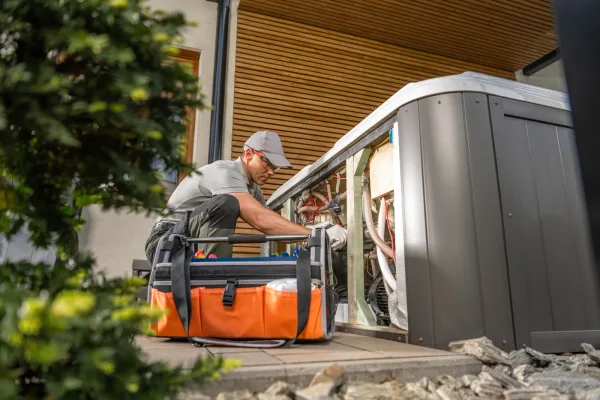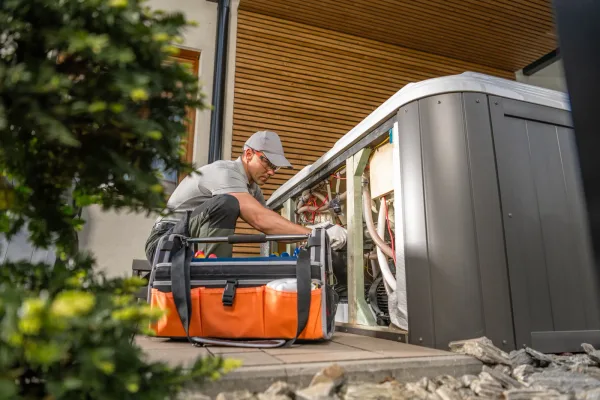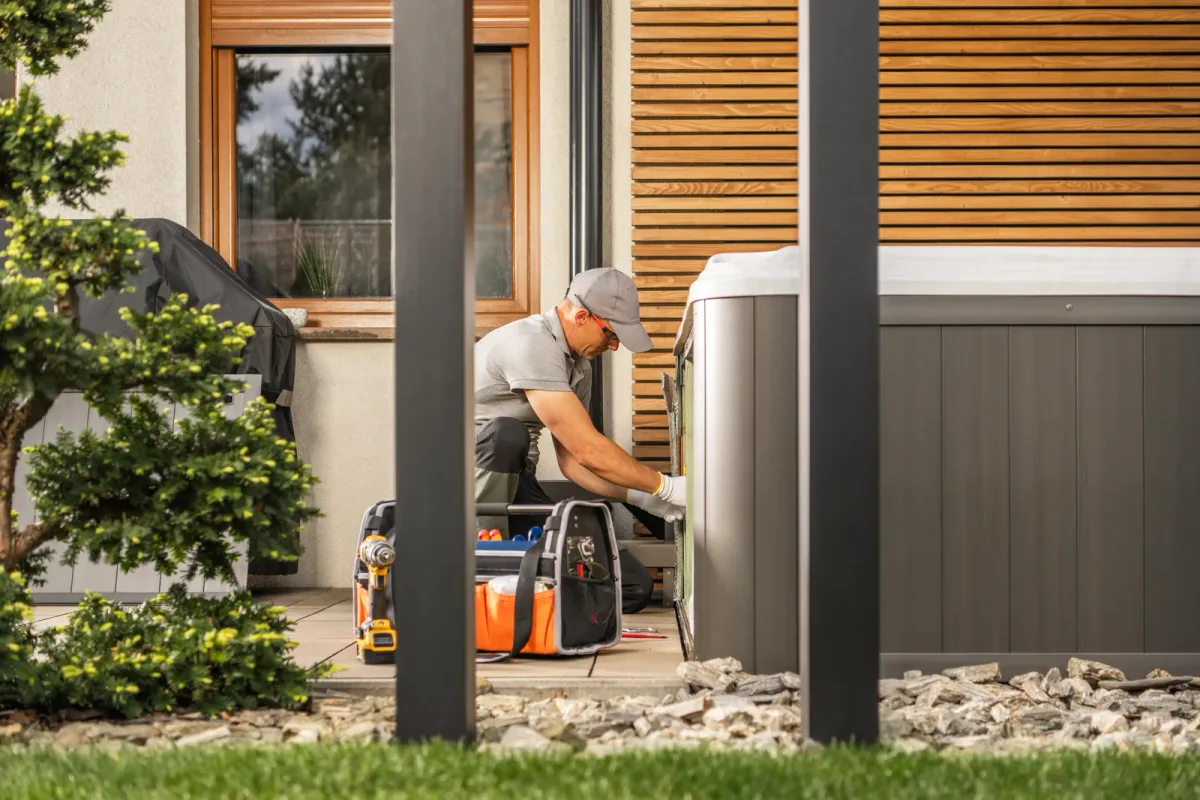
How to choose a generator installation marketing agency that stays visible year round and treats yours as the multi-week sale it actually is.
Why a generalist agency misjudges a generator installation business
A generalist home services agency treats generator dealers like an electrician: a site, some ads, a same-day service call funnel. That's the wrong shape for this business entirely. The sale here is consultative and high-ticket, closer to solar than to a same-day repair, a site visit and load calculation, a fuel-source decision between propane and natural gas, permitting and often HOA sign-off, then a multi-week install before the unit ever runs. An agency built for quick-decision trades will rush a sales process that actually needs weeks.
The second thing a generalist misses is authorized-dealer status. Homeowners specifically search for "Generac authorized dealer near me" or "Kohler certified installer," because that credential is a real trust signal in a purchase this size, and generic "electrician" or "contractor" marketing undersells it badly. If your site doesn't lead with that certification, you're competing on the wrong terms entirely.
Third, demand here is storm-driven and genuinely seasonal in a way most trades aren't. A blackout, hurricane watch, or ice storm sends search volume spiking for a single week, then it goes quiet for months. A generalist campaign with a flat, identical budget every week either wastes money in the quiet months or gets outbid during the exact week demand peaks, missing the surge entirely.
The first qualifying question: do they understand this is a consultative, not same-day, sale?
Ask any agency directly how they'd structure a campaign for a purchase that takes weeks to close, not a same-day emergency call. A strong answer talks about nurturing a quote through a load calculation, a fuel-source decision, and permitting delays, with follow-up email keeping your proposal and financing options visible while the homeowner deliberates. If they only talk about booking the first call, they're missing the entire back half of your sales cycle.
A second test: ask how they'd position your authorized-dealer status specifically. A specialist should describe building that credential into your ads and landing pages as a primary trust signal, not a small badge in the footer, since homeowners actively search for certified installers by brand name.
A third question worth asking: how would they handle the storm-surge weeks when your phone floods, versus the quiet months in between? A good answer describes keeping ads and rankings live year-round so you're already visible before the next storm, rather than scrambling to turn campaigns on once search volume has already spiked and gotten expensive.
Which channels actually produce signed generator installs, and in what order
Google Ads and Local Services Ads reach homeowners the moment a storm watch or an outage has them ready to buy, on searches like "generator installation near me" and "whole house generator cost." Because this category floods with volume right after an outage, call tracking and quote-request handling need to hold up under a sudden surge, not just under normal daily traffic.
Local SEO and Google Business Profile work put you in front of homeowners before the power even goes out, ranking for your authorized-dealer status and "generator installer near me" in every town you serve, at no cost per click. This is the channel that actually protects you during the quiet months between storms, when paid alone would otherwise go dark.
AI search visibility matters here too, since a homeowner increasingly asks an AI assistant who installs a standby generator nearby. Reviews carry real weight for a purchase most families only make once, so a steady stream of fresh, specific reviews closes a gap that price alone can't. Email follow-up is where quotes actually get signed, since a whole-home generator is a decision most families sit on for weeks, and the dealer that stays visible in the inbox usually wins the signature.
One more piece worth naming directly: HOA sign-off and local permitting can add real weeks to a project timeline that a homeowner doesn't expect going in, and a family that hits that delay unprepared sometimes assumes something went wrong with the sale, even when everything is proceeding normally. A specialist agency builds plain-language explanation of the permitting and HOA step into the quote-follow-up sequence itself, so a homeowner reads a multi-week gap as the expected process rather than a stall. That single piece of expectation-setting content can be the difference between a family who stays patient through the permitting wait and one who cancels a signed quote out of frustration with a delay nobody warned them about. A generalist home services agency, used to trades that close in a single visit, typically has no reason to have ever thought about this at all.
Storm surges, load calculations, and the real numbers to ask about
This business runs on a genuinely spiky calendar: a blackout, hurricane watch, or ice storm sends search volume up sharply for about a week, then it goes quiet for months. An agency that plans your budget around that pattern, ramping ahead of storm season and staying visible in between, is working with the actual shape of your demand instead of ignoring it.
Describe the sale in plain terms rather than invented statistics: this is a multi-thousand-dollar, first-time purchase for most homeowners, closer in size and consideration time to a solar install than to a same-day repair, and it moves through a site visit, a load calculation, a fuel-source decision, and often HOA or permitting steps before an install date is even set. Annual maintenance contracts, oil changes, battery checks, load-bank tests, are real recurring revenue most dealers under-sell once the install truck leaves.
The number worth asking about is cost per signed install, not just cost per quote request, since a quote that goes cold after two weeks of silence never becomes revenue. Ask any agency how they'd track that gap, and how they'd measure whether maintenance-plan renewal reminders are actually converting into paid service contracts.
Red flags, and the ownership questions that protect your business
A clear warning sign is an agency with no plan for the weeks between a quote and a signature. If they can't describe follow-up email that keeps your financing options and dealer credentials visible while a family deliberates, they're only solving the easy half of your funnel.
Ownership matters here as much as anywhere. Your website, ad accounts, and customer list should belong to your business from day one, with nothing built on a platform you can't take with you if you leave. Ask directly whether leads and quotes can route into the CRM or quoting software you already use, tagged with the campaign that produced them.
Watch for guaranteed quote-volume promises, since storm-driven demand genuinely fluctuates and no honest agency can promise a fixed number of requests in a slow, dry month. Watch too for reporting you can't verify inside your own accounts, and for a vendor treating every generator dealer identically regardless of whether you're an authorized Generac or Kohler dealer or an independent installer, since that credential genuinely changes how the marketing should be positioned.
Six questions worth asking every generator installation marketing agency
Once you've got a short list, run each agency through the same six questions and compare the specifics, not the pitch.
One, how would you structure a campaign around a multi-week, consultative sale instead of a same-day service call? Two, how would you feature my authorized-dealer status as a primary trust signal, not a footer badge? Three, how would you keep my ads and rankings live year-round so I'm visible before the next storm, not scrambling after? Four, how do you plan to track cost per signed install, not just cost per quote request? Five, do I keep full ownership of my website, ad accounts, and customer list? Six, can leads and quotes route into the CRM or quoting software my team already uses?
It's fair to say plainly that SearchPod is one agency worth putting through these same six questions. Pricing is public: Google Ads management is 10% of your ad budget with a $600 monthly minimum and no markup on spend, SEO runs $50 per page starting at 10 pages a month, and custom websites run $1,500 to $20,000 or more. Everything is month to month with a 30-day guarantee, and a free proposal arrives within one business day at /get-proposal. Whoever you choose, hold them to the same standard.