How a vein clinic should choose an agency: the coverage question to ask first, covered versus cosmetic tracking, shorts season, and six questions before signing.
Why a generalist gets a vein clinic wrong from the first page
A general agency looks at a vein clinic and sees a med spa. That mistake shows up on the homepage: smooth legs, a summer photo, a price for spider vein sessions. It quietly turns away the patient who matters most. Vein care is its own specialty, run by vascular surgeons and phlebologists, and a large share of the work is medically necessary. Varicose veins that cause pain, swelling, heaviness, or restless legs are often covered by insurance once the problem is documented, usually with a duplex ultrasound and a period of conservative care like compression stockings.
Here is the pattern every vein specialist knows: many patients who would qualify for covered treatment never call, because they assume “vein clinic” means cosmetic and out of pocket. That is a message gap, not a demand gap. An agency that only writes for the cosmetic patient makes the gap wider. An agency that knows the niche builds two paths on the site: one for the person with aching legs who needs to hear “this may be covered,” and one for the person who wants clear skin before summer and expects to pay.
The generalist also misses the rules. Ads for a medical clinic fall under Google's Healthcare and medicines policy. In the US, patient forms and tracking touch HIPAA. In Canada, PIPEDA and provincial health privacy laws such as Ontario's PHIPA apply. Whether coverage comes from a private insurer, a US plan, or a provincial program varies by province or state, so the copy has to say “may be covered” and point to a coverage check, not promise anything.
The first question: how will they talk about coverage?
Ask any candidate: “How would you write a landing page for a patient with leg pain who thinks we only do cosmetic work?” This is the make-or-break skill for a vein clinic. The right answer talks about symptoms in plain words, explains that treatment for symptomatic varicose veins is often covered, describes the ultrasound and conservative-care steps an insurer wants first, and offers a free insurance check as the call to action.
The wrong answer leads with before-and-after photos and a price. That page works for spider veins and fails for everyone else. Then ask how they separate the two sides in ads and tracking. Covered treatment and cosmetic sclerotherapy should have their own campaigns, their own pages, and their own cost per booked consult, because the patients, the search phrases, and the value are all different.
One more test: ask what they know about the treatments. Endovenous ablation, sclerotherapy, and the difference between a varicose vein and a spider vein are basic vocabulary. An agency that cannot use those words will not write pages that a patient or a search engine trusts.
The channels that book vein consults, in the order that works
Google Ads books the fastest. The searches are specific: “varicose vein treatment near me,” “does insurance cover varicose vein treatment,” “sclerotherapy near me,” “restless legs vein doctor near me,” and “vein specialist [your city].” The cost question phrases and the insurance question phrases are the clues that a patient is deciding now.
Local SEO and your Google Business Profile are the steady source. Most patients search “vein clinic near me” or “vein doctor near me” and pick from the map pack. Correct categories, treatment pages for each procedure, neighborhood pages, and a stream of fresh reviews decide who shows up there. AI assistants now answer “does insurance usually cover varicose vein treatment?” and “recommend a top-rated vein clinic in [city],” so pages written to answer those questions clearly also get you named by Gemini, ChatGPT, and Google's AI Overviews.
Reviews carry extra weight because a patient is choosing who will treat their legs, not who will mow the lawn. Email and text follow-up close the gap between a consult request and a booked visit, remind patients about follow-up treatment, and nudge past patients before the spring rush. Referrals from primary care doctors and dermatologists still matter, but you cannot turn a referral network up when the calendar is thin; a marketing system you own is the lever.
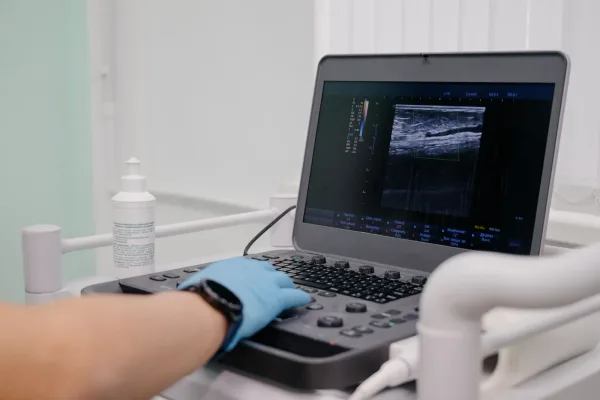
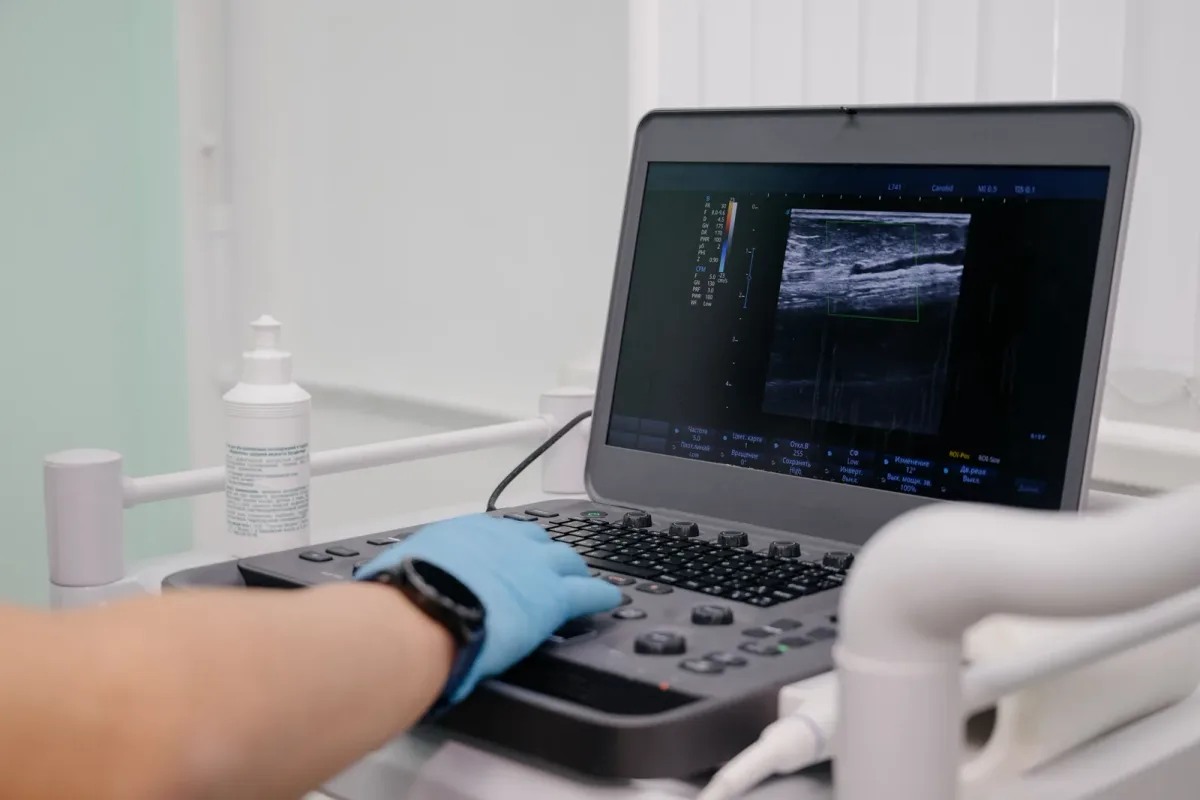
Two details separate a good vein page from a generic one. First, a symptom checklist, aching, heaviness, swelling, night cramps, restless legs, that lets the patient recognize themselves. Second, a plain explanation of what a consult involves, including the ultrasound, so the patient is not scared off by the idea of surgery when modern treatments are office-based and quick.
Shorts season, the slow months, and what a consult is worth
Cosmetic interest follows bare legs. Spider vein searches climb in spring and early summer and drop when the weather turns. Medically necessary inquiries run steadier all year, because leg pain does not check the calendar. A clinic that only wins the cosmetic search rides a spike-and-crash year. The plan should build covered-treatment visibility through fall and winter so the calendar has a floor, then add cosmetic budget as spring arrives. A clinic in a cold province or state sees a sharper cosmetic spike than one in a warm one, so ask the agency to look at your own booking history before setting the calendar.
Value is different on each side. A cosmetic patient pays out of pocket for a session or a few sessions. A patient with symptomatic varicose veins may need ultrasound mapping, a procedure per leg, and follow-up visits, often billed to insurance, which makes one covered patient worth more than several cosmetic ones. The number to demand from an agency is cost per booked consult on each side, and then cost per treated patient, not cost per click.
Ask what tracking goes in before spending: call tracking, form tracking, and booking tracking tied to the campaign and the treatment type. Without it, the cosmetic side will look cheap and the covered side will look expensive, and you will cut the wrong one.
Red flags and the ownership questions to settle up front
Do you own the website and domain? The Google Ads account? The Google Business Profile? Every patient form that was ever submitted? If the site lives on the agency's platform, or the ads run from an account you cannot log into, leaving means starting over. In healthcare that also means your patient data has been sitting with a vendor you cannot audit.
Other warning signs: promises of a specific ranking or consult count; ad copy that promises a result from treatment; one campaign that lumps cosmetic and covered patients together; reporting that shows leads but never cost per booked consult by treatment type. Any of these means the agency does not understand the two-patient shape of your clinic. Also ask whether before-and-after photos and patient stories will be used only with written consent; in a medical practice, that is your responsibility, not the vendor's.
Ask how they handle privacy on forms and tracking pixels, in whichever province or state you practice. Ask for month-to-month terms. A team that expects to keep you on results will not need a long contract to do it.
Six questions to ask a vein clinic marketing agency
One: “Write me the headline for a patient with aching legs who thinks we are cosmetic only.” Two: “How do you separate covered and cosmetic treatment in ads, pages, and reporting?” Three: “What tracking do you install before spending, and will I see cost per booked consult?” Four: “How do you keep the calendar full in the months when nobody is thinking about shorts?” Five: “Who owns the site, ad account, Business Profile, and patient data if we part ways?” Six: “How do you get our clinic named when someone asks an AI assistant about vein treatment?”
Put the answers next to each other. The agency that talks about ultrasound, coverage checks, and two funnels is the one that has done this before.
SearchPod is one team that handles all of it for vein clinics, the site, the ads, local and AI search, email, and reviews, with covered and cosmetic tracked apart. Pricing is public: the Google Ads fee is 10% of the budget or $600 a month, whichever is higher, and spend is passed through with no markup; SEO is priced per page at $50, from 10 pages monthly; a website is a one-time package, $1,500 to $20,000+ depending on size; no setup charge; month to month; and if the first 30 days don't satisfy you, you don't pay for them. Ask for a free proposal at /get-proposal; a reply comes within one business day.