Why a vein clinic has two patients, not one: closing the insurance education gap, winning both symptomatic and cosmetic searches, and smoothing the seasonal swing.
Two very different patients walk through the same door
A vein clinic's buying trigger splits two ways, and if your marketing treats it as one thing, you lose half your patients before they ever call. One patient has pain, swelling, heaviness, or restless legs from varicose veins, symptoms serious enough that a doctor's note usually gets the treatment covered by insurance. The other patient is bothered by the look of spider veins on their legs and pays for treatment out of pocket, often with spring or summer in mind. Both patients search using overlapping words like vein clinic near me, but they want different answers.
The decision maker is the patient in both cases, sometimes after a passing comment from a primary care doctor, but a real number of people who would qualify for covered treatment never call at all. That's not because the demand isn't there. It's because they hear "vein clinic" and assume it means cosmetic, out of pocket work they can't justify. Closing that gap with plain language on your site is one of the highest value things a vein practice can do, since it turns an assumption into a phone call.
Phlebology is its own recognized specialty, distinct from a general med spa or dermatology practice, and your marketing should read that way. A patient searching for real vein pain wants to know a vascular specialist is treating them, not that they're booking a spa service with a fancier name.
From a search or a symptom to a booked consult
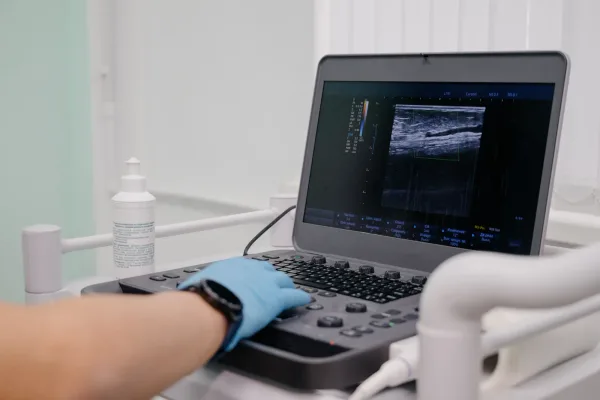
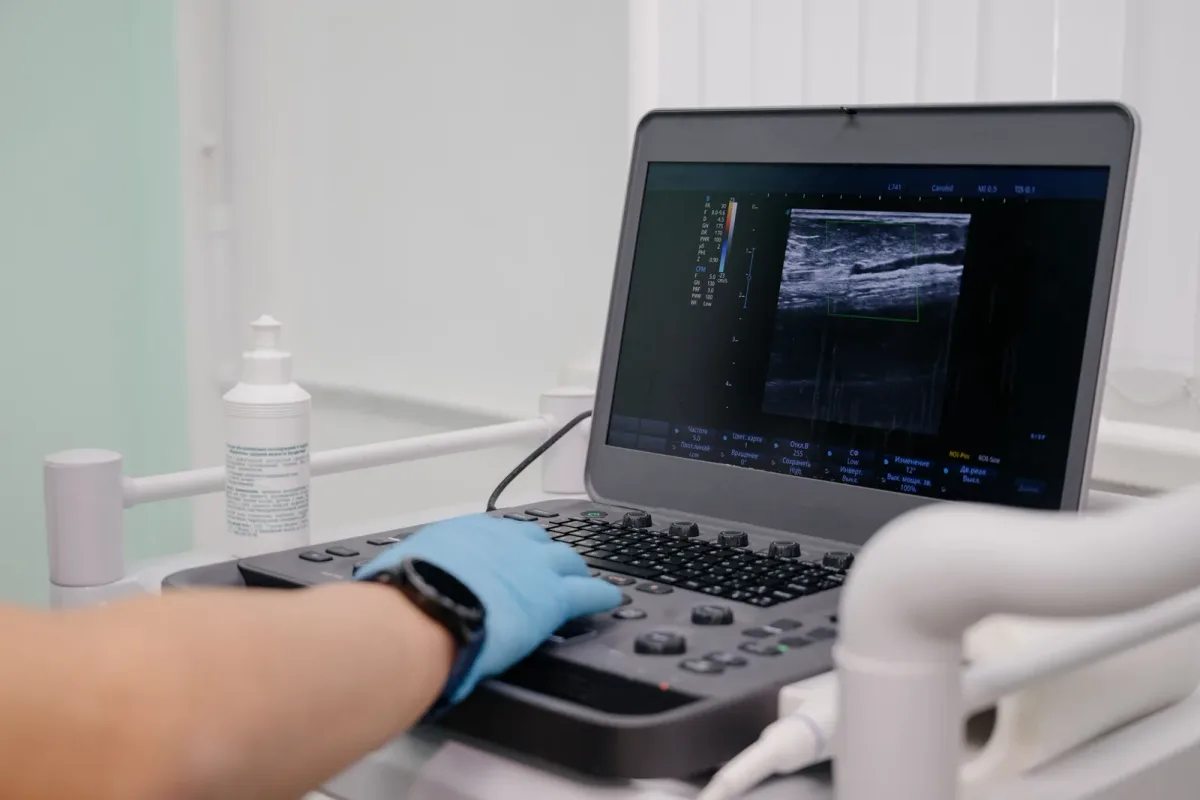
The funnel starts with either a symptom search, like leg pain and swelling doctor near me, or a cosmetic search, like spider vein removal near me. Both lead to the same first contact: a call or an online form to book a consult. From there, most clinics run a diagnostic ultrasound to see what's actually happening under the skin, since varicose veins can look mild on the surface and still need real treatment underneath.
That ultrasound visit is where the two tracks can actually merge. A patient who came in worried about how their legs look might learn they have a covered, medically necessary issue as well. A patient who came in with pain might also want a cosmetic touch up once the medical issue is resolved. Building a plan that's honest about both, instead of pushing whichever service is more profitable, is what earns the trust that keeps a patient coming back for maintenance visits or bringing in a parent or partner.
Repeat business here looks different than a one time procedure. Vein treatment sometimes needs more than one session, and the relationship often continues for years, since veins can develop again over time. Referral from a happy patient, especially a family member who saw the same symptoms get resolved, is a real and steady channel worth asking for directly.
The website that explains both sides plainly
Your website's first job is closing the education gap from the first section. A homepage or service page that spells out, in plain words, that varicose vein treatment for pain and swelling is often covered by insurance once documented, while cosmetic spider vein treatment is usually self pay, answers the question a hesitant patient is too unsure to ask on the phone. Without that page, they assume the worst and don't call.
Beyond that explanation, the site needs a clear next step: booking a consult, not a phone number buried in the footer. Honest descriptions of what a consult and an ultrasound actually involve help nervous patients know what to expect, since most people have never had either. Avoid vague before and after claims or invented statistics about results. Describe what the treatment does and let real, current reviews carry the trust.
A practice running both an insurance based and a cosmetic side should give each its own clear section rather than blending them into one generic "vein services" page. A patient in pain and a patient worried about how their legs look are reading for different reassurance, and a page that speaks to both at once usually speaks well to neither.
Google Ads and local SEO for both tracks
Real search phrases in this niche split the same way the patients do: varicose vein treatment near me and leg pain and swelling doctor near me sit next to spider vein removal near me and laser vein treatment near me, sometimes typed by the same person a season apart. Campaigns and content need to speak to each phrase directly instead of one blended "vein treatment" page trying to rank for everything.
A frequent, specific search worth building a page around is does insurance cover varicose vein treatment. Answering that clearly, without promising a guaranteed outcome, turns a hesitant searcher into a caller. Google's healthcare advertising rules apply here as they do to any medical practice, so ad copy and landing pages need to stay factual and avoid guaranteed results language.
Your Google Business Profile should list both symptomatic and cosmetic vein treatment as services with real photos of your clinic and equipment, since that listing decides who shows up in the map pack for near me searches either patient might run. Local SEO content built around both search patterns, not just the higher volume cosmetic side, protects you from the spring and summer spike and crash a cosmetic only strategy rides.
A growing number of patients now ask an AI assistant a version of the same question directly, something like who's the best vein doctor near me for varicose veins, or does insurance usually cover varicose vein treatment. The pages, reviews, and clear explanations you build for search also become the material those assistants draw from when they name a clinic back to the person asking. Treating AI search as a third place to be found, alongside Google's map pack and organic results, is quickly becoming part of local visibility rather than a separate project.
Follow-up, email, and reviews on two different calendars
Because the two patient types run on different calendars, your follow-up should too. Medically necessary inquiries run steady year round, so email and text reminders about check-ins, follow-up ultrasounds, and insurance paperwork should run on a normal, unhurried cadence. Cosmetic inquiries cluster as spring approaches, so a seasonal nudge timed a few months ahead of bare-leg season, when people are already thinking about it, converts better than a random email in November.
Reviews carry real weight for a practice like this, since most patients read them before choosing any healthcare provider, and a vein specific comment about pain relief or confidence in shorts again does more than a generic five star rating. Ask for a review after a completed treatment plan, not the first visit, so the request reflects a real result the patient actually experienced.
A short nurture sequence for patients who booked a consult but haven't scheduled treatment yet is worth building separately, since vein treatment decisions, especially cosmetic ones, often get put off for months. A gentle, occasional reminder that doesn't feel like pressure keeps your clinic top of mind when they're finally ready.
What to measure, and a good first 90 days
Track consults booked by track, medical versus cosmetic, since blending them hides which side of your practice is actually growing. From there, watch consult to treatment conversion and cost per booked consult for each track separately, because a cosmetic lead and a symptomatic lead can cost very different amounts to generate and convert at different rates.
A good first 90 days closes the education gap on your site, gets both tracks showing up for their own real search phrases, and puts a review request habit in place tied to completed treatment, not a first visit. Because the cosmetic side is seasonal, judge early results by whether both tracks are generating steady inquiries, not just by total volume, which can look strong in spring and quiet in fall for reasons that have nothing to do with your marketing.
SearchPod builds vein clinic marketing as one system: a website that explains both tracks plainly, Google Ads and SEO built around the real searches patients type for pain and for appearance, AI search visibility, and follow-up and review timing that respects how differently those two patients decide. The Google Ads fee is 10% of spend, never under $600 monthly, and nothing is added to the media. Search content is $50 per page (ten-page minimum), while a site is a one-time build between $1,500 and $20,000+. No setup, no contract, a first-month guarantee, and a free plan inside one business day.