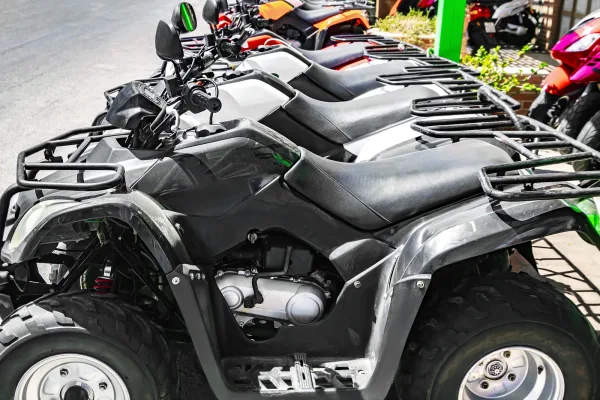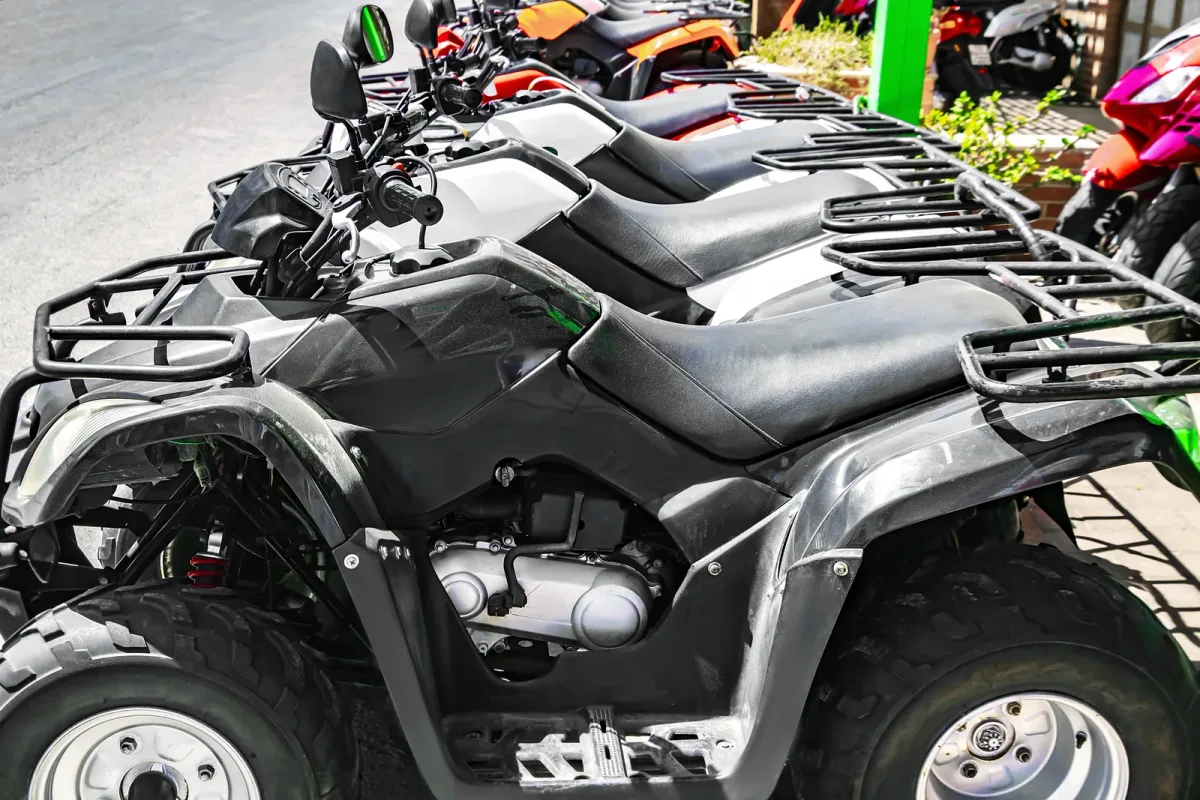
How a powersports dealership turns brand and model searches into booked test rides and service slots: two riding seasons, financing pre-qualification, and the numbers that matter.
Why one marketing calendar fails a two season dealership
A powersports dealership sells to two very different riders in the same building, and they don't show up in the same month. An ATV, UTV, or motorcycle shopper starts looking as the trails dry out in spring, cross shopping brands and models online for weeks before they ever call. A snowmobile shopper starts the same research the moment the first real snow forecast lands in the fall, and across Canada and the northern US that snow season carries just as much weight as the warm weather one. Treat both like one buyer on one calendar and you'll spend the summer chasing sled interest that doesn't exist yet, then miss the ATV rush because you're still running last season's ads.
The decision maker is usually the rider themselves, and they rarely start by searching for a dealership. They search for the exact unit: a Can-Am Maverick, a Yamaha YZ250F, a Ski-Doo Renegade. Financing and price matter, but so does trust, because an $8,000 to $30,000-plus purchase isn't something most people buy from the first name they see. They cross shop three or four dealers before they call one.
The channel competing for that rider's attention isn't only other dealerships. It's the brand's own dealer locator page, the trail club group where someone already recommended a shop, and word of mouth from other riders at the trailhead. A dealership with no online presence for a specific brand or model loses that search to the manufacturer's own locator before a local dealer ever gets a look. Marketing here has one job: put your dealership in front of the exact model search, for whichever season is live right now, and make the trust case before the rider ever walks in.
The funnel: from a model search to a trade-up three years later
The funnel starts with a search for a brand or model, not a dealership. Whoever answers that search with the right unit in stock and a clear next step usually gets the call, because a rider comparing four dealers isn't going to wait a week for a reply. First contact is often a form or a call asking if a specific trim is on the lot, and the fastest, most accurate answer wins the appointment.
A test ride is the real turning point for new unit sales. Riders who get on the machine convert at a different rate than riders who only browse a listing, so the site and the follow-up both need to push toward booking that ride, not just capturing an email address. Financing pre-qualification before the visit removes one more reason to walk away, since most riders want to know what they can afford before they commit an afternoon to a showroom.
Once the sale closes, the funnel doesn't end, it changes shape. Every unit needs service: tune-ups before the season starts, warranty work, tire and track swaps. Whatever system runs your service scheduling and customer records should tag each customer by product line, so a UTV owner and a snowmobile owner get reminders timed to their own season instead of one generic maintenance email. Riders who get serviced well and remembered well come back for their next unit, usually a step up from what they started with, which is where the real long-term value of a rider sits.
The website that turns a model search into a booked test ride
A dealership website that only says “we carry ATVs, UTVs, motorcycles, and snowmobiles” loses to a rider who searched for one specific trim and found a page built just for it. Real, current inventory, broken out by brand and unit type, is the baseline. A rider who lands on a page for the exact Can-Am or Ski-Doo model they searched is far more likely to stay than one who lands on a generic inventory list and has to hunt.
Financing pre-qualification on the site removes a real barrier. Most riders want to know roughly what they'll pay before they set foot in a showroom, and a simple online form that gives a fast answer keeps them moving instead of stalling to call three other lots for the same information. The same goes for booking: a way to reserve a specific unit for a test ride, or a specific bay slot for service, without waiting on a callback, matches how a rider expects to shop after comparing everything else online.
Proof matters here in a specific way. A purchase this size gets researched hard, so real reviews, honest photos of the actual lot instead of stock manufacturer images, and a clear answer to “do you have this in stock right now” do more to convert a visitor than a slogan on the homepage ever will. Split the site clearly by product line so a UTV shopper and a snowmobile shopper each land on pages built for them, not a folder they have to dig through.
Google Ads and local search, built by brand, unit type, and season
Riders searching to buy skip the generic search almost entirely. They type the brand and model: an ATV dealer near me, a UTV dealer near me, a specific make like a Ski-Doo dealer near me. Ads and pages built only around a generic dealership search miss most of that volume. The fix is running separate ad budgets and separate landing pages for each product line, so a spring push for ATVs and UTVs and a fall push for snowmobiles both peak on the right calendar instead of splitting one budget across two seasons that don't overlap.
Service searches follow a different pattern and need their own campaigns too: powersports service near me, motorcycle repair near me, snowmobile service near me. These run steady through the year with two clear spikes, pre-trail in spring and pre-snow in fall, and a dealership that only advertises new units leaves that service revenue for a competitor to pick up.
On the organic side, a tuned Google Business Profile and a dedicated page for every brand carried, not one page listing everything, is what wins the map pack for a specific search like a Kawasaki page or a Polaris page. There's no special ad policy that applies to powersports the way there is for regulated categories like healthcare, so the real work is precision: matching each ad, page, and keyword to the exact brand, unit type, and season a rider is searching in, instead of running one blended campaign all year.
Follow-up, reminders, and reviews that outlast the first sale
A missed call on a unit that costs several thousand dollars rarely gets a second try, it goes to the next dealer on the map. A fast text back within minutes of a missed call, and a quick answer to a form asking if a trim is in stock, keeps that rider talking to you instead of restarting the search somewhere else.
After the sale, the follow-up shifts to timing. A pre-trail tune-up reminder sent right as the snow melts, and a pre-snow reminder sent right as the forecast turns, catch riders exactly when they're already thinking about their unit, instead of guessing at a generic maintenance schedule. Gear and accessory offers, and trade-up messages aimed at a rider who's outgrown their entry-level ATV or standard sled, fit naturally into the same gaps between service visits.
Reviews carry real weight for a purchase this size, so the timing of the ask matters. A request sent right after delivery, or right after a service pickup while the experience is still fresh, produces far more honest, detailed reviews than one sent days later after the memory has faded. Those reviews then do double duty: they reassure the next rider comparing your lot against three others, and they're increasingly what an AI assistant repeats back when someone asks where to buy or service a unit nearby.
What to measure, and what a good first 90 days looks like
Tracking has to separate by product line from day one, or the numbers lie. A UTV lead and a motorcycle lead don't cost the same to win and don't convert at the same rate, so lumping them into one blended leads total hides which line is actually worth the spend. The numbers that matter are cost per booked test ride by unit type, cost per booked service slot, and, over time, cost per sold unit for each product line you carry.
A good first 90 days usually looks like this. Get the site splitting inventory by brand and unit type, and get ads live for whichever season is currently ramping, since that's the fastest path to booked test rides. In parallel, stand up call tracking and text back for missed calls, because a slow response on a big ticket unit is the easiest lead to lose. By month two or three, brand specific pages and Google Business Profile work should start showing up in the map pack for searches you weren't ranking for before, and the first round of tuned review requests should be landing after deliveries and service visits.
None of this works well split across five vendors who don't talk to each other. Running site, ads, SEO, AI search, and reviews as one connected system, not five separate reports, is what lets a spring ATV campaign and a fall snowmobile campaign both get built without starting from scratch. SearchPod runs that system for powersports dealers on public pricing: Google Ads management at 10 percent of ad budget with a $600 a month minimum and no markup on spend, SEO at $50 per page starting at 10 pages a month, and one time website packages from $1,500 to $20,000 and up. Setup is $0, it's month to month, there's a 30 day guarantee, and a free proposal arrives within one business day.