Branding
What is a visual identity system?
6 min read · Branding
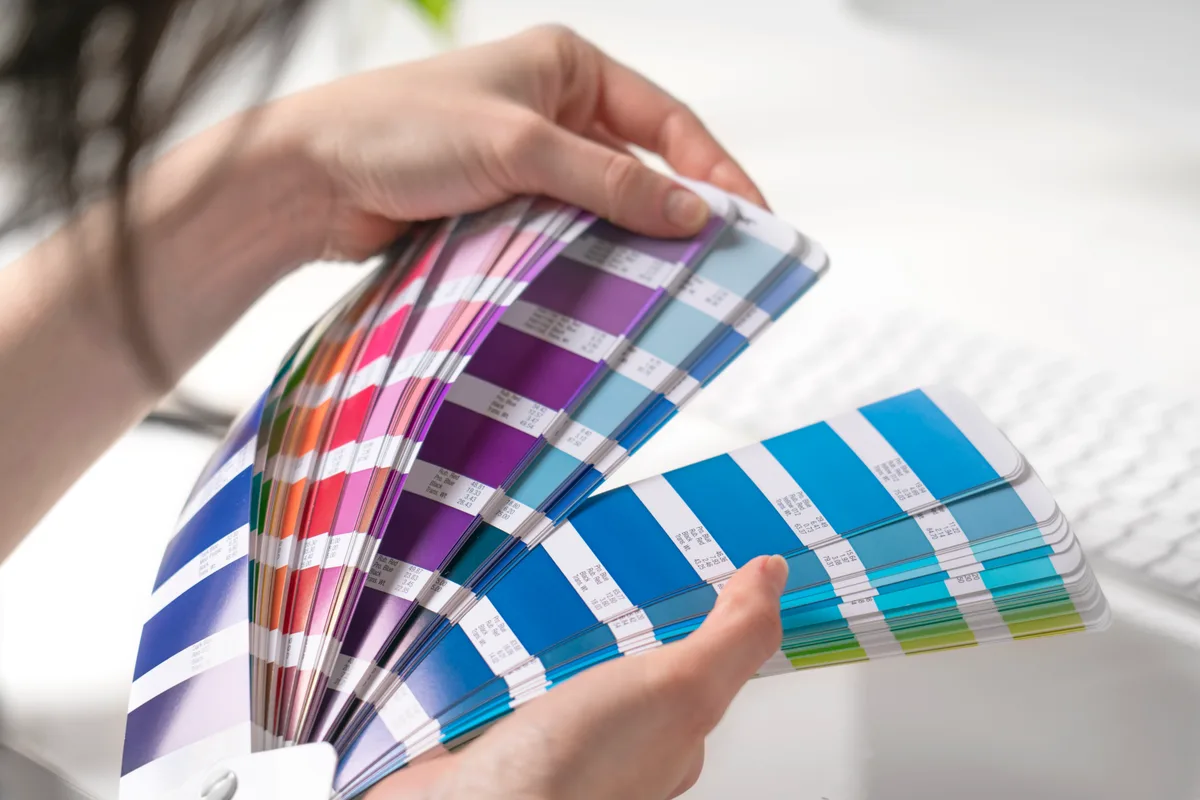
It’s more than a logo — it’s the colors, type, and layout rules that make everything look like you. Here’s how to build one that scales.
Identity Is More Than a Logo
A logo is one piece of a visual identity system. The system also includes: primary and secondary color palette, typography hierarchy, photography style, illustration style, icon system, spacing and grid systems, motion guidelines, layout templates. Brands with just a logo and a color get lost; brands with a full identity system stay recognizable across every touchpoint.
Logo Design Fundamentals
Great logos are: simple (memorable, scalable from favicon to billboard), appropriate (fits the industry and brand personality), distinctive (doesn’t look like competitors), versatile (works in one color, on dark/light backgrounds, at any size), timeless (doesn’t chase trends that age poorly). Deliver in SVG, PNG (multiple sizes), PDF. Include primary, monochrome, and simplified versions for small applications.
Color System
1–2 primary colors that define brand recognition. 3–5 secondary colors for variety and hierarchy. Neutral palette (5–8 shades of gray/off-white). Accent colors for notifications, errors, success states. All colors specified in HEX, RGB, HSL, and CMYK. Check WCAG contrast — body text needs 4.5:1 against backgrounds. Dark mode palette mandatory for digital products in 2026.
Typography System
One display typeface (headings) + one body typeface. Optional: mono for code, alt for quotes/callouts. Specify type scale: font sizes, weights, line heights, letter spacing for H1-H6, body, caption, label. Include web-safe fallbacks. If using a paid font, document where to buy licenses. Typography is 90% of visual identity perception — invest more here than on logo iteration.
Photography and Illustration Styles
Define the visual mood: lighting (bright/moody), grading (warm/cool/neutral), subject (people/products/abstract), composition (close/wide, centered/off-center). Include 10+ example images that match and 5 that don’t. If using illustration, define style: flat/dimensional, geometric/organic, monochrome/colorful. Random stock photos ruin more identities than bad logos do — be disciplined.
Documenting the System
Create a brand guidelines doc (Figma, Notion, or Frontify are popular tools). Include: overview of brand, voice and tone, logo usage, color, typography, photography, illustration, icons, layout principles, real-world examples, and FAQ for common scenarios. Make it easily accessible to every contractor, vendor, and employee who’ll represent the brand. Guidelines that live in a locked folder don’t protect a brand.
Need help with branding?
Get a free proposal for your branding setup. We’ll show you exactly where the opportunities are.
Get your free proposalOr explore Branding services and transparent pricing .